
The Part of the Mortgage Payment That Keeps Rising After You Buy
Insurance premiums up 46% since 2021 and property assessments catching up with pandemic-era price gains are pushing escrow payments higher for owners whose loan payment never changes.
Market snapshot · Aug. 12, 2026 close
The American FilingSection
Mortgages, housing supply and commercial property
Insurance premiums up 46% since 2021 and property assessments catching up with pandemic-era price gains are pushing escrow payments higher for owners whose loan payment never changes.

The value of the two companies is a secondary question. The one that determines borrowing costs is whether investors still believe the federal government stands behind the securities they issue.

Three years of unaffordable ownership have produced a large and growing population of high-income renters, reshaping what gets built and who owns it.
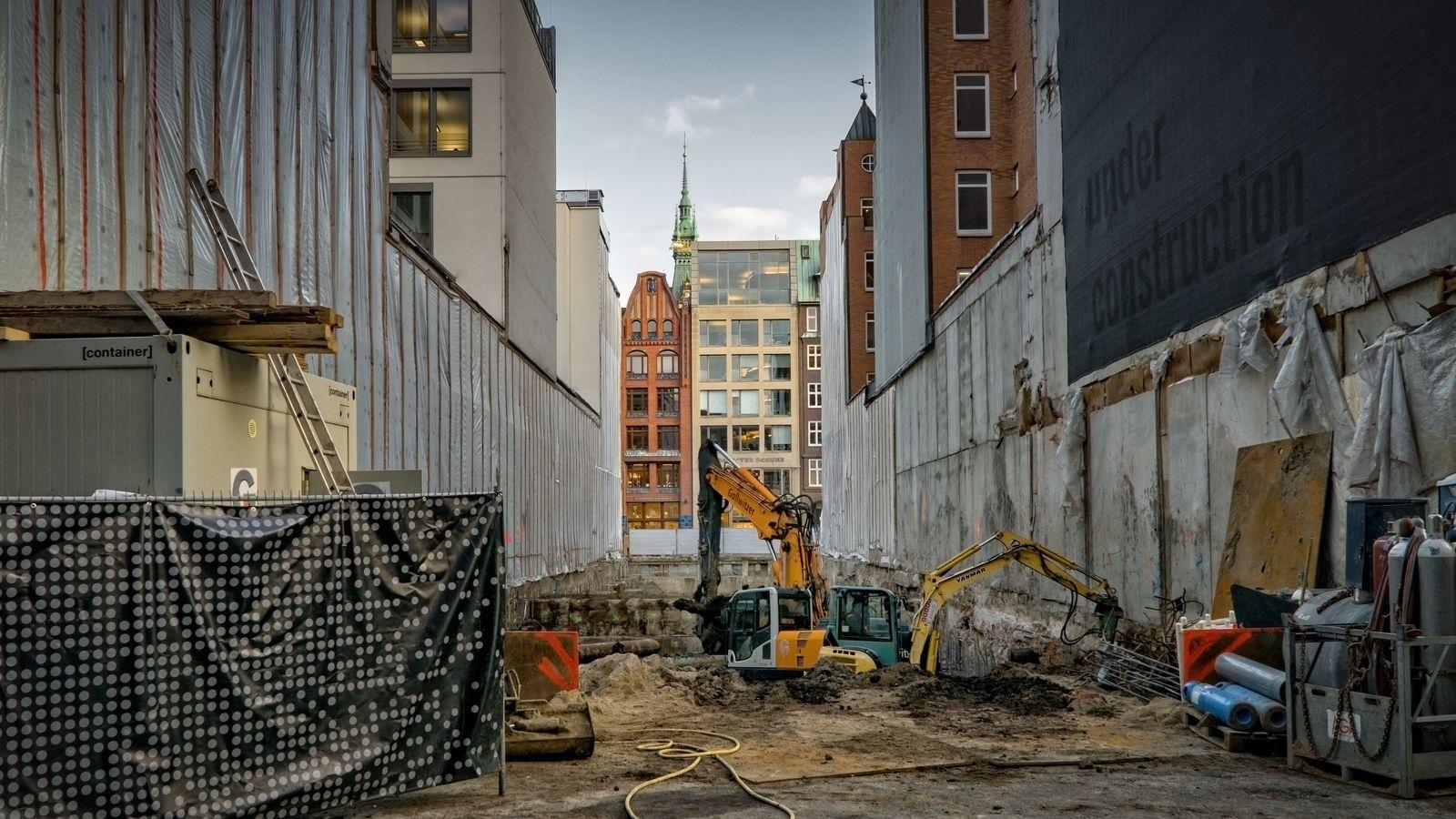
Construction began on homes at a 1.18 million annual rate in May, with multifamily starts collapsing 40% in a single month — a supply contraction that will be felt in rents two years from now.
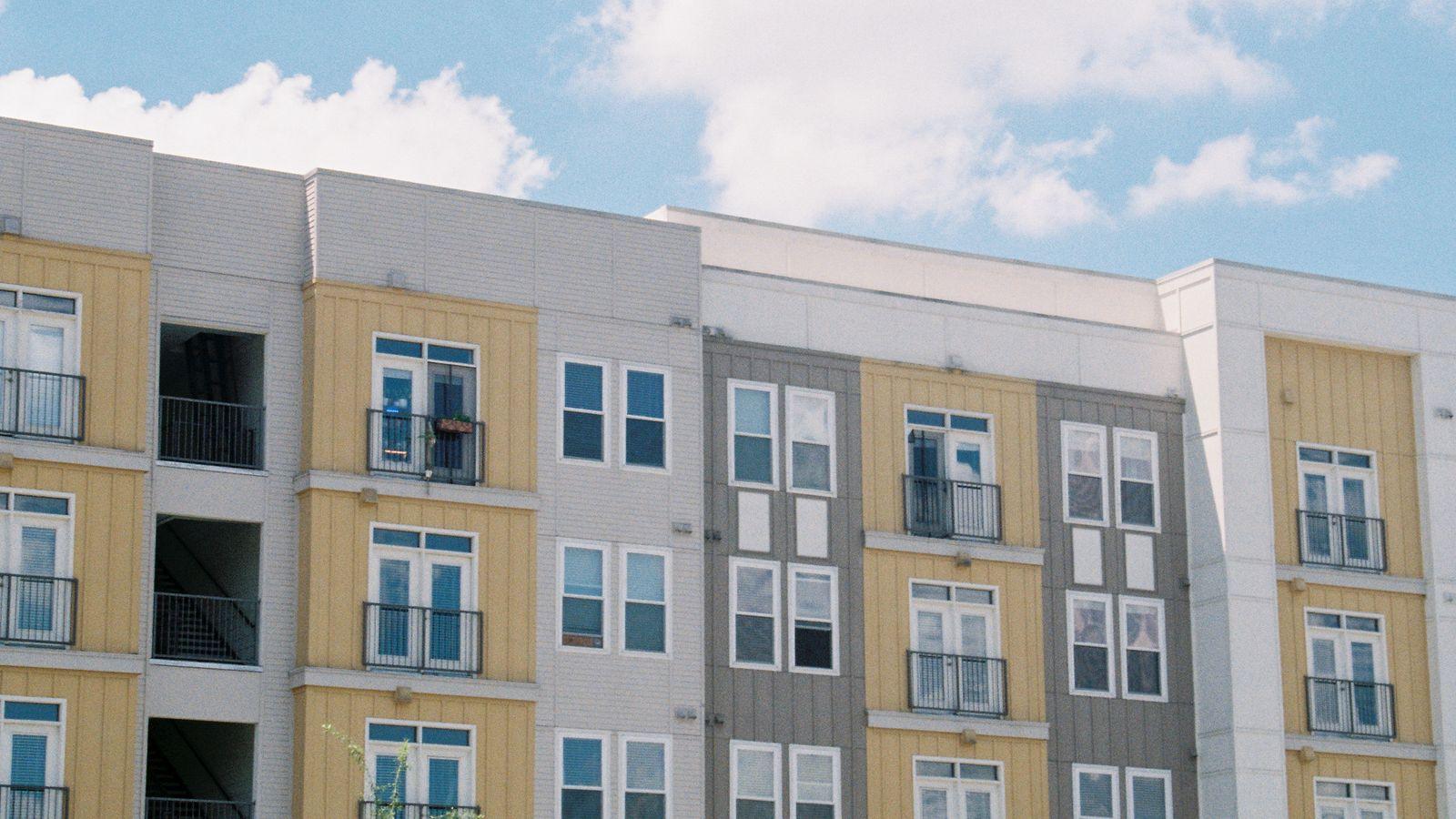
Conversion projects rose about 28% over the past year, led by New York with more than 16,000 units underway, as cities pair tax abatements with a permanent surplus of office space.
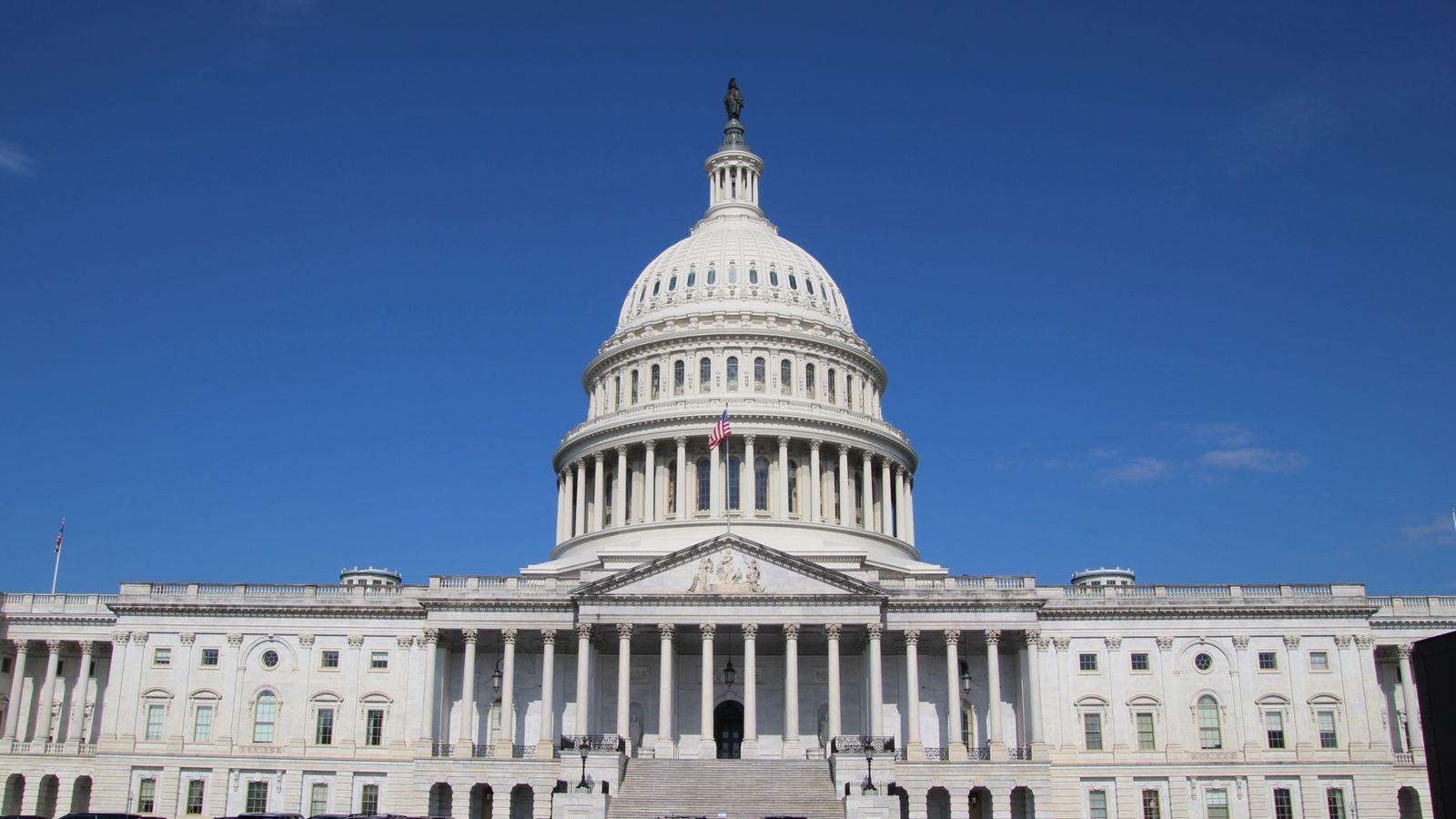
An offering that had been discussed at roughly $30 billion — which would be the largest in U.S. history — faces new uncertainty after the official leading it took on a second full-time government role.

With office delinquencies at records and data center space unobtainable, owners are studying conversions — but power capacity, floor loading and cooling defeat most candidates before the design phase.
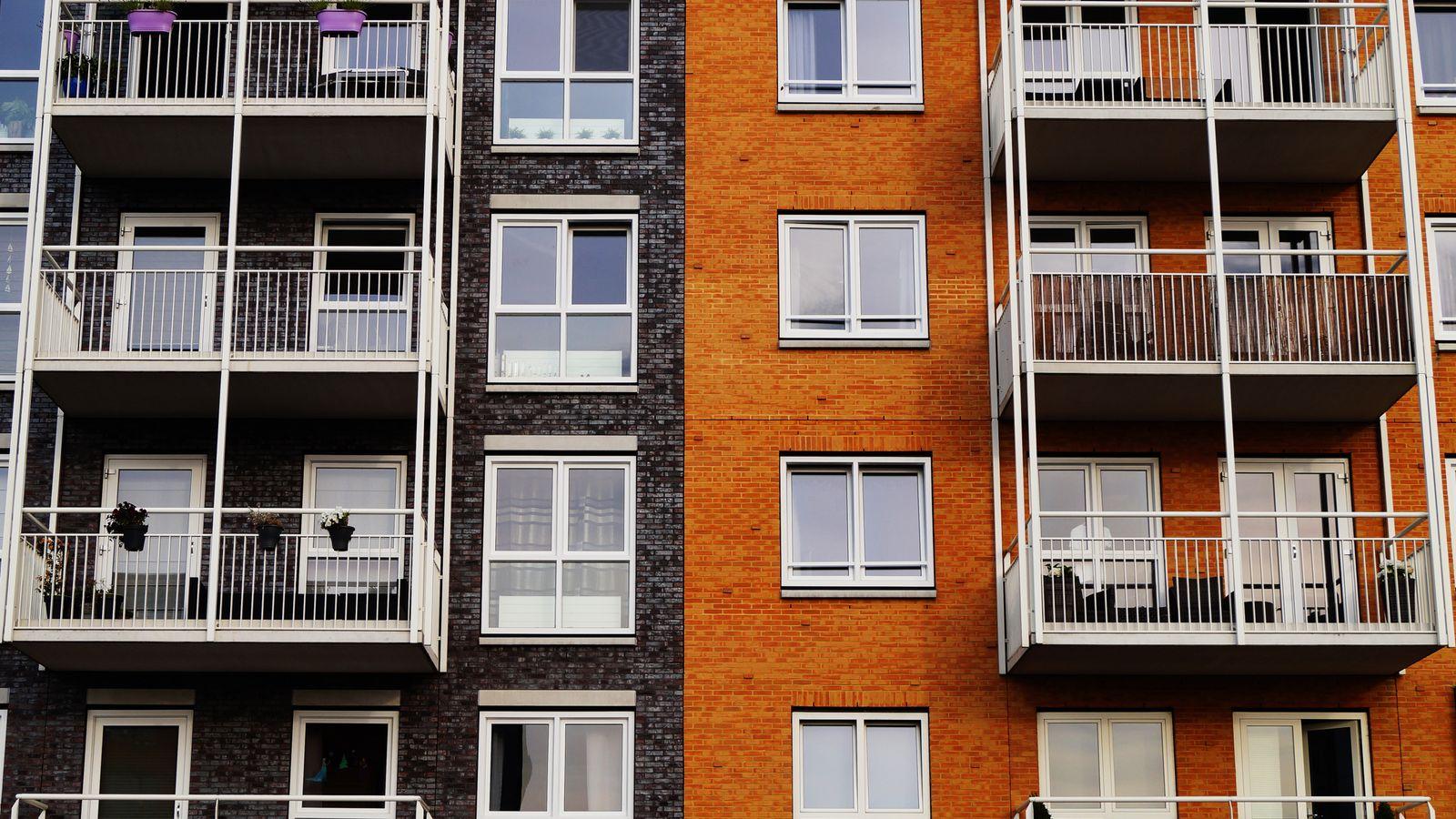
The national rental vacancy rate has climbed to roughly 7.3% as a wave of apartment construction finished delivering, giving renters the best negotiating position they have had in a decade.