A Record 90,000 Apartments Are Being Carved Out of Old Offices
Conversion projects rose about 28% over the past year, led by New York with more than 16,000 units underway, as cities pair tax abatements with a permanent surplus of office space.
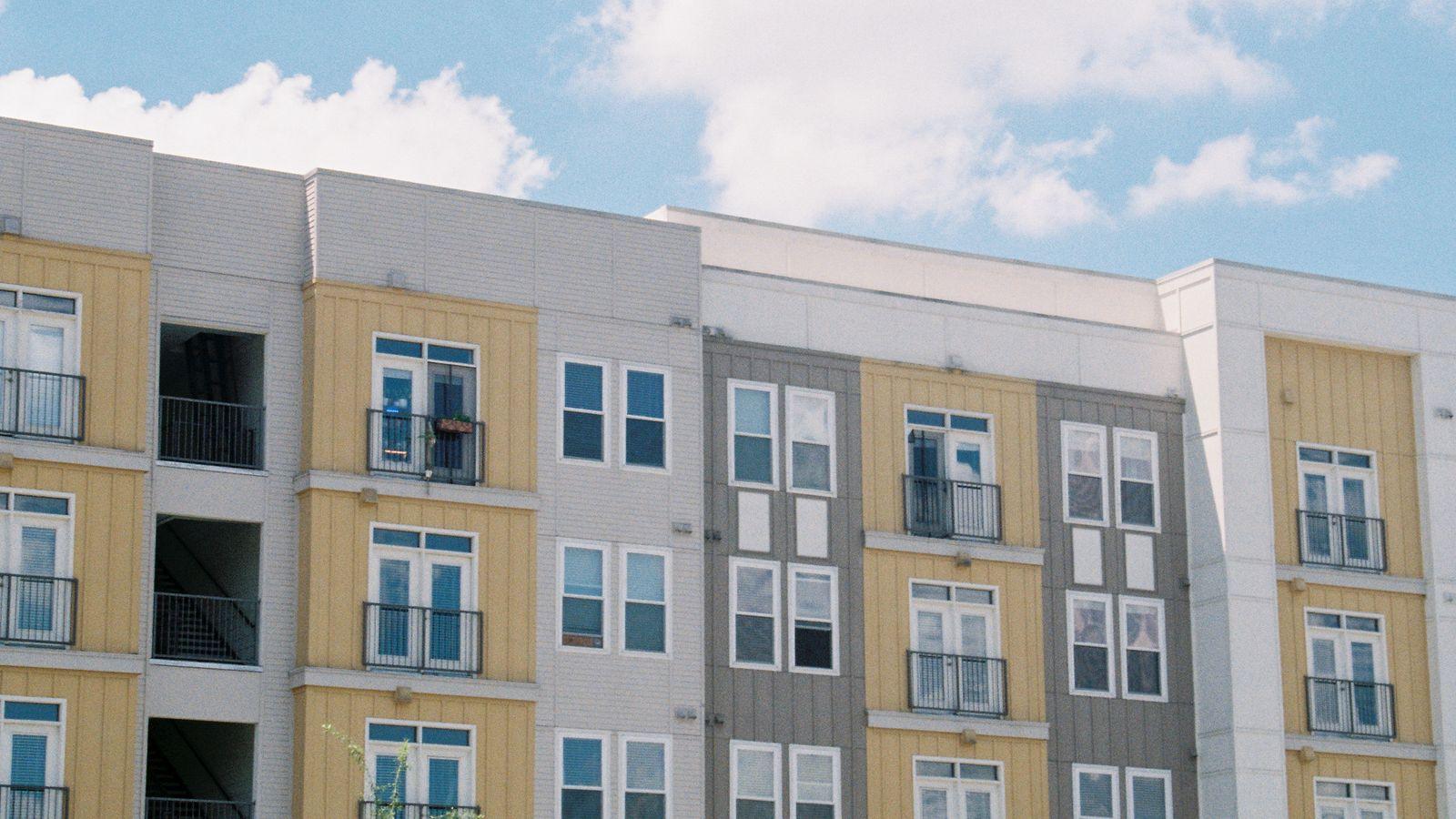
The American office surplus is being converted into apartments at a pace nobody expected five years ago.
Roughly 90,000 apartments are now in the national pipeline of office-to-residential conversions, a record, with the number of projects up about 28% over the past year. New York leads by a wide margin with more than 16,300 units underway, followed by Washington with about 8,500 and Chicago with roughly 4,400.
Why it is happening now
Three conditions had to line up.
Office values had to fall far enough. Delinquency rates on securitized office loans passed 12% in January, and buildings in weaker submarkets have traded at a fraction of replacement cost. A conversion only pencils when the acquisition price reflects the building's failure as an office.
Housing had to be scarce enough. With rates near 6.7% and construction starts at the weakest pace since 2020, downtown apartments command rents that support the very high cost of a conversion.
Cities had to subsidize it. New York's program offers a substantial tax abatement running for decades; Boston extended its program after passing 1,500 new homes; several other cities have adopted zoning overrides that allow residential use by right in commercial districts.
Why most buildings still fail the test
Conversion is an architectural problem before it is a financial one. Apartments need windows, and floor plates designed for open-plan offices often have too much space far from any exterior wall. Plumbing must be added throughout a structure built with a handful of core bathrooms. Facades frequently cannot be opened.
The buildings that work best are pre-war towers with narrow floor plates and operable windows — which is exactly why New York, with an enormous stock of them, dominates the national figures.
What it does to two markets at once
Each conversion removes obsolete office space from a market with too much of it and adds housing to a market with too little. It is one of the few moves in real estate that improves both sides of a mismatch.
The scale should be kept in perspective. Ninety thousand units nationally is a fraction of what the shortage requires, and the pipeline is concentrated in a handful of downtowns. But it is a rare piece of good news in a sector where most of this year's numbers have gone the other way.