Housing Starts Fell 12.4% in July, but Permits Rose
Builders broke ground at an annual rate of 1.24 million units, down 13.5% from a year earlier, while authorizations for future projects climbed 5% — a split that says builders are keeping options open.
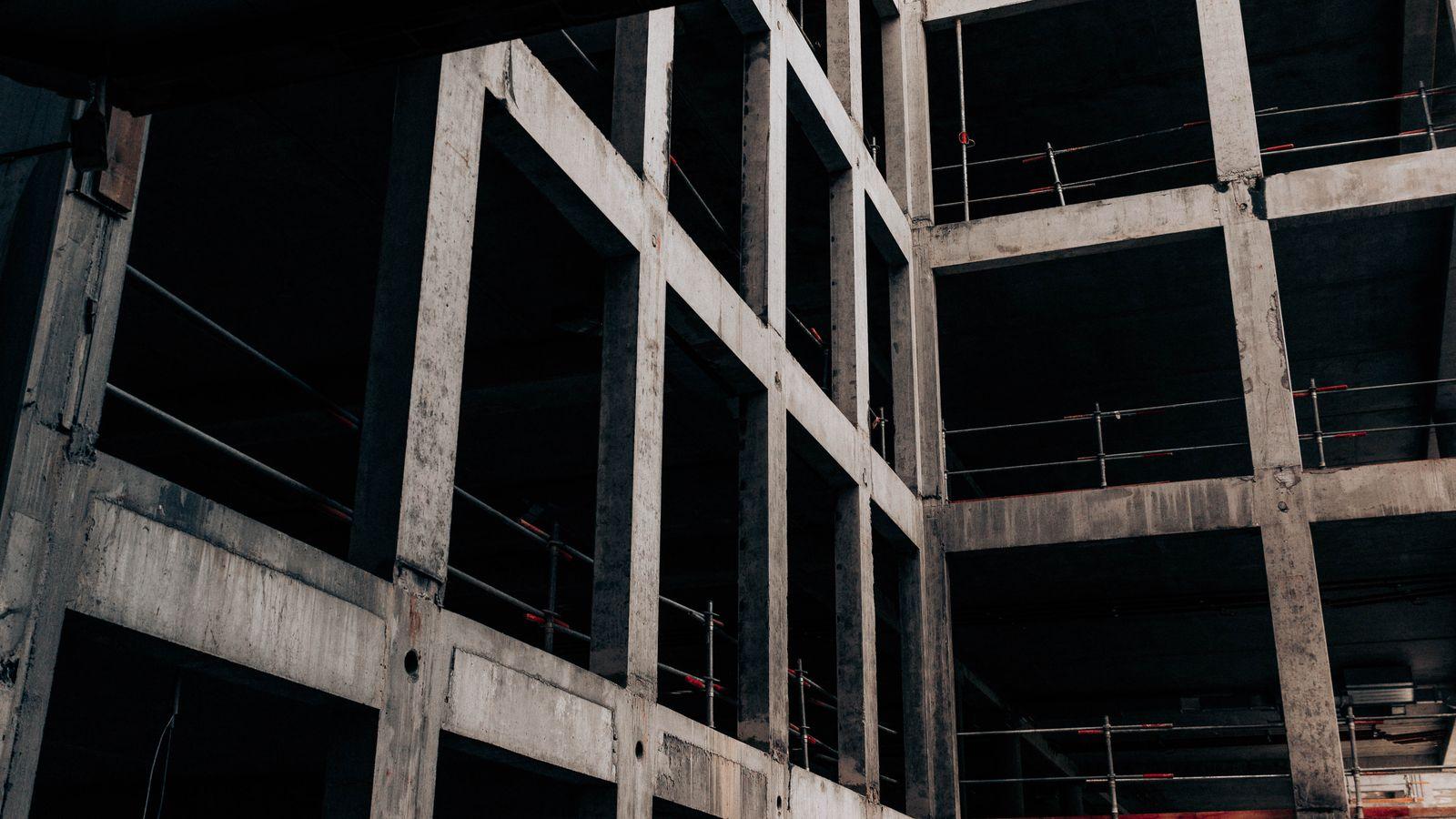
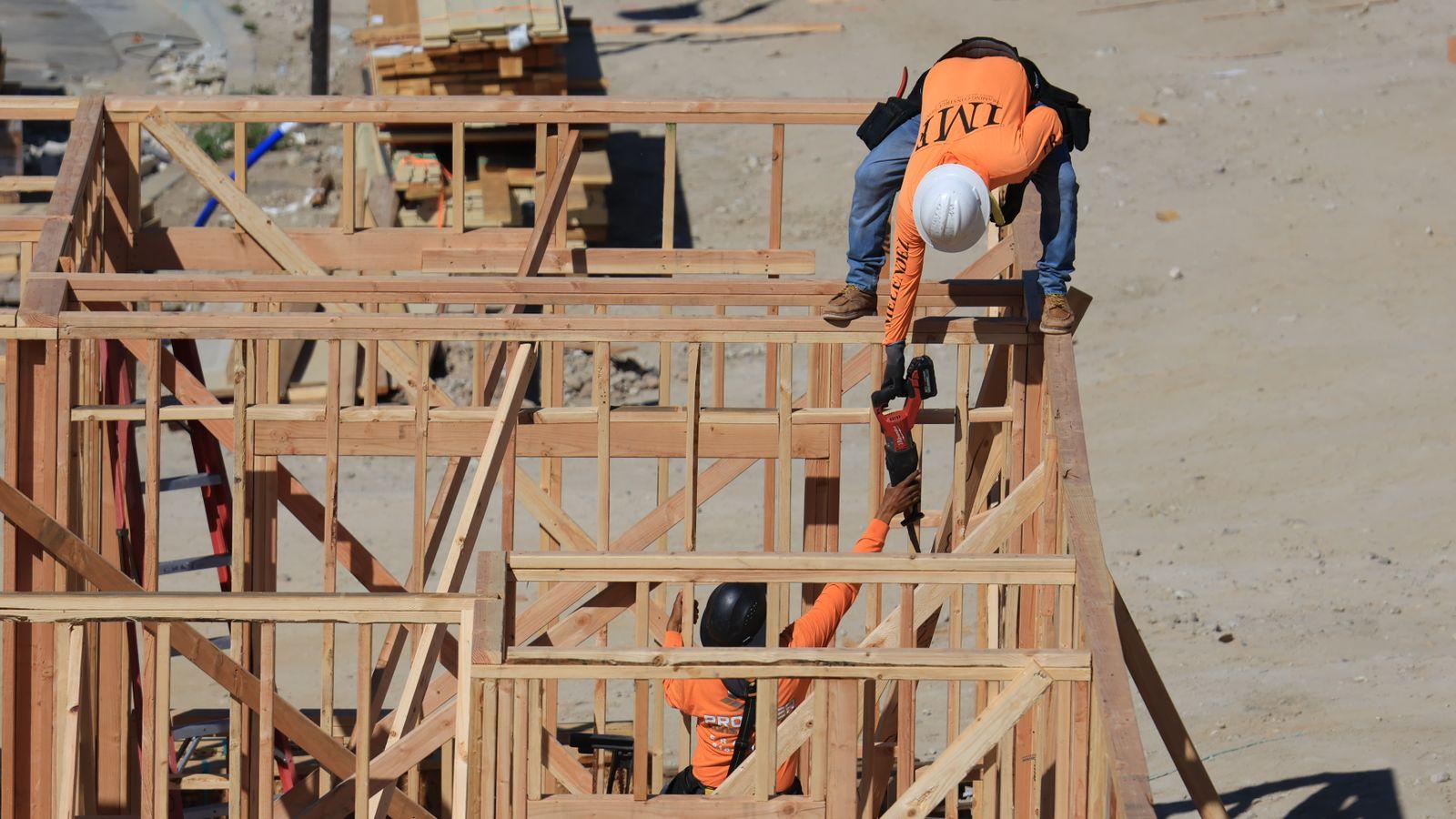
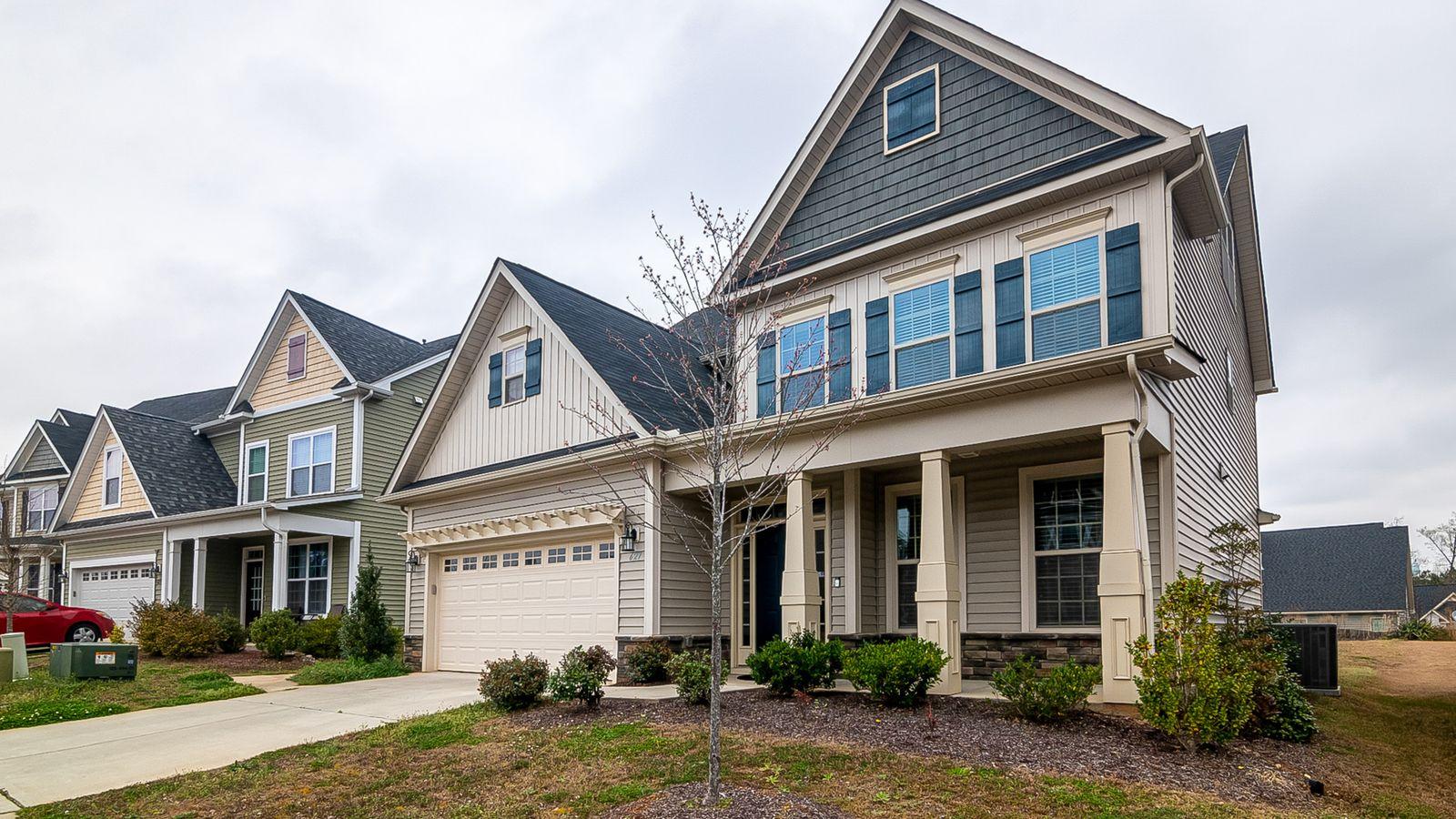
Construction began on new homes at a seasonally adjusted annual rate of 1,239,000 units in July, the Census Bureau reported Tuesday, down 12.4% from June and 13.5% below the same month last year.
Single-family starts fell 9.9%, to an annual rate of 808,000.
The permit numbers went the other way. Authorizations rose 5.0% from June to an annual rate of 1,443,000, and 3.1% above July 2025, with single-family permits up 2.5% to 894,000.
What the divergence means
A permit is an option. A start is a commitment.
Builders who pull permits and delay breaking ground are preserving the ability to move quickly if conditions improve while avoiding the carrying cost of a house that may sit finished and unsold. Given that new-home inventory has been elevated for months, that is a rational response to an uncertain autumn.
The gap also tells you something about what builders expect. If they believed demand was permanently impaired, permit volumes would fall alongside starts. They have not.
The economics that stopped the digging
Every input has moved the wrong way. Materials carry tariff costs. Construction financing reflects long-term rates that touched their highest levels since 2007 this week. Builder's risk insurance has climbed with the rest of the property insurance market.
On the revenue side, mortgage rates near 6.65% cap what buyers can pay, and 37% of builders reported cutting prices in July, by an average of 6%. Roughly two-thirds are offering incentives, most often a mortgage rate buydown that comes directly out of margin.
Why it matters beyond this year
The country is short of housing, and the fix requires construction. Starts at 1.24 million a year — the weakest pace since April 2020 — are below what household formation implies the country needs.
That shortfall does not show up immediately. It shows up in 2028, when the homes that were not started this summer are not available, and the buyers who were priced out this year are competing for a smaller supply.