Priced Out Again: The Third Straight Year Without an Opening
The affordability gains that appeared briefly in February have been erased, and the two fastest-growing costs of ownership — insurance and taxes — are not affected by mortgage rates at all.
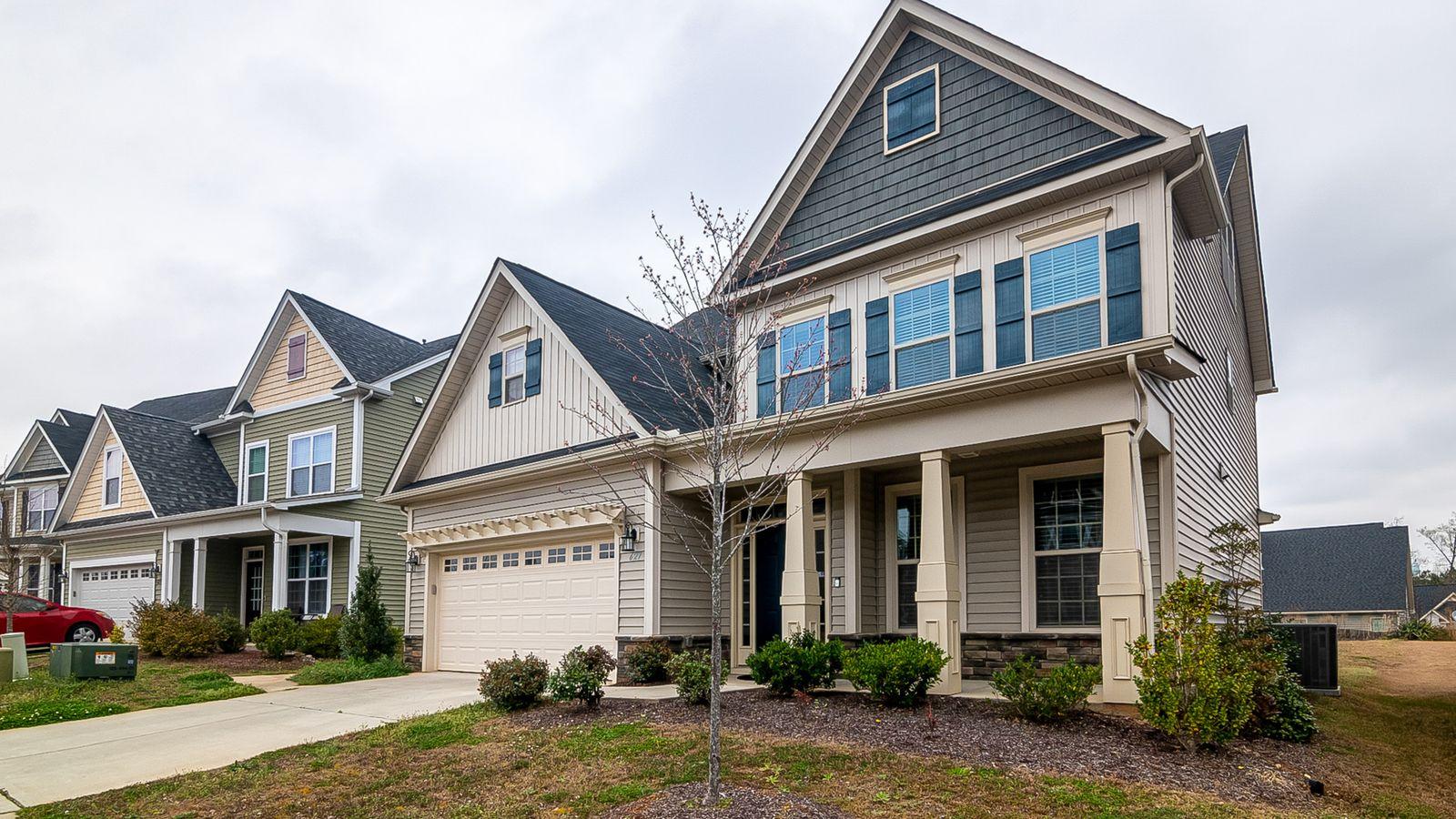
For a few weeks in February, the American housing market briefly looked like it might reopen. Mortgage rates dipped below 6%, inventory was up more than 7% from a year earlier, and buyers who had spent two years waiting started making appointments.
It did not last. Rates are back near 6.7%, the median existing-home price sits in the vicinity of $430,000, and the affordability improvement of early 2026 has been fully reversed.
The payment, decomposed
Housing affordability is usually discussed as a function of price and rate. That framing is increasingly wrong, because the other two components of a monthly payment are growing faster than either.
Insurance. Average annual premiums are rising for a fifth consecutive year, projected around $3,057 after a 12% jump in 2025. Since 2021, premiums are up roughly 46% — about three times cumulative inflation.
Property tax. Assessments have caught up with the price increases of 2021 and 2022, and bills have risen accordingly. The political response has been intense enough that at least ten states opened their legislative sessions with relief proposals.
Neither cost falls when the Federal Reserve cuts rates. Both are permanent additions to the cost of ownership.
Who is actually buying
The market that exists is bifurcated in the same way the rest of the consumer economy is. Buyers with substantial equity from a prior home, or with income in the upper part of the distribution, are transacting. Buyers who need to qualify on income alone, with a small down payment, largely are not.
That composition shows up in the data as resilient median prices alongside weak transaction volume — a market that looks stable in price terms because the people who cannot pay simply are not represented in it.
What would actually change it
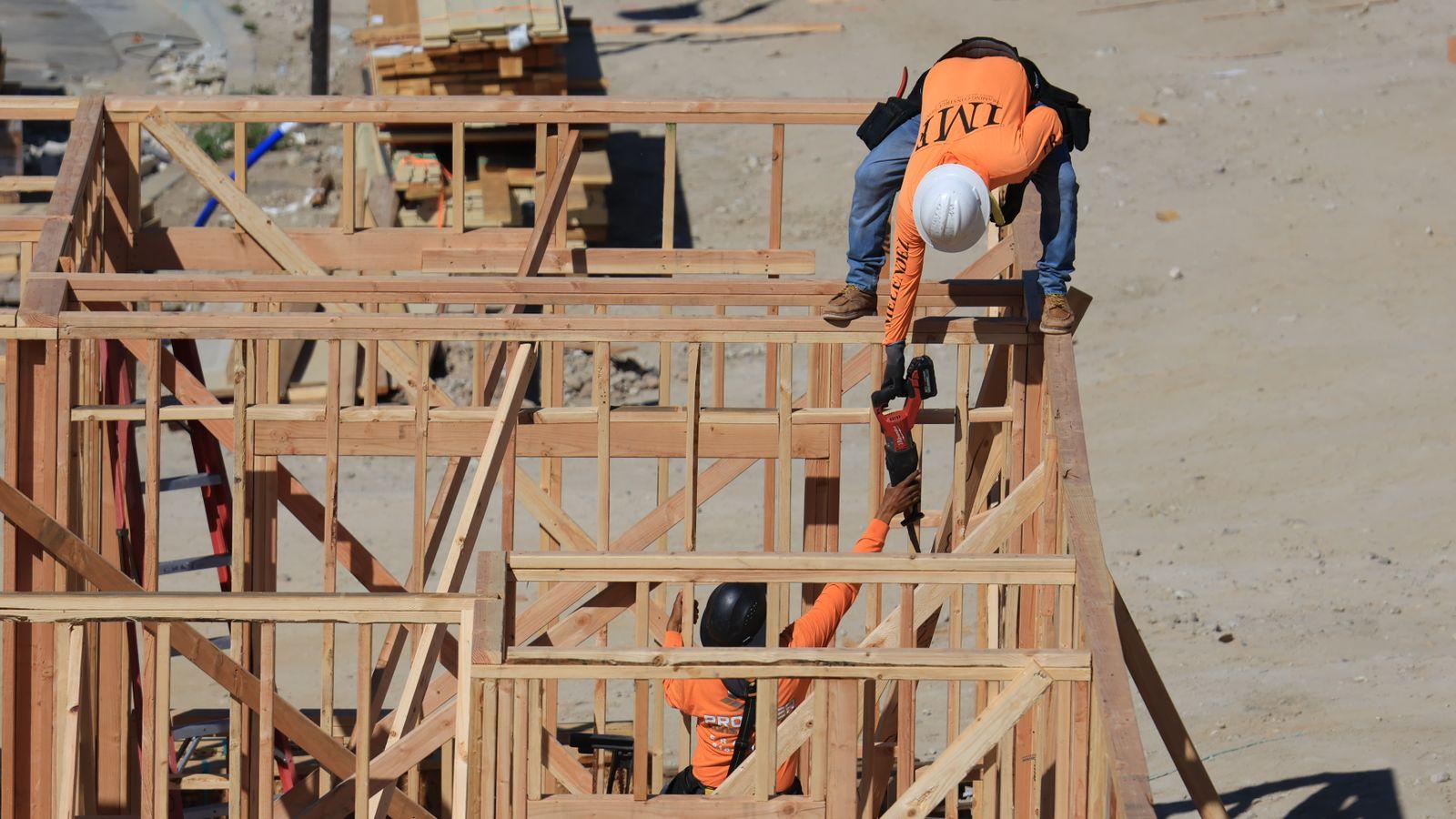
Three things, in order of impact: more housing supply, which requires construction that is currently falling; lower long-term interest rates, which requires an inflation outcome the Fed has not yet secured; and slower growth in the carrying costs of ownership, which requires an insurance market that is repricing climate risk to stop repricing it.
None of the three is likely to arrive in the next twelve months, which is why forecasters generally expect prices to stay roughly flat this year rather than to correct or to accelerate.