The Renter Who Would Rather Be a Buyer
Three years of unaffordable ownership have produced a large and growing population of high-income renters, reshaping what gets built and who owns it.

The most consequential demographic in American housing is the household that can afford a mortgage payment but cannot assemble the down payment, or that qualifies on paper for a house $150,000 below what it needs.
Three consecutive years of unaffordable ownership have made this group large. Its members are renting longer, renting bigger, and renting in places that used to be dominated by owners.
What that does to the rental market
It changes the product. Demand has shifted from studio and one-bedroom apartments toward three-bedroom units and single-family rentals — the housing type a family buys when it can.
It also changes the tenant. Landlords report renters with credit profiles and incomes that would have qualified for a mortgage in 2019, staying in place for longer terms and treating the property as a medium-term home rather than a way station.
The good news, for now
For these households, the current rental market is the most favorable in a decade. The national rental vacancy rate has climbed to roughly 7.3%, rents are flat or falling in many metropolitan areas, and concessions are back.
That is the direct result of the apartment construction wave of 2022 through 2025 finishing its delivery cycle. Supply arrived, and it worked exactly as supply is supposed to.
The bad news, later
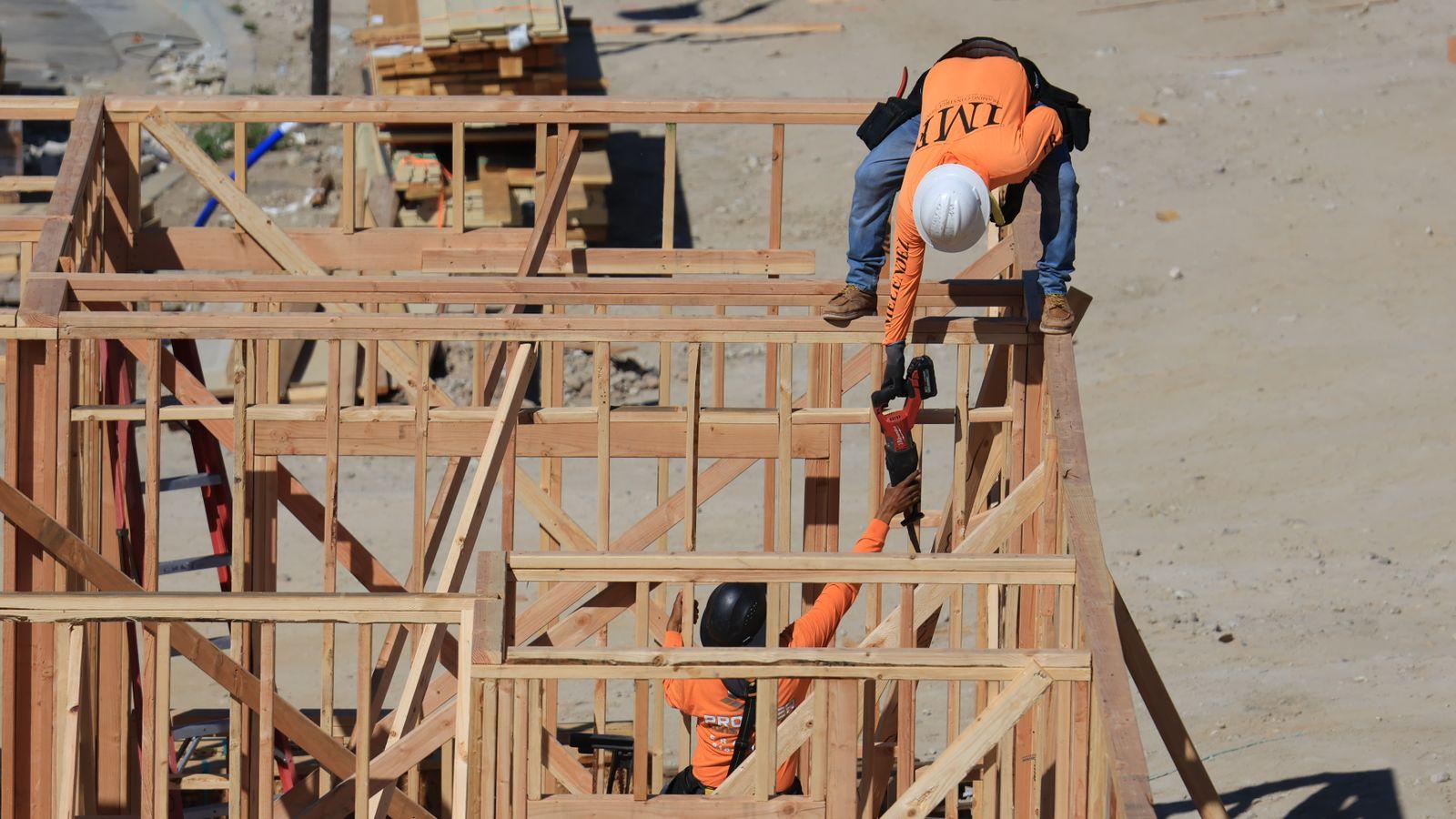
Multifamily starts fell 40% in May, to an annualized 295,000 units. Build-to-rent construction has slowed. Single-family starts are weakening.
The pipeline that would deliver into 2028 is being emptied now, while the population of would-be buyers who cannot buy continues to grow. That is a supply-demand configuration with an obvious ending.
The wealth consequence
The financial cost of extended renting is not the rent. It is the equity not accumulated. A household that rents for an extra seven years while home prices rise 3% annually does not simply lose seven years of principal payments; it faces a higher entry price when it finally buys.
That is the mechanism by which a temporary affordability problem becomes a permanent difference in household wealth between the cohort that bought before 2022 and the cohort that did not.