Rents Are Flat or Falling in Much of the Country
The national rental vacancy rate has climbed to roughly 7.3% as a wave of apartment construction finished delivering, giving renters the best negotiating position they have had in a decade.
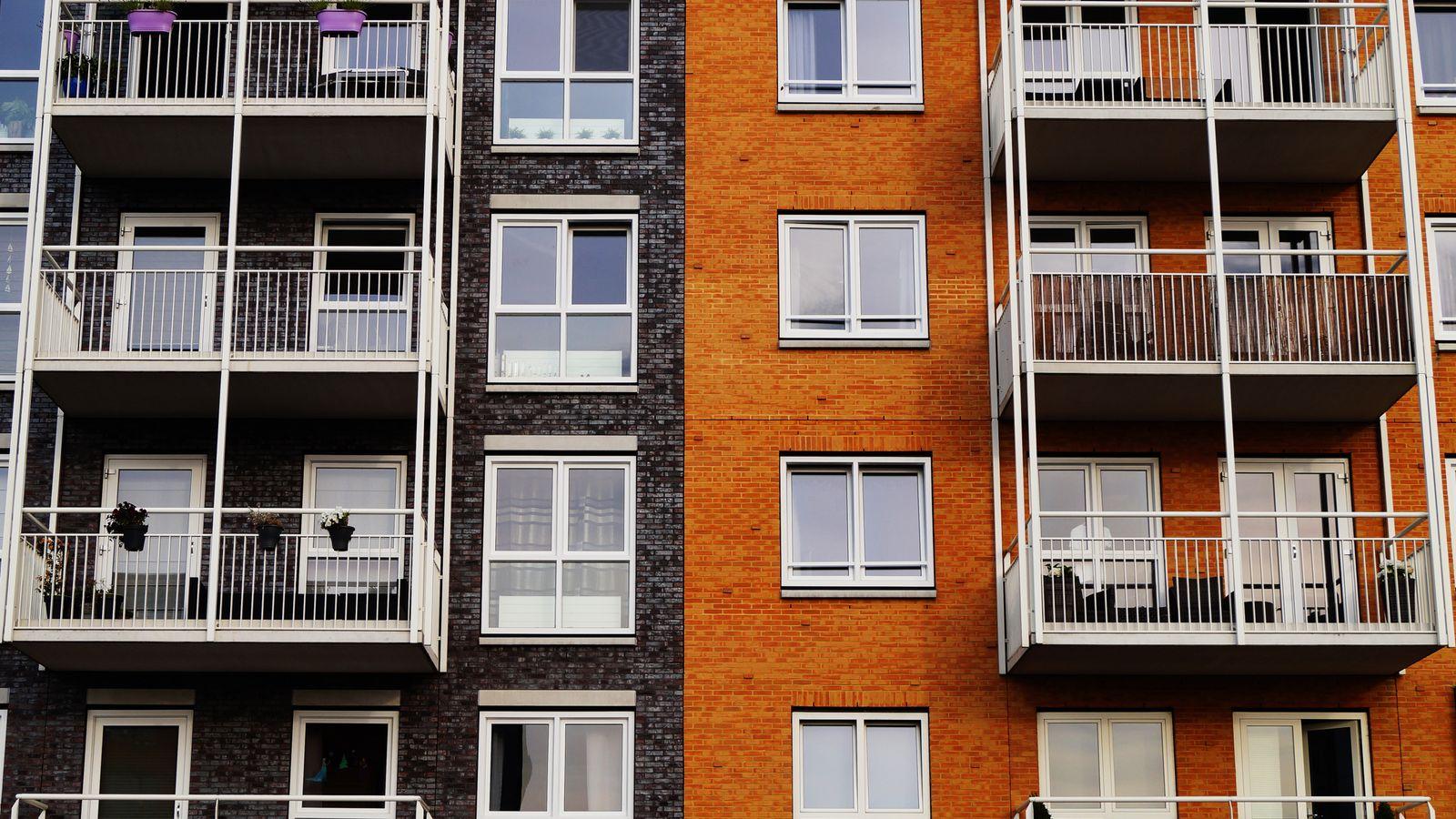
For the first time since before the pandemic, a large number of American renters are signing leases at or below what they paid last year.
The national rental vacancy rate has risen to about 7.3%, up substantially from the lows of 2021 and 2022, and at that level landlords lose the ability to raise rents. In several metropolitan areas — particularly in the Sun Belt markets that built the most — asking rents have declined outright.
What produced it
Supply, arriving with a lag. Apartment developers responded to the rent spike of 2021 and 2022 with the largest multifamily construction wave in decades. Those projects were permitted in 2022, built through 2023 and 2024, and delivered into 2025 and 2026.
The result is exactly what supply is supposed to do: vacancy up, concessions back — a month or two free, waived fees, parking included — and pricing power moving from landlord to tenant.
Why this matters beyond renters
Shelter is the largest single component of the consumer price index, and the index measures rents with a substantial lag because it captures the full stock of leases rather than only new ones.
Shelter inflation running at 0.1% a month, as it did in July, is the main reason core inflation has continued to decelerate even while energy prices pushed the headline number around. Without the apartment construction wave of the past four years, this year's inflation problem would have been considerably worse.
The part that should worry renters
Multifamily starts fell 40% in May, to an annualized 295,000 units. The construction that would deliver in 2028 is not happening, because current rents no longer support current construction costs.
That is the mechanism by which today's renter-friendly market becomes the next shortage. Falling rents stop construction; stopped construction produces a shortage two to three years later; the shortage produces the next rent spike.
The lesson from the past four years is that the only durable answer is to keep building through the soft part of the cycle — which is exactly what the economics of construction make hardest to do.