The Plan to Take Fannie and Freddie Public Has Stalled
An offering that had been discussed at roughly $30 billion — which would be the largest in U.S. history — faces new uncertainty after the official leading it took on a second full-time government role.
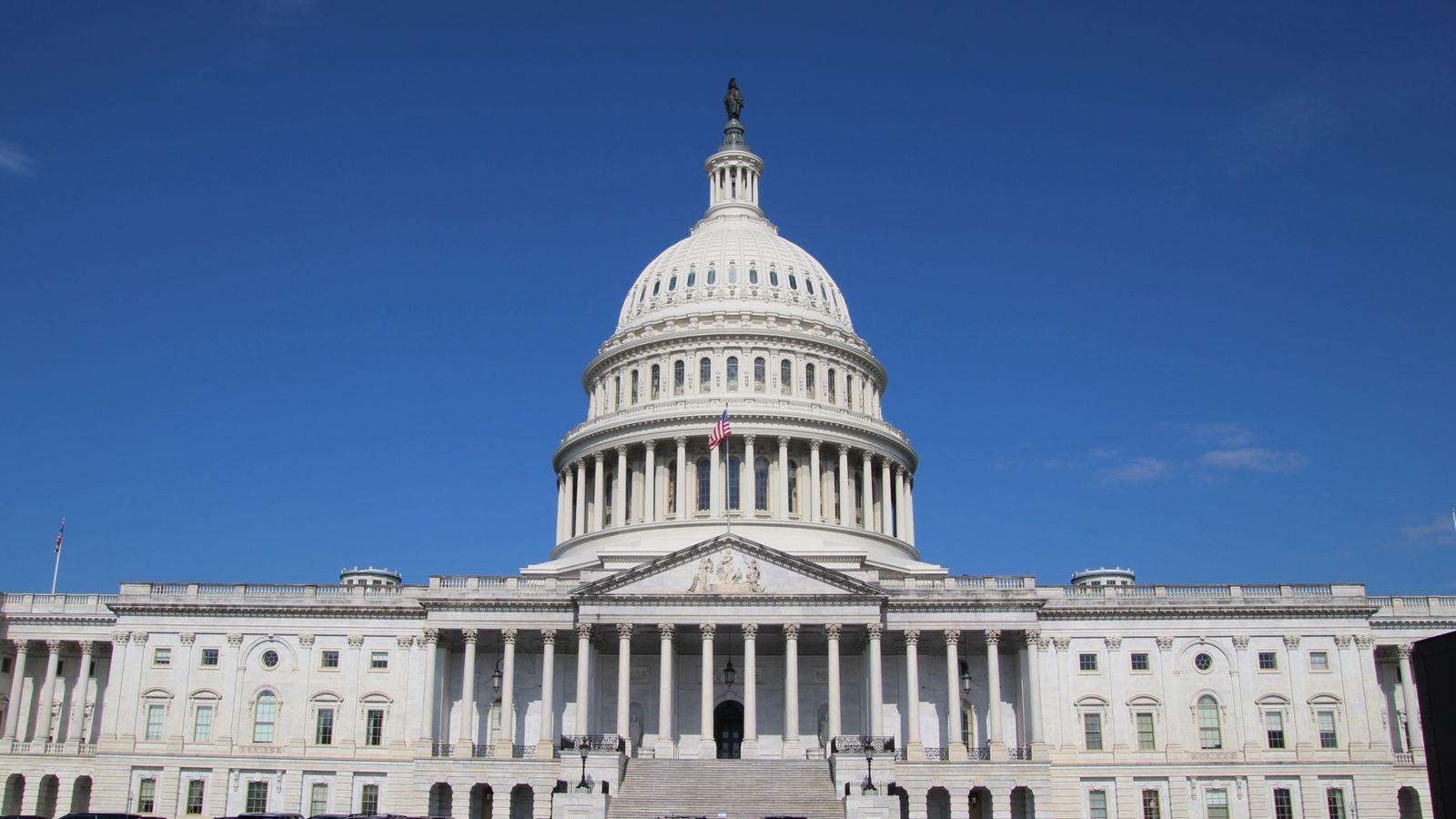
The administration's effort to take Fannie Mae and Freddie Mac public has lost momentum, with the timeline for an offering that had been discussed for this year now widely doubted.
The proximate cause is administrative: the housing official who has been driving the effort was given an additional and unrelated senior government role, and running an offering of this complexity is not a part-time assignment.
What was being contemplated
Press reports have described a sale of roughly $30 billion of stock, which would rank as the largest U.S. offering in history by conventional measures, against a combined valuation of the two companies that has been estimated near $500 billion. Analysts have valued the government's total stake at something on the order of $250 billion.
The companies have been in federal conservatorship since 2008. Between them they guarantee a majority of American residential mortgages, and the securities they issue are the reference asset for the entire 30-year fixed-rate mortgage market.
Why the details matter more than the price
The core question is not what the equity is worth. It is what happens to the guarantee.
Investors buy mortgage-backed securities issued by these companies on the understanding that the federal government stands behind them. That belief is what makes the 30-year fixed-rate mortgage possible at anything like current rates.
If a public offering leaves ambiguity about whether that support survives, the market will price the ambiguity — and the price shows up in every mortgage rate in the country. Estimates of how much vary, but nobody argues the direction is downward.
The critics
Opposition has come from unusual directions. Investors who stand to profit from a privatization have argued publicly against rushing it, on the grounds that a botched execution destroys the value they are trying to realize.
Housing economists have made a different argument: that the conservatorship, whatever its origins as an emergency measure, has functioned adequately for seventeen years, and that the case for changing it has never been made in terms of what it does for borrowers.
What happens now
Nothing, most likely, for a while. The companies continue operating under conservatorship, sending profits to the Treasury, guaranteeing mortgages and issuing securities. The largest unresolved question in American housing finance stays unresolved, which is its steady state.