Can an Empty Office Become a Data Center? Usually Not
With office delinquencies at records and data center space unobtainable, owners are studying conversions — but power capacity, floor loading and cooling defeat most candidates before the design phase.

The idea is irresistible on paper. American cities hold an enormous surplus of office space that hybrid work has permanently devalued, with delinquency rates on securitized office loans above 12%. They also sit inside markets where data center vacancy is near 1% and tenants pay premiums for capacity.
Convert one into the other and two problems solve each other.
In practice, most office buildings fail the screen in the first week of due diligence.
The three disqualifiers
Power. A typical office building is served with electrical capacity sized for lighting, elevators, HVAC and workstations. A data center needs an order of magnitude more per square foot. Upgrading the service means a new utility feed, which puts the project into the same interconnection queue as a greenfield campus — two to four years in core markets.
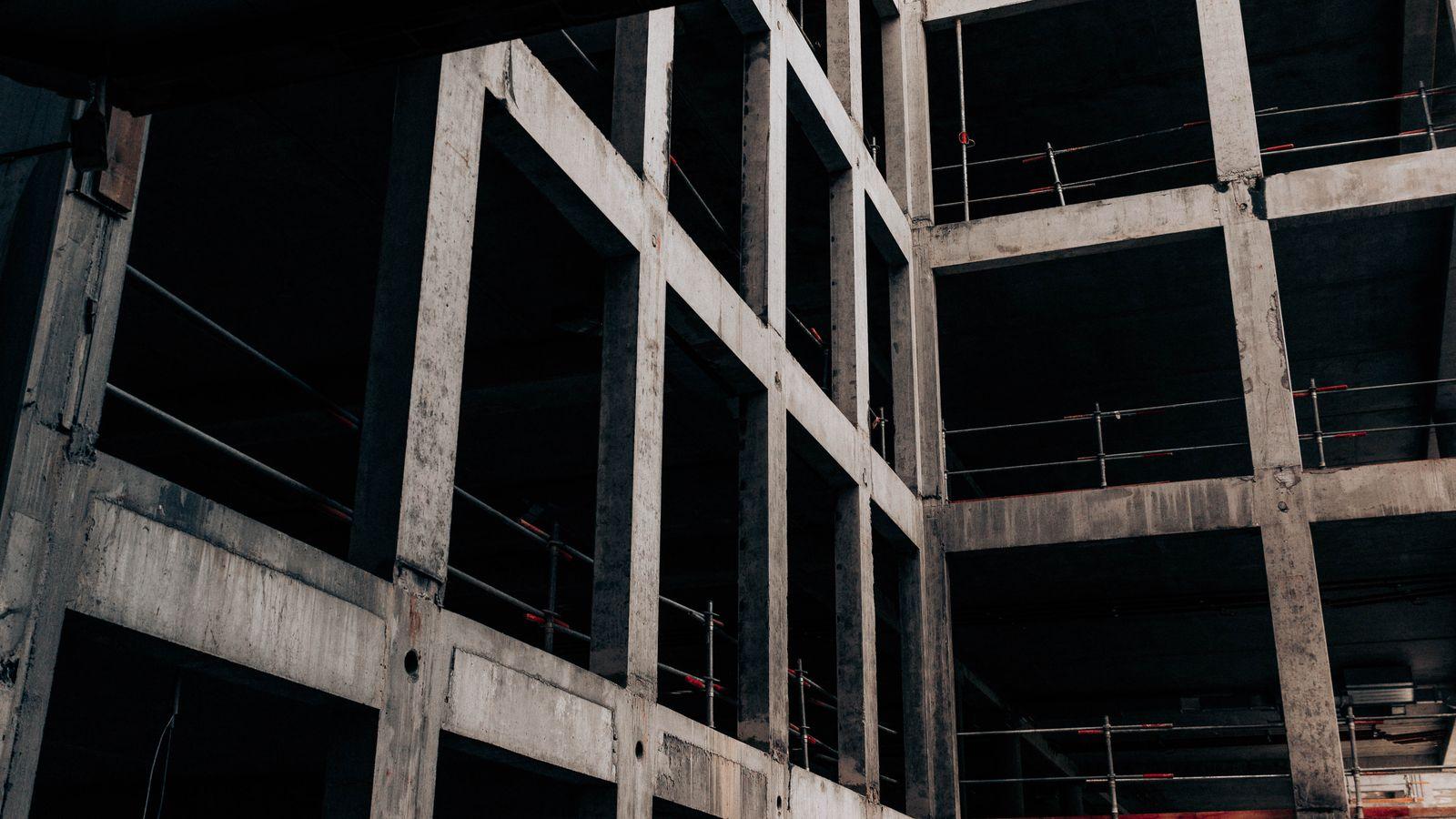
Floor loading. Racks of servers, batteries and cooling equipment are extraordinarily heavy. Office floors are designed for people and desks. Structural reinforcement is possible and usually costs more than the building is worth.
Cooling and shape. Data centers need to move enormous volumes of air or liquid. Office buildings have low floor-to-floor heights, cores in the wrong places, and window walls where thermal separation is needed.
What does work
Conversions succeed in a narrow set of cases: older industrial-adjacent buildings, structures originally built as telephone exchanges or trading floors, and low-rise properties with substantial existing electrical service in markets where interconnection is available.
The more common outcome for a distressed office building remains conversion to residential use — itself difficult, but constrained by plumbing and daylight rather than by megawatts — or demolition, with the value residing in the land.
What it says about the two markets
The conversion conversation is a symptom of how far apart the two asset classes have moved. Office values in the weakest submarkets have fallen to a fraction of replacement cost, while data center development is constrained by a resource that no amount of capital can conjure quickly.
Physical assets are not fungible. That is obvious in the abstract and easy to forget when a spreadsheet shows one number falling and another rising.