Housing Starts Fall to the Weakest Pace Since April 2020
Construction began on homes at a 1.18 million annual rate in May, with multifamily starts collapsing 40% in a single month — a supply contraction that will be felt in rents two years from now.
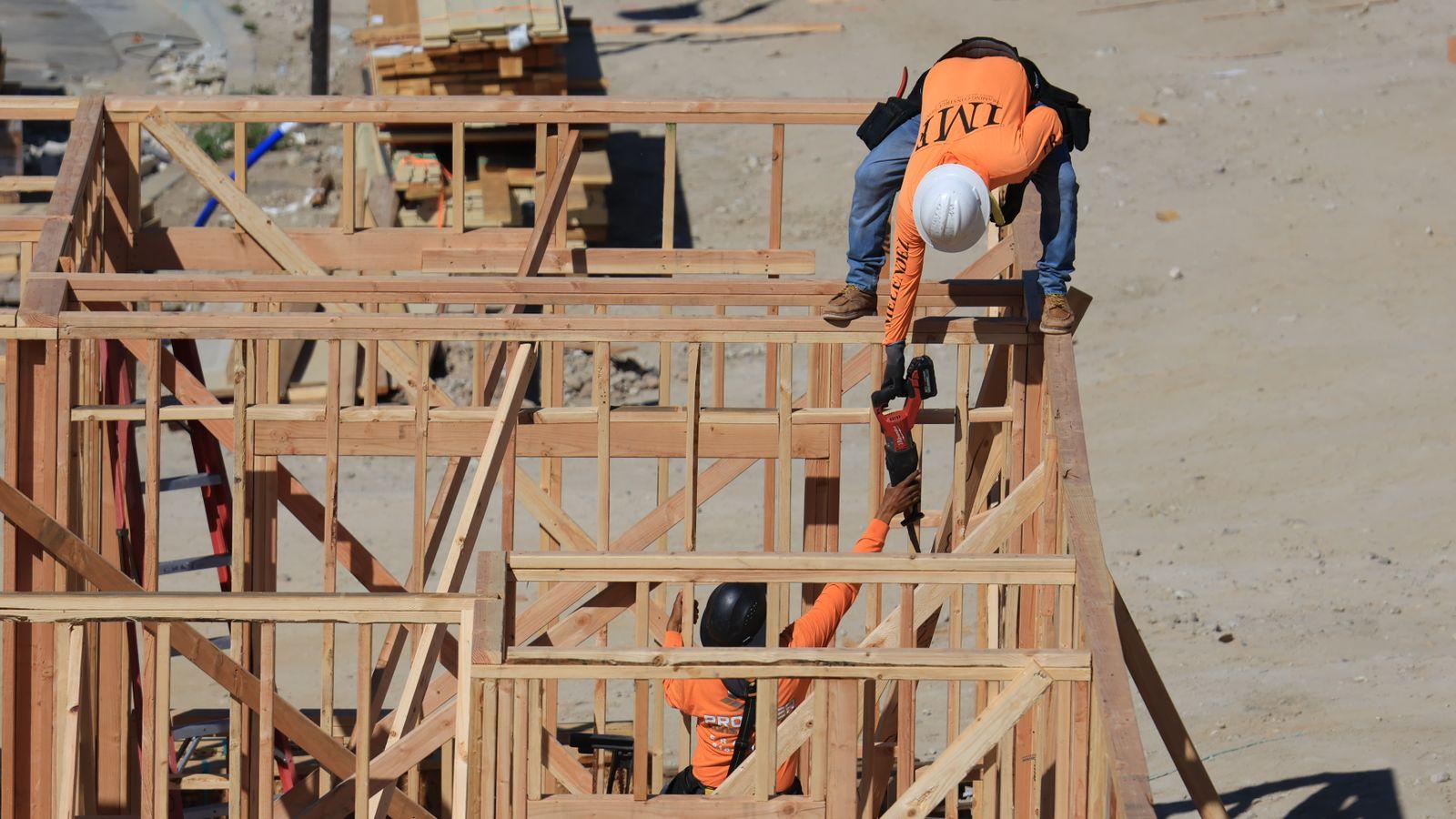
Builders started construction on homes at a seasonally adjusted annual rate of 1.18 million units in May, the slowest pace since April 2020 and a level associated with recessions rather than with a housing shortage.
The multifamily side drove the decline, falling 40.2% from the prior month to an annualized 295,000 units and down about 14% from a year earlier.
Why builders stopped
The cost side has become impossible in several markets at once. Materials prices have risen with tariffs applied to imported inputs. Labor costs have not fallen. Insurance on projects under construction has climbed with everything else in the property insurance market. And financing costs remain high, with long-term rates near 20-month highs.
Meanwhile the revenue side has weakened. Apartment rents are flat or falling in much of the country, with the national rental vacancy rate up to roughly 7.3%.
A project only gets built when projected rent supports the cost of construction plus a return. In a growing number of markets, it does not.
The delayed consequence
The apartment supply that has kept rents in check over the past two years was permitted in 2021 and 2022 and delivered in 2024 and 2025. It is now largely absorbed.
What is being permitted today determines what delivers in 2028. A 40% monthly collapse in multifamily starts, if it persists, means a supply gap arriving precisely when the current wave of completions has been fully leased.
That is the mechanism behind rent cycles: shortage produces high rents, high rents produce construction, construction produces surplus, surplus stops construction, and the cycle repeats with a two-to-three-year lag between each step.
The single-family side
Single-family construction has held up better but is also weakening, with builders reporting a difficult cost environment. Their response has been to buy the sale rather than to stop building: 37% reported cutting prices in July, by an average of 6%, and roughly two-thirds are offering incentives, most commonly mortgage rate buydowns.
Those incentives are a margin transfer from builder to buyer, and they only work as long as margins can absorb them.