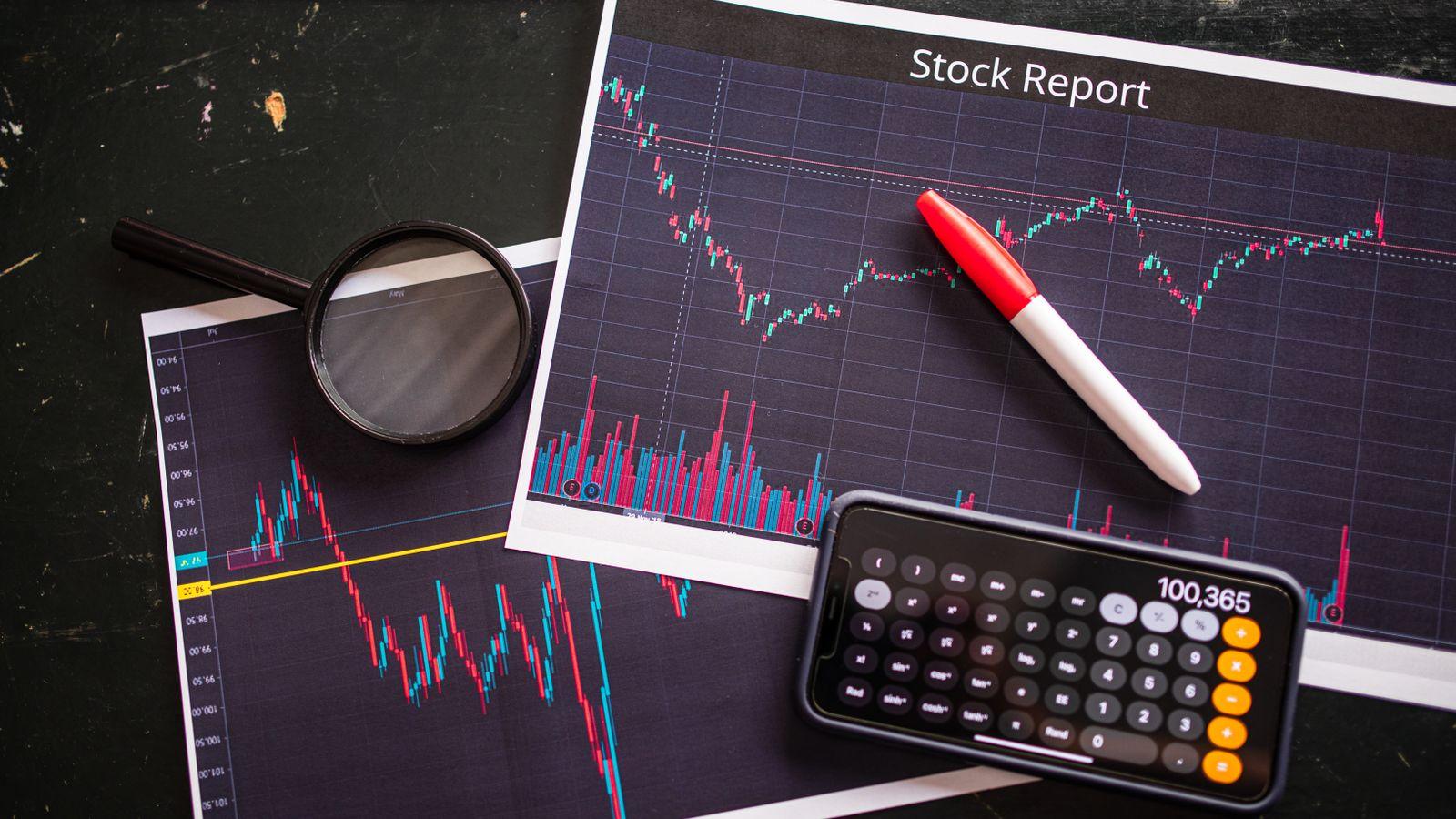
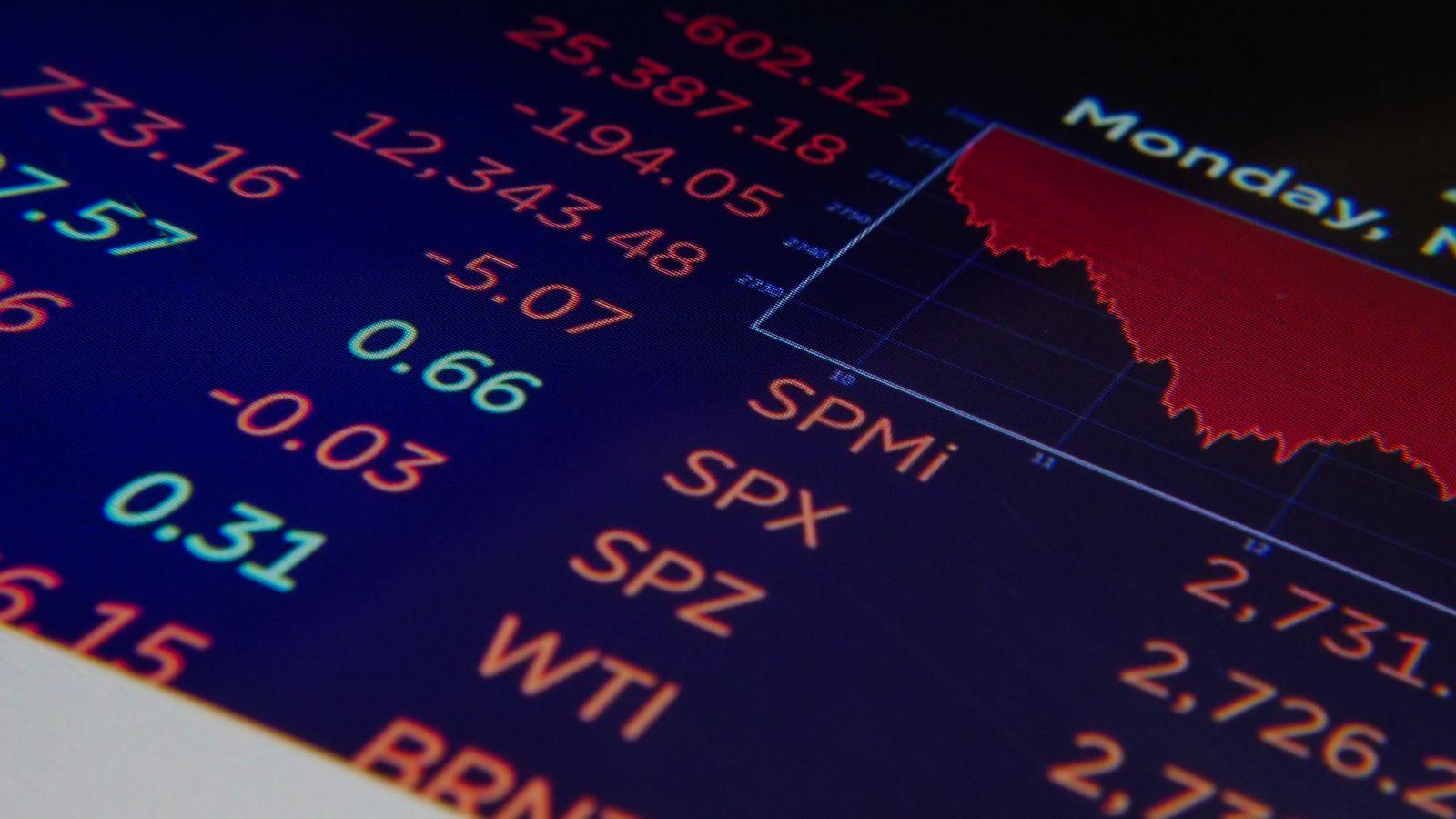
A Market That Sets Records and Panics in the Same Month
The VIX above 25 at the end of June, a trillion-dollar chip selloff in July and an all-time high in August describe a market with unusually violent internal rotation beneath a rising index.

The S&P 500 is up about 11% this year. That number conceals almost everything interesting about how it got there.
Within seven months, the index set records in January, fell into a sharp drawdown in March when oil spiked, recovered, endured a semiconductor selloff that erased more than $1 trillion of global chip value in July, and then set new records in August. Volatility, as measured by the VIX, ended June above 25 — a level associated with stress, not with an index near highs.
Rotation, not direction
What the market has actually been doing is reallocating rather than declining. Energy is up roughly 40% this year. Industrials are up around 20%. Memory and storage names have tripled or better. Technology as a sector fell 8% in July.
An index that holds steady while its components move that violently is not calm. It is balanced — which is a different and considerably less comfortable thing.
Why the swings are faster
Three structural features have compressed the timeline of market moves.
The first is concentration: a handful of stocks carry enough index weight that a change of view on one theme moves the whole benchmark within hours.
The second is the growth of systematic strategies that scale exposure to volatility. When realized volatility rises, these funds sell mechanically, which raises volatility further.
The third is that the fundamental news itself has been arriving in shocks — a Supreme Court ruling that voided a tariff regime, a war that closed a shipping strait, a change of Federal Reserve chair — rather than as the slow accumulation of data points.
What it means for positioning
For long-horizon investors, elevated volatility has historically been a decent entry signal rather than a warning, particularly in smaller companies. For anyone with a shorter horizon, this year has punished conviction in both directions: selling the March low and selling the July chip panic were both expensive mistakes, and so was buying the top of every rally.