SanDisk Jumps 8% After Musk Calls Memory the Bottleneck
Western Digital rose 6% and Micron climbed 5% back above $1,000 as another prominent buyer described memory, not processors, as the constraint on artificial intelligence.
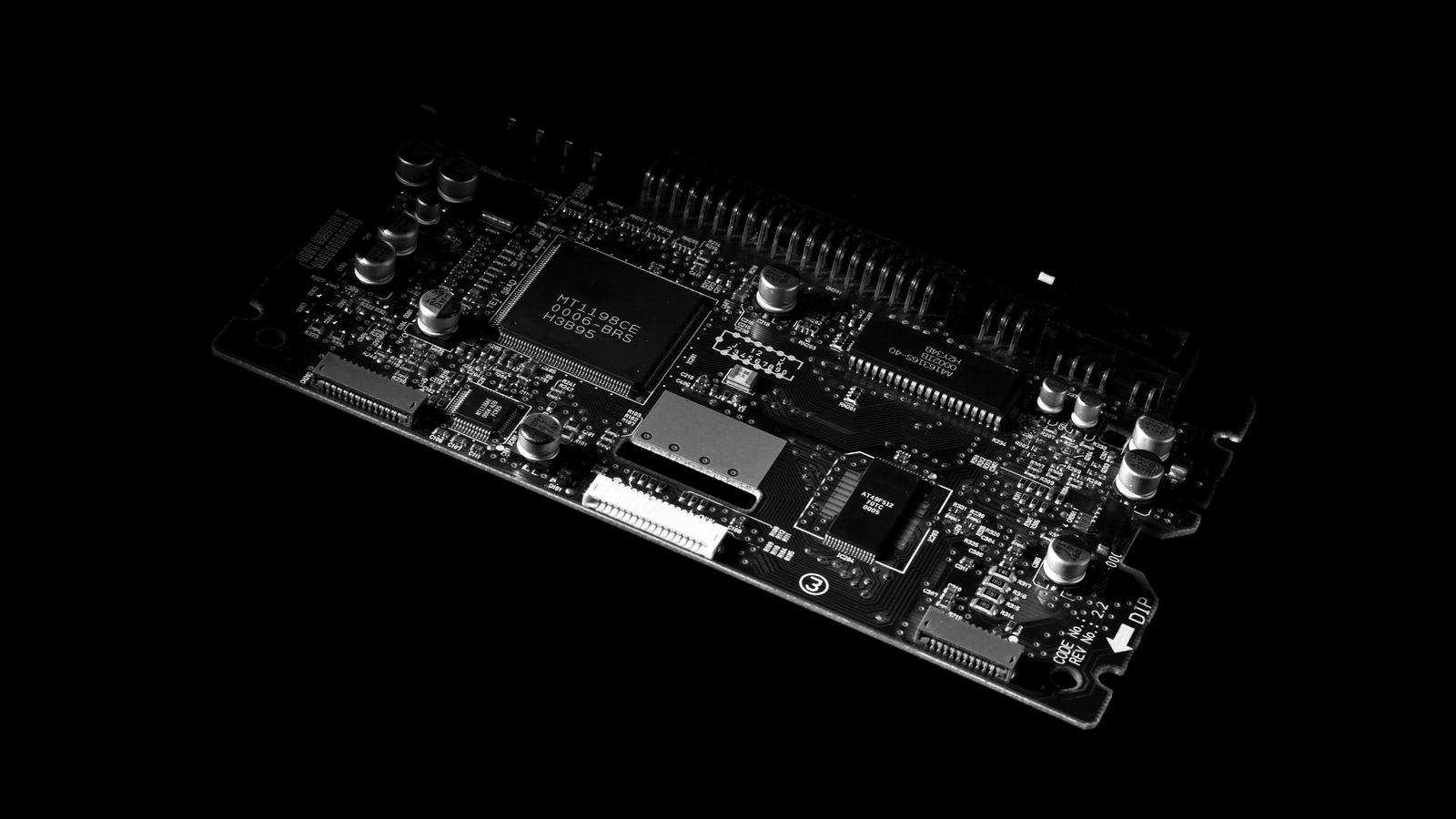
Memory and storage stocks rallied on Monday after Elon Musk described memory supply as the binding constraint on artificial intelligence buildouts, adding one more prominent voice to a thesis that has already made this the best-performing corner of the semiconductor market.
SanDisk rose about 8%, to roughly $1,778. Western Digital gained about 6%, to around $540. Micron Technology added roughly 5%, to about $1,017, closing above $1,000 for the first time since late July.
The trade behind the move
The numbers underneath these stocks have detached from anything the memory industry has produced before. Micron is up roughly 239% this year. SanDisk has climbed about 577%.
The driver is physical scarcity. Micron's chief executive has told investors that demand for both DRAM and NAND exceeds what the industry can supply and that the imbalance should persist beyond calendar 2027. Third-quarter contract prices for DRAM settled 20% to 30% higher. Google and Meta have signed agreements locking in memory volumes and pricing five years forward.
Why a comment from a buyer matters
Suppliers always say demand is strong. It carries more weight when the constraint is described by the people writing the checks.
Over the past year, the operators building the largest AI systems have shifted their language from processor availability to memory availability, and then to power availability. That progression tells investors where the marginal shortage sits, which is where the pricing power goes.
The risk that has not gone away
Memory has been the most cyclical business in semiconductors for four decades, and every previous supercycle ended the same way: record margins funded new capacity, and the capacity arrived after demand cooled.
The current wave of fab investment starts producing wafers in 2027 and 2028. Investors buying at these levels are betting that AI demand grows faster than an industry that is now spending everything it earns to catch up.