The 30-Year Yield Hits 5.34%, and Stocks Give Up Their Record
A global rate spike drove long-term Treasury yields to their highest level since 2007, pulling the S&P 500 down for a third straight session and ending a three-week advance.
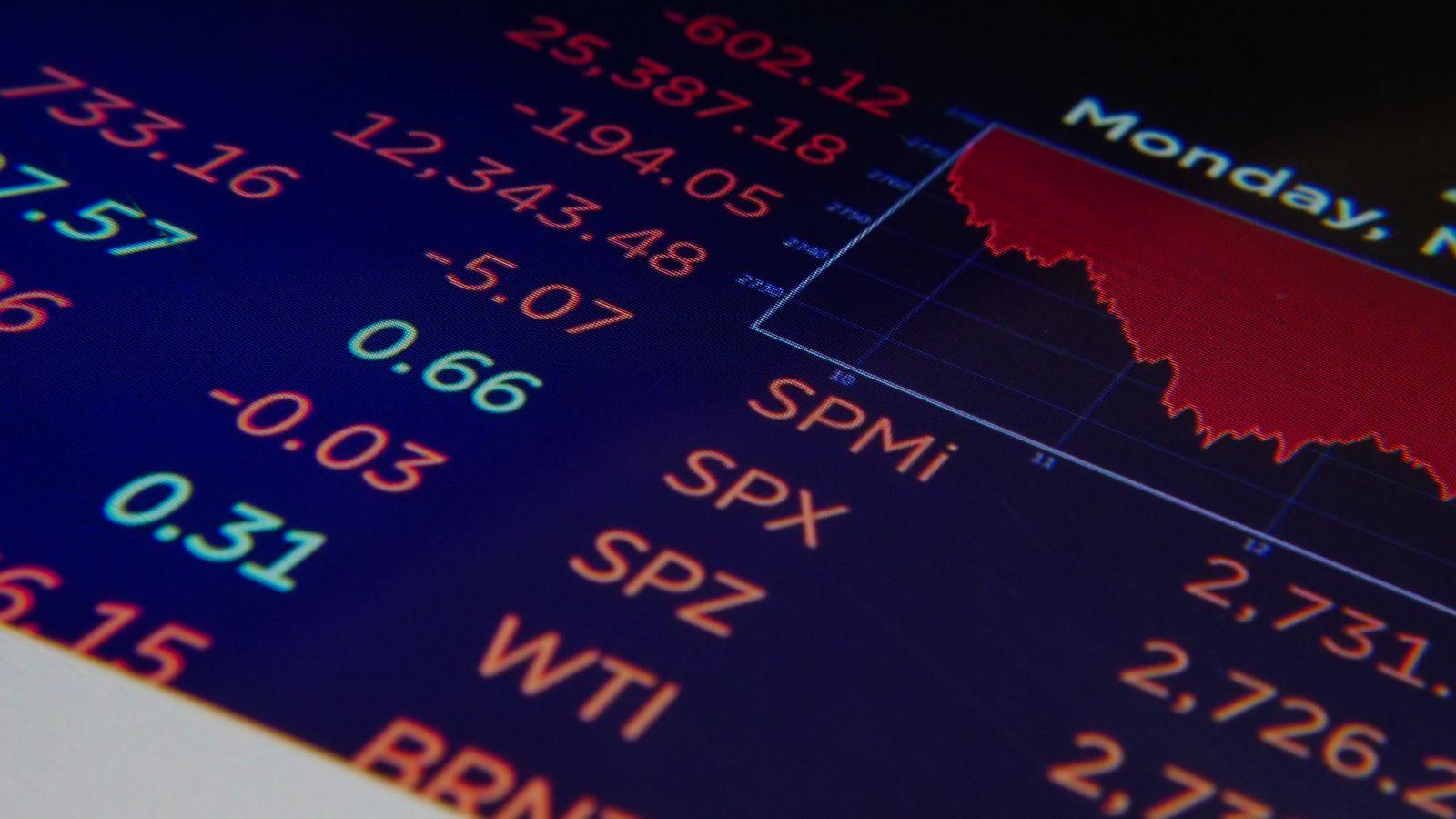
NEW YORK — The bond market, not the earnings calendar, set the direction of stocks this week.
The 30-year Treasury yield reached 5.34% on Tuesday, its highest since 2007, and the 10-year rose to about 4.7%. Equities fell for a third consecutive session as the move accelerated, erasing the gains that had carried the S&P 500 to a record close above 7,800 a week earlier.
Why bonds are dictating terms
Long yields have been climbing for reasons that have little to do with the Federal Reserve, which has not moved its policy rate since December.
Investors are demanding more compensation for three things: inflation that has run above target for five straight years, federal borrowing on a scale that shows no sign of moderating, and a wave of corporate issuance financing artificial-intelligence infrastructure that competes directly with Treasuries for the same buyers.
Wednesday's 20-year auction made the problem concrete. Its bid-to-cover ratio of 2.46 sat near the bottom quartile of the past fifty such sales, and yields jumped immediately afterward.
The mechanics of the equity selloff
Higher long yields hurt stocks through two channels at once. They raise the discount rate applied to future earnings, which mathematically reduces the present value of exactly the long-duration growth companies that dominate the index. And they offer a competing return: a risk-free 5.34% for thirty years is a genuine alternative for an investor deciding what to own.
Growth sectors led the decline, and the July minutes released Wednesday — showing that many Fed officials believed tightening would be necessary if inflation did not fall — removed the argument that policy relief was coming to the rescue.
What stopped it
The Treasury said Thursday it would at least double its buybacks of long-dated debt, from $2 billion to at least $4 billion per operation, running from September through November. Yields eased, and the equity market steadied into Friday.
That sequence — auction stumbles, yields spike, stocks fall, Treasury intervenes, everything stabilizes — is the clearest illustration yet of where the pressure point in this market now sits. It is not the Fed. It is the auction calendar.