The AI Trade Came Back in Four Sessions
Stocks jumped nearly 6% in less than a week after results from Microsoft, Amazon and Alphabet, erasing most of a July semiconductor rout and carrying the S&P 500 back to record territory.
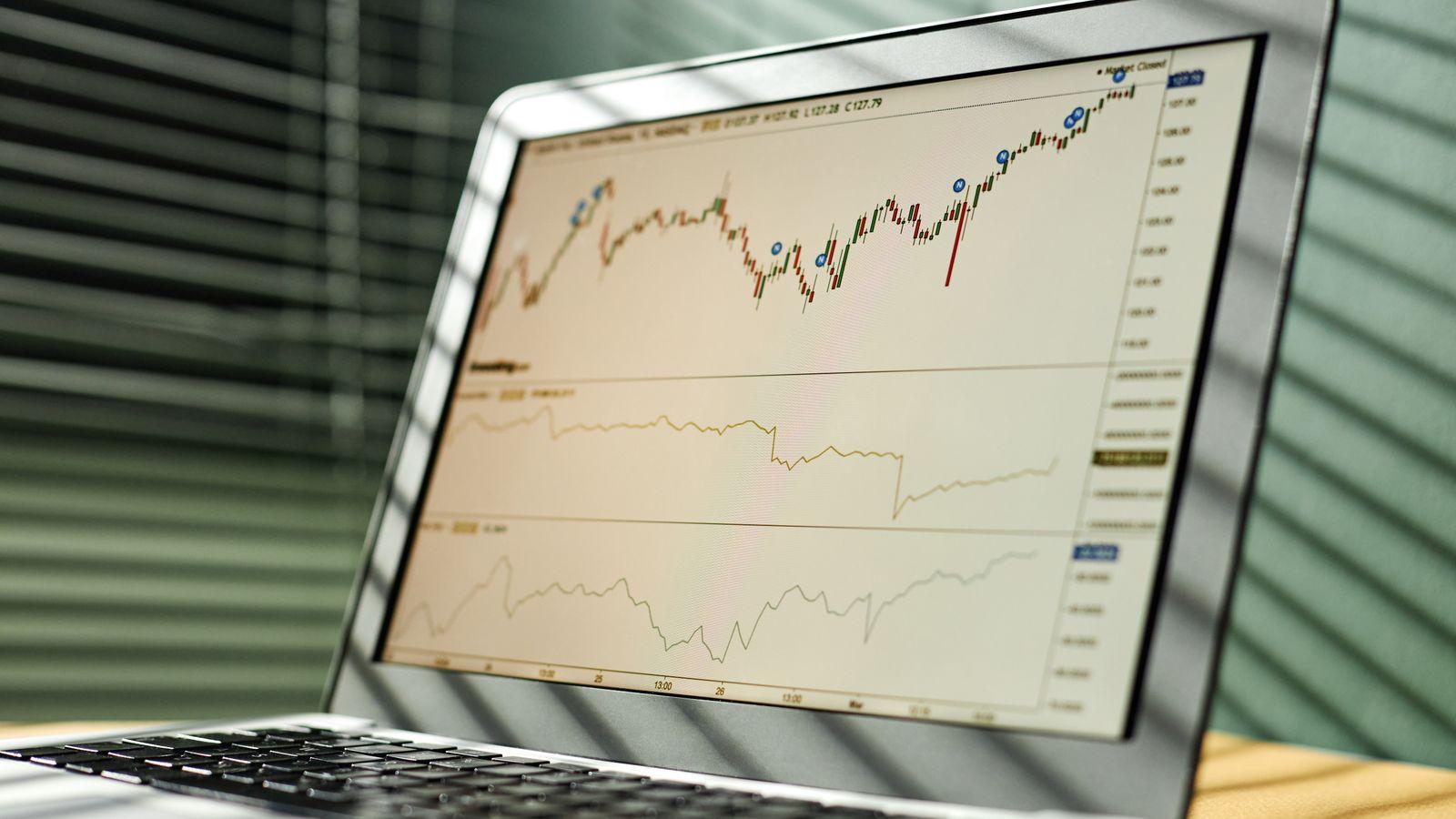
Ten days after global chip stocks lost more than $1 trillion in market value, the trade that produced the loss was leading the market again.
Stocks rose nearly 6% over four sessions at the start of August, propelled by quarterly results from Microsoft, Amazon and Alphabet that showed cloud revenue and capital spending both still accelerating. The S&P 500 returned to record territory, and the semiconductor names that had been at the center of July's selloff recovered a large share of their losses.
What the earnings actually said
The July panic rested on a specific claim: that hyperscaler capital budgets were near a peak. The reports made that claim harder to sustain. Combined capital spending across the largest cloud providers is running near $725 billion this year, with roughly three-quarters directed at AI infrastructure, and none of the three signaled a plan to slow.
Whether that spending eventually earns an adequate return is a different question, and it is the one that will decide this cycle. But it is a question about 2028, not about next quarter's orders.
The geopolitical tailwind
Sentiment was helped by hopes that the conflict that has disrupted Middle East oil flows since late February might be moving toward a durable settlement, with talks proceeding through intermediaries. Brent crude eased from its summer highs, and the inflation math that has kept the Federal Reserve frozen looked marginally friendlier.
Those hopes have proven fragile more than once this year. Each round of negotiation has produced a rally in equities and a decline in crude; each breakdown has reversed both.
The pattern of 2026
Three times this year the market has been told the AI investment cycle was ending — in March amid the oil shock, in July amid the chip selloff, and briefly in between. Each time, the drawdown has been sharp and the recovery faster than the decline.
That pattern is either evidence that the underlying demand is real, or evidence that a great deal of capital is now conditioned to buy dips in a single theme. The distinction will only be obvious in retrospect.