Nvidia's Year: $215.9 Billion in Revenue and a New Kind of Concentration Risk
The chipmaker's latest results beat expectations again, but the more striking number is its share of the entire S&P 500's earnings growth — a level of dependence the index has not carried before.
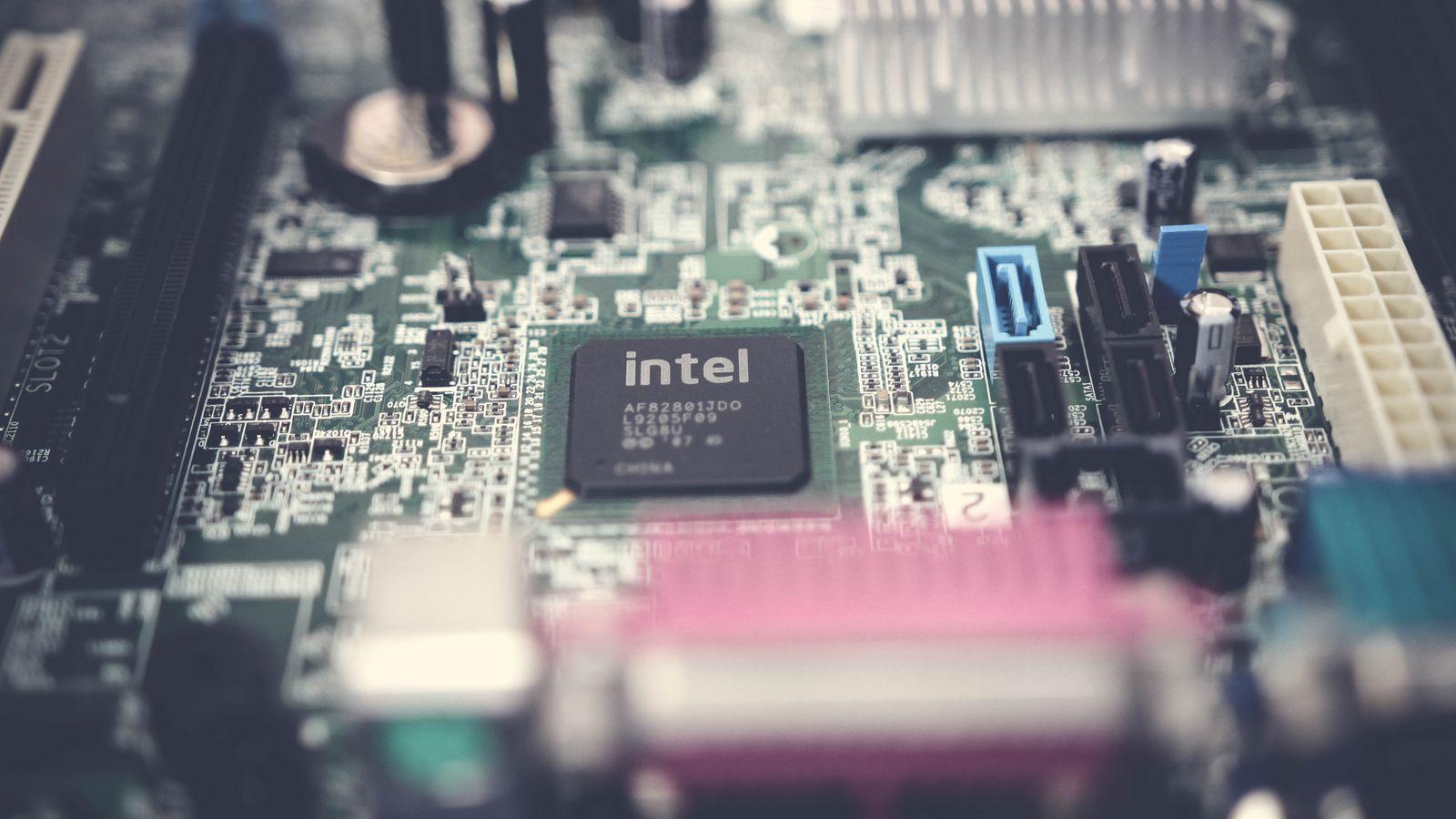
Nvidia reported quarterly revenue of about $81.62 billion, comfortably ahead of the roughly $78.86 billion analysts expected, extending a run of results that has made the company the most valuable in the world at a market capitalization near $5.34 trillion.
The quarter followed a fiscal year in which revenue grew about 65% to $215.9 billion and net income reached $120.1 billion — figures that would have been implausible for any semiconductor company a few years ago.
The stock has not kept pace with the business
Here is the oddity of 2026: Nvidia's fundamentals have compounded, and its shares have merely tracked the market. The stock is up somewhere in the low-to-high teens for the year, trading near $219, roughly in line with the S&P 500's advance.
That divergence between business performance and share performance usually means one thing — the market is compressing the multiple faster than earnings grow. Investors are paying less for each dollar of Nvidia's profit than they were a year ago, because they are less certain about how many years of profits like these lie ahead.
Why the index cares so much
Nvidia has contributed roughly 65% of the combined earnings growth of the largest technology companies this quarter. Strip it out, and the group's growth rate falls from above 30% to under 15% — close to the rest of the index.
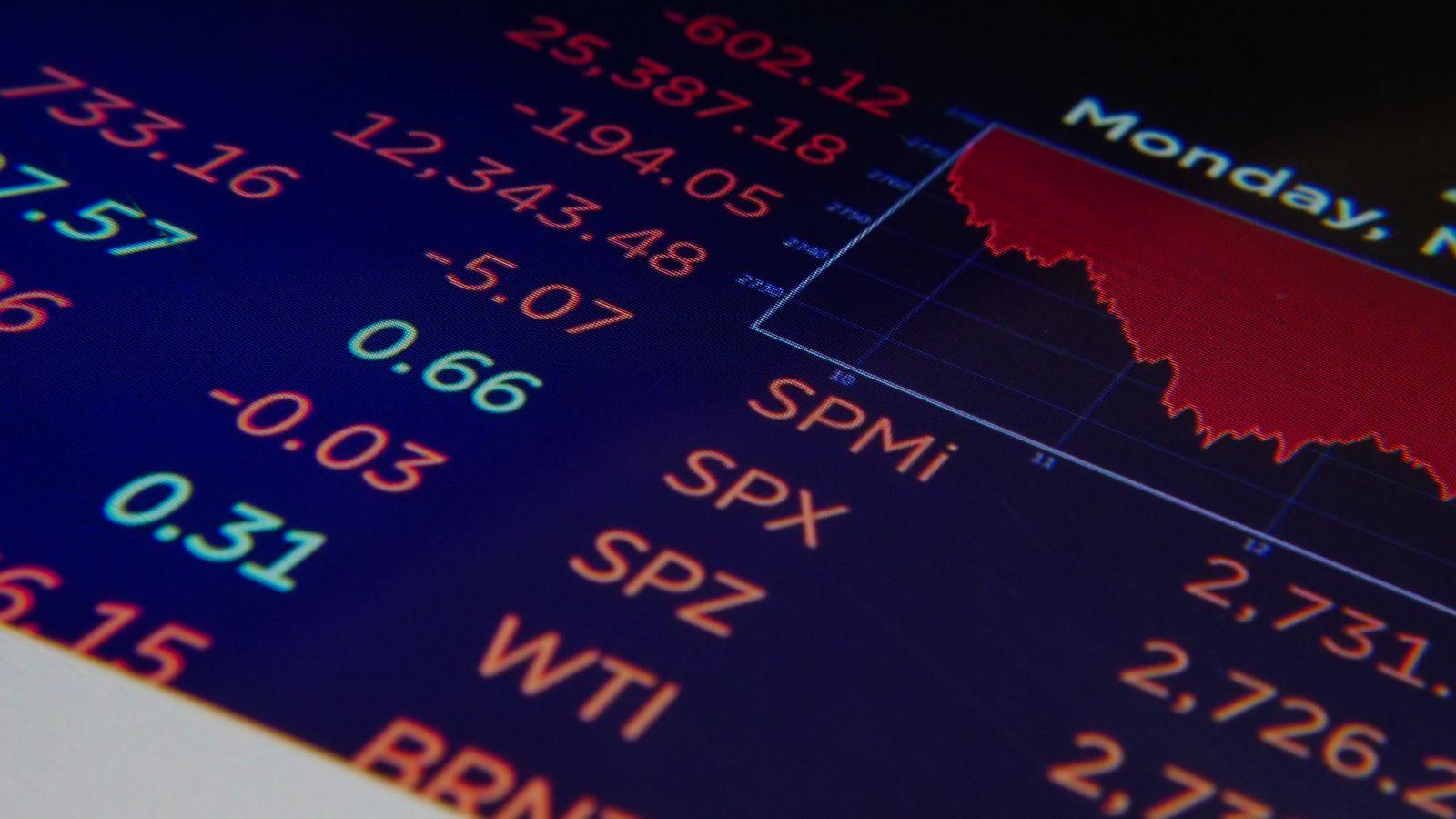
For a passive investor, this is a structural exposure rather than a stock pick. It also explains why the July selloff in semiconductors registered as a global equity event rather than a sector rotation.
The customer-concentration question
The buyers of Nvidia's most advanced systems are a short list of extremely large companies whose capital budgets are set annually and announced publicly. Combined hyperscaler spending is running near $725 billion this year, with roughly three-quarters aimed at AI infrastructure.
That visibility is a comfort until it isn't. A demand base concentrated in a handful of balance sheets can be revised in a single earnings season — which is exactly the possibility the market spent July pricing in, and August pricing back out.