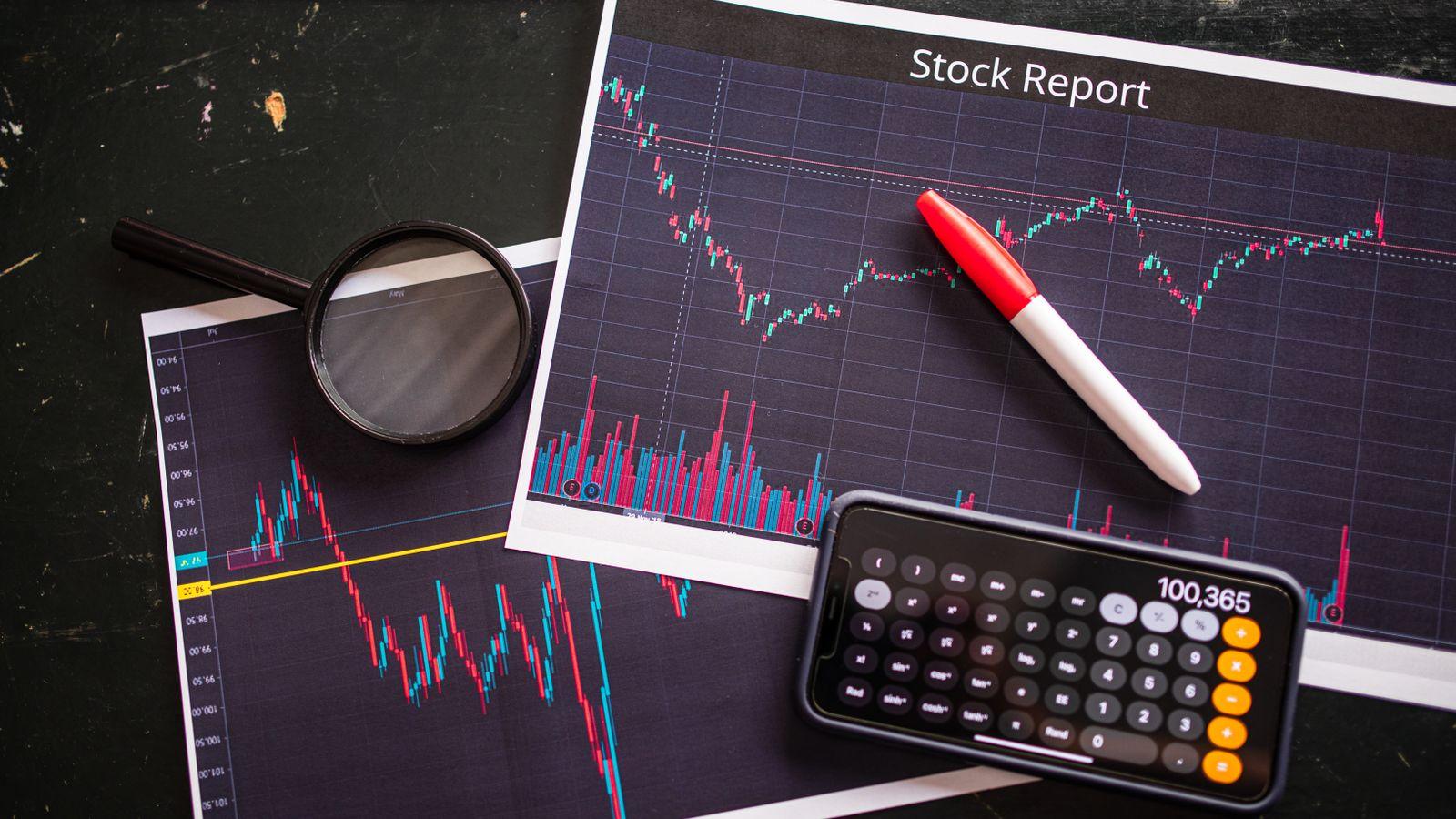
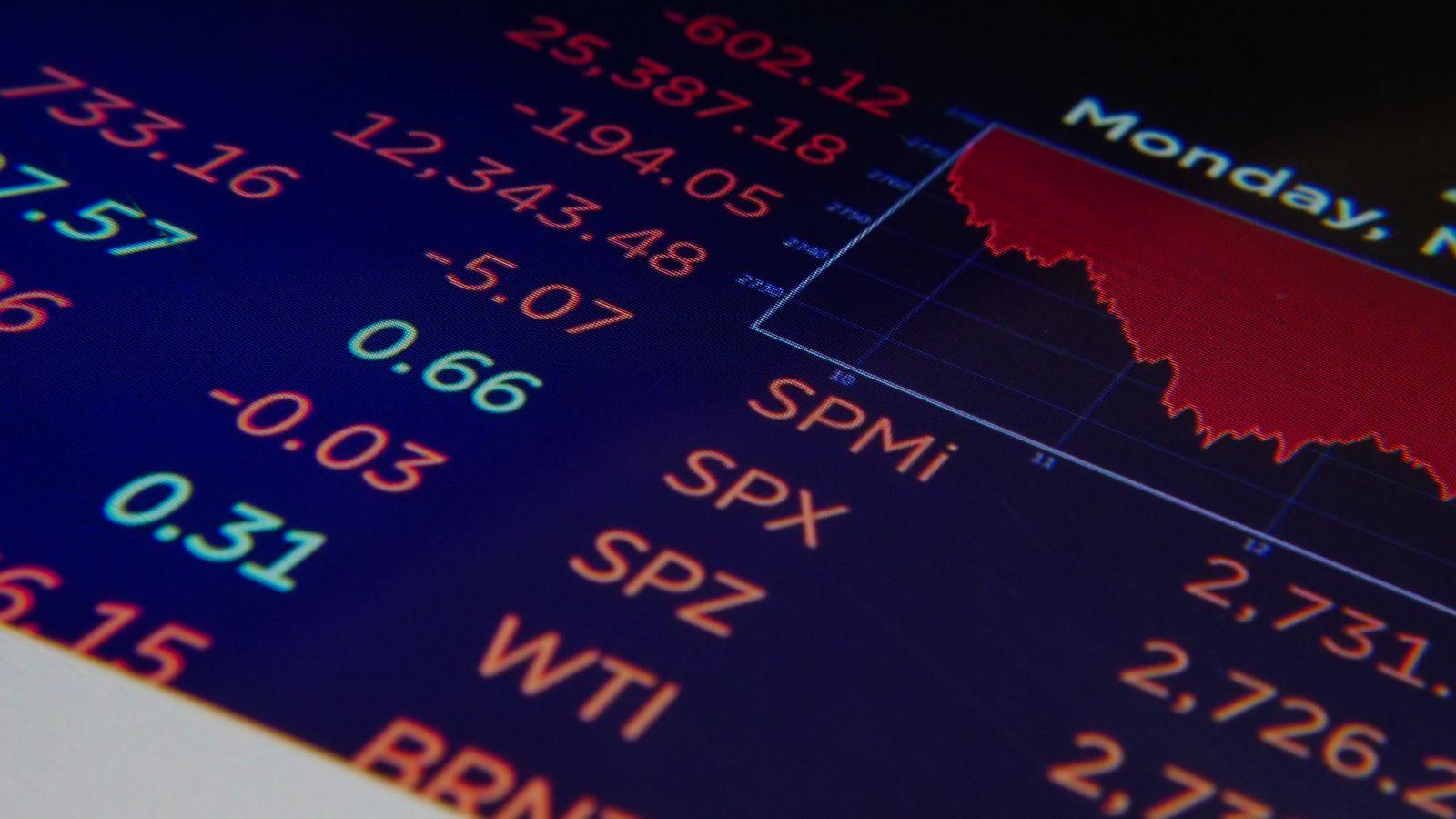
Energy Is the Year's Best Trade, and Refiners Beat the Majors
The S&P 500 energy sector has gained roughly 40% in 2026 as war-driven crude prices reset cash flows, with refiners and oilfield service companies outrunning the integrated giants.
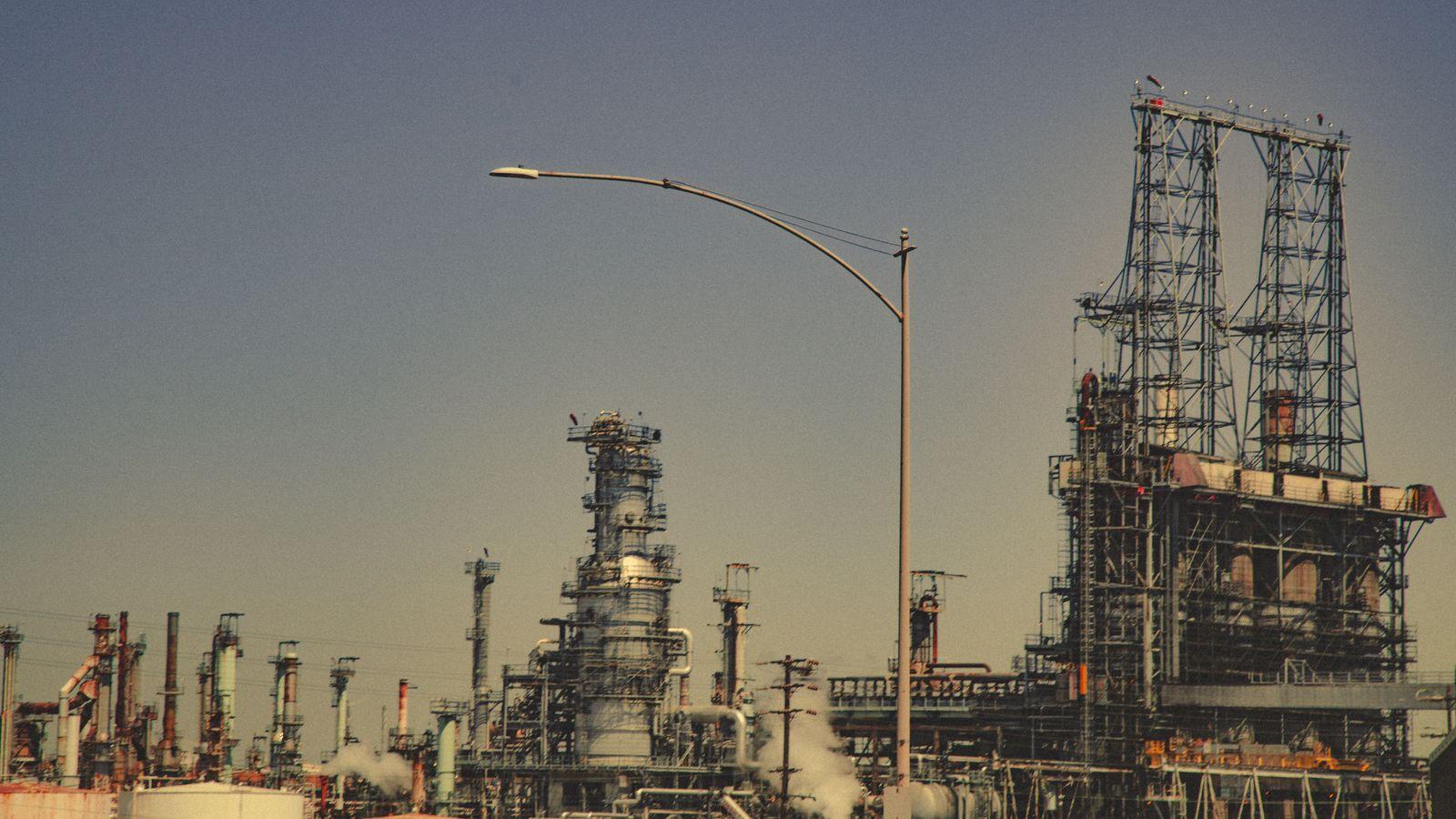
After a decade in which energy was the sector investors were most eager to underweight, it has become the defining trade of 2026. The S&P 500 energy group is up roughly 40% this year, far ahead of every other sector, as crude prices reset higher following the disruption of shipping through the Strait of Hormuz.
Cash today beats growth tomorrow
Part of the rally is mechanical: higher oil prices lift revenue for companies whose costs are largely fixed. Part of it is a change in what investors are willing to pay for.
Energy producers spent the past several years converting themselves into cash-return vehicles — restrained capital budgets, rising dividends, steady buybacks. In a market questioning how many years of AI capital spending lie ahead, businesses that generate cash now and distribute it have found a much friendlier audience than they had in 2021.
Chevron, for instance, raised its dividend for a 39th consecutive year and is on track for stronger free cash flow as prices hold.
The winners inside the winner
The surprise has been where the biggest gains landed. Not the integrated majors, which own reserves and are the standard way to express a bullish oil view, but refiners and oilfield service companies.
Refining margins widened as the disruption scrambled the geography of crude flows, creating regional mismatches between the grades available and the products needed. Service companies benefited from a burst of activity as producers outside the affected region moved to bring on supply.
The risk on both sides
An energy trade built on a conflict is a trade with a headline risk in both directions. A durable settlement in the Middle East that restores normal traffic through Hormuz would take a meaningful premium out of crude. Sustained escalation would push prices higher but would also deepen the demand destruction already visible in consumer spending data.
Positioning has grown crowded enough that fund managers now cite energy among their most consensus overweights — historically not a comfortable place to be.