Chip Stocks Shed More Than $1 Trillion in a Global AI Reckoning
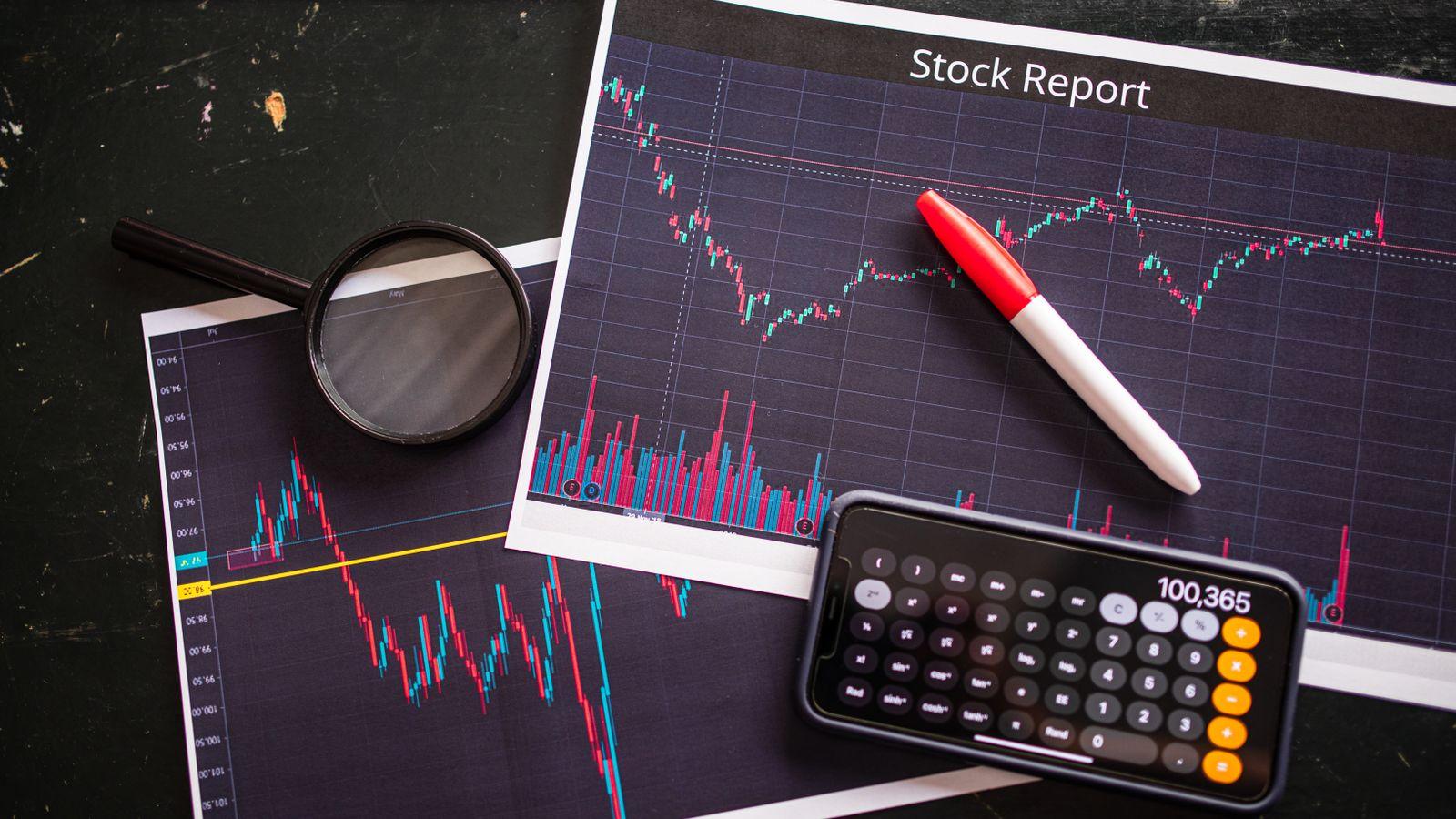
A July rout erased hundreds of billions from Nvidia, Samsung, SK Hynix and Micron, sent South Korea's market into circuit breakers and pushed the Nasdaq toward correction on fears that AI capital spending is peaking.
The semiconductor complex that carried global equity markets for three years spent July giving a large piece of it back.
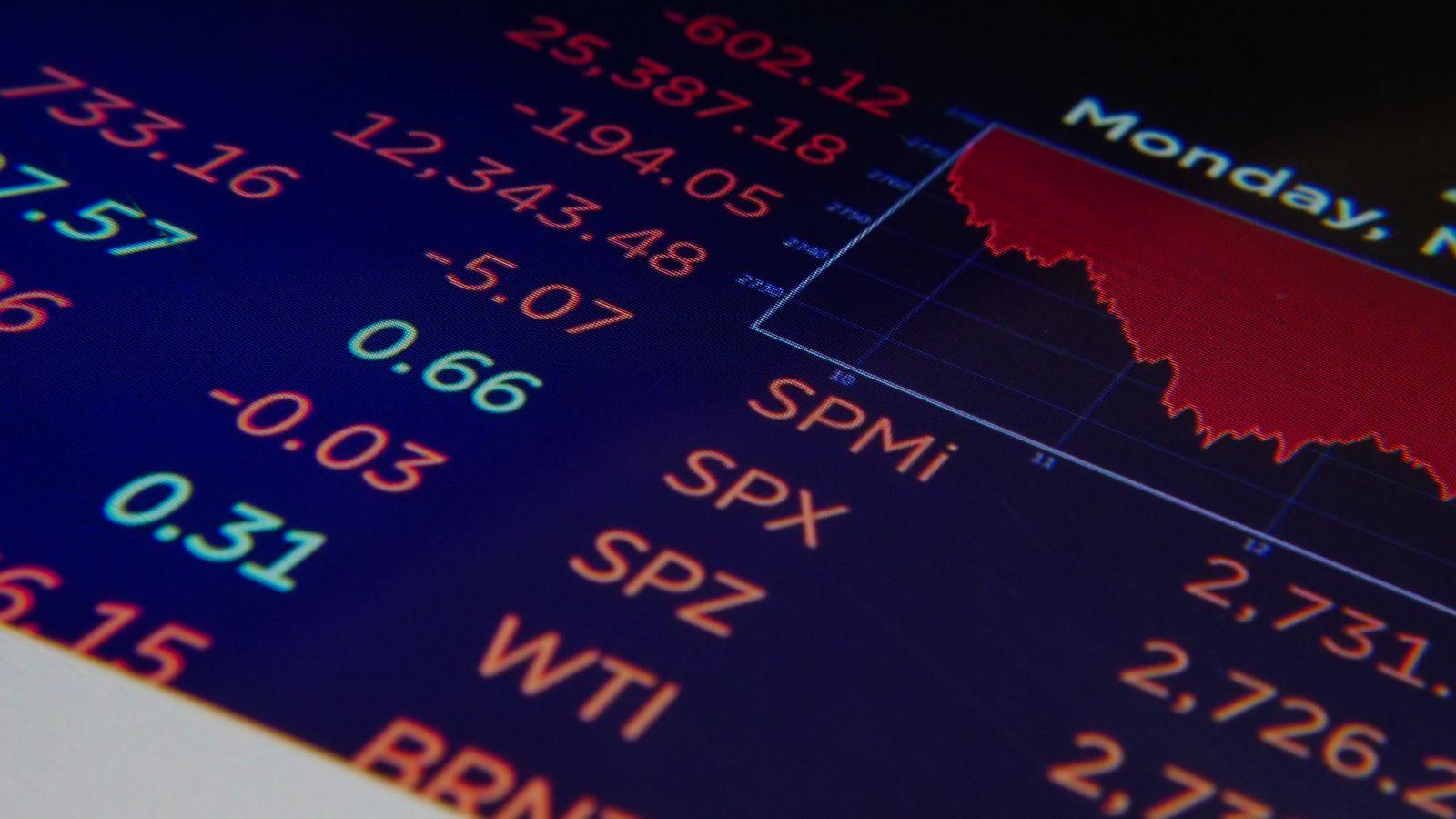
Chip stocks worldwide lost more than $1 trillion in market value over the month. Nvidia alone accounted for a $238 billion decline. SK Hynix shed roughly $176 billion, Samsung Electronics about $173 billion and Micron Technology some $113 billion. At the worst point, South Korea's KOSPI fell nearly 10% intraday, triggering circuit breakers, as its two memory giants dropped between 9% and 12%.
What broke
Nothing in the order books, at least not yet. What changed was the market's willingness to pay for them.
The Philadelphia Semiconductor Index had risen roughly 130% over the preceding twelve months. That kind of move prices in a long runway, and it leaves no margin for the possibility that capital spending on AI infrastructure might plateau rather than compound. When several analysts published notes questioning the durability of hyperscaler budgets, the positioning unwound violently.
One widely followed strategist's bubble-risk gauge hit 0.91, above the reading on the Nasdaq 100 itself and, by his own comparison, in territory last seen in June 2000.
The counter-evidence
The fundamental data available during the selloff pointed the other way. Third-quarter contract prices for DRAM were settling 20% to 30% higher. Google and Meta had signed multi-year agreements locking in memory volumes and prices for five years — the kind of commitment buyers make when they expect scarcity, not glut.
That tension is what makes this correction hard to read. Prices are falling in a market where physical supply remains short.
What it says about concentration
The episode was also a lesson in market structure. A handful of companies now carry so much index weight that a repricing of one theme registers as a global equity event. Investors in a broad U.S. index fund, a Korean pension and a European technology ETF discovered they owned versions of the same trade.
The Nasdaq briefly approached correction territory. By early August, results from the largest cloud companies had restored much of the loss, and the S&P 500 was setting records again — a reminder that in a market this concentrated, both directions travel fast.