There Are More Homes for Sale, and Buyers Are Taking Their Time
Listings ran roughly 7% above last year in February, and agents describe buyers who are slower, more payment-focused and considerably more willing to walk away than in any market since 2019.
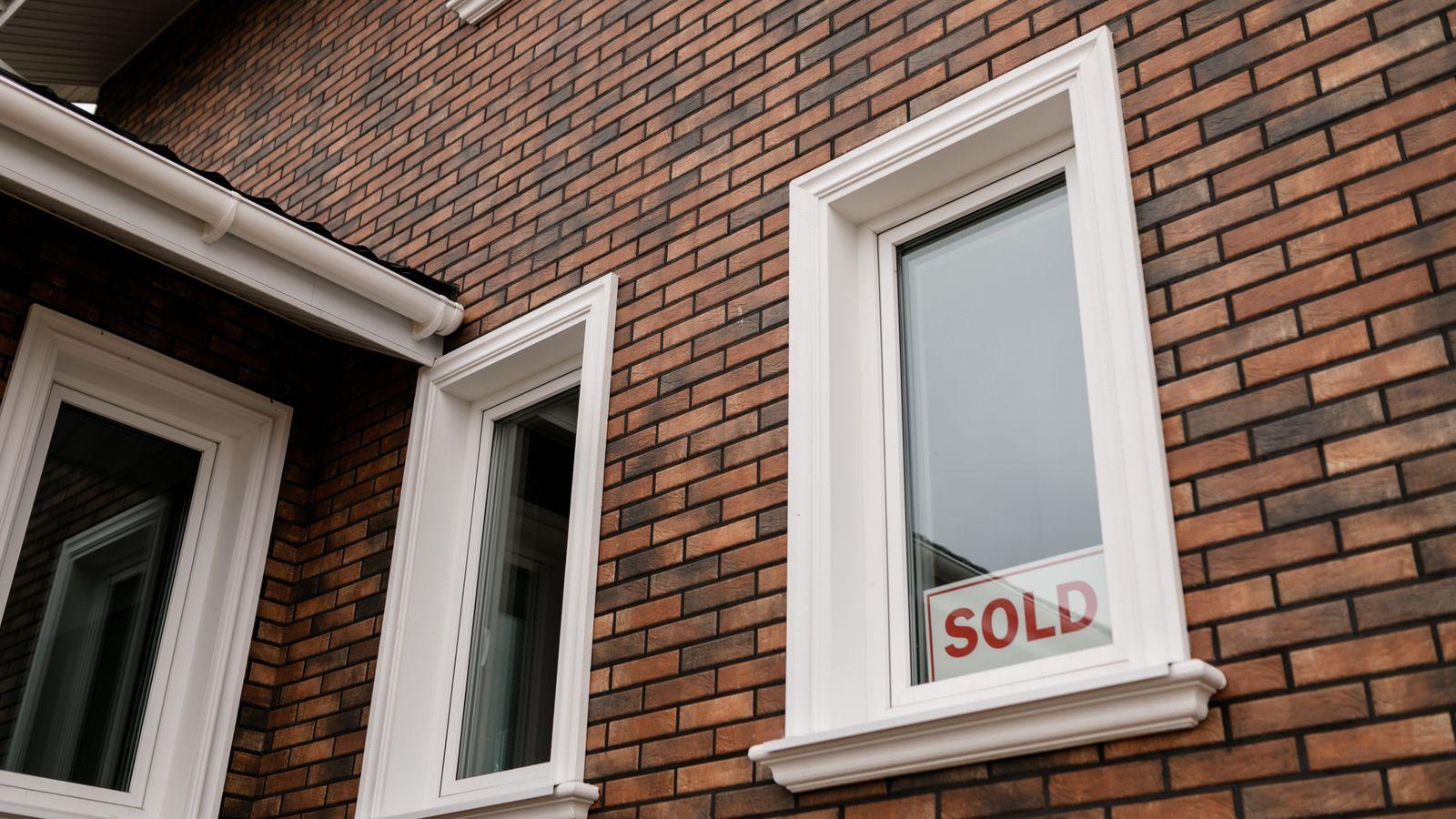
Housing inventory has been improving for two years, and in February it stood roughly 7.1% above the same month a year earlier. That is genuine progress from the extraordinary scarcity of 2021 and 2022.
It is also not enough. The ratio of inventory to sales remains below historical norms, and analysts estimate the market needs an additional 300,000 to 500,000 listings nationally to function like a normal one — a market where a buyer can consider several houses without feeling that hesitation costs them the purchase.
The behavior change
What agents describe is less a change in demand than a change in tempo. Buyers are active but slower. They are focused on the monthly payment rather than on the price. They ask about insurance quotes and property tax assessments before making an offer, which was rare three years ago. And they are much more likely to walk away over inspection findings.
That last shift matters most for sellers. In a scarcity market, buyers waive inspections and accept deferred maintenance. In this market, a roof at the end of its life is a negotiation, and in some cases a deal-breaker — because the buyer's insurance quote depends on it.
Where the inventory is coming from
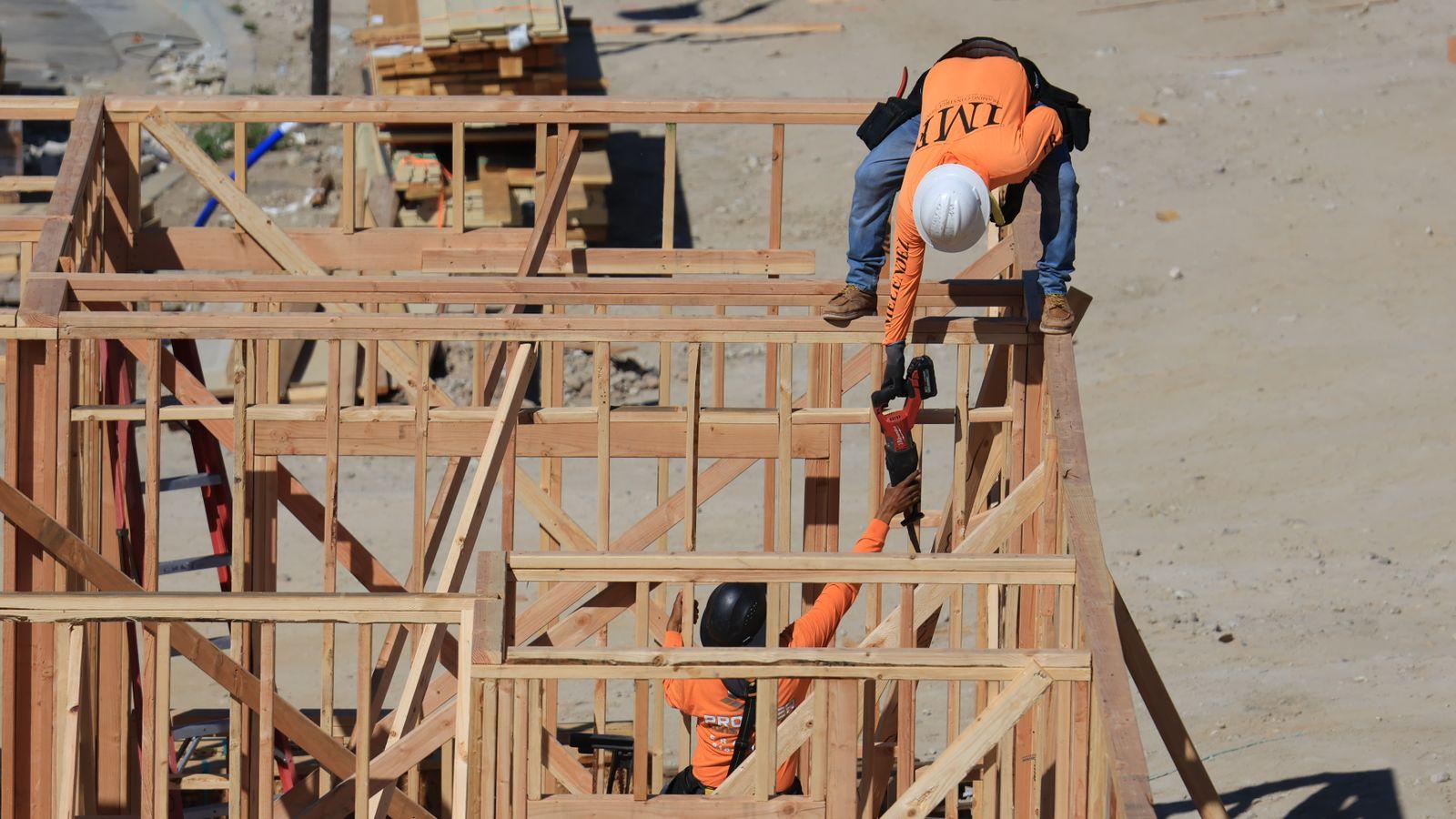
Three sources, in rough order of size. New construction, which builders are aggressively marketing with rate buydowns and price cuts. Life-event sellers — divorce, death, relocation, retirement — who transact regardless of rates. And, increasingly, owners who bought in 2021 and 2022 at higher prices with adjustable or high-rate financing and are now moving.
What is still missing is the large population of owners holding mortgages below 4%. With current rates near 6.7%, moving means roughly doubling the interest cost on a comparable house. Most are staying put, and that lock-in remains the single largest constraint on the resale market.
The price implication
More listings and slower buyers would ordinarily mean falling prices. Prices have instead been roughly flat, with the median existing-home price in the vicinity of $430,000.
The explanation is composition. The buyers who remain in the market are the ones who can afford it, and they are not bidding on the low end of the price distribution — which is where the shortage remains most acute.