Home Insurance Rises for a Fifth Straight Year
Average premiums are projected near $3,057 this year after a 12% jump in 2025, leaving the cost of coverage roughly 46% higher than in 2021 — about three times cumulative inflation.

American homeowners will pay more for insurance this year, for the fifth consecutive year. Average annual premiums are projected to rise about 4%, to roughly $3,057, following a 12% increase in 2025.
Cumulatively, premiums are up roughly 46% since 2021 — approximately three times the rise in consumer prices over the same period.
The three drivers
Losses. Severe weather events have become both more frequent and more expensive, and the expense is not only about intensity. Development has put more valuable property in exposed locations.
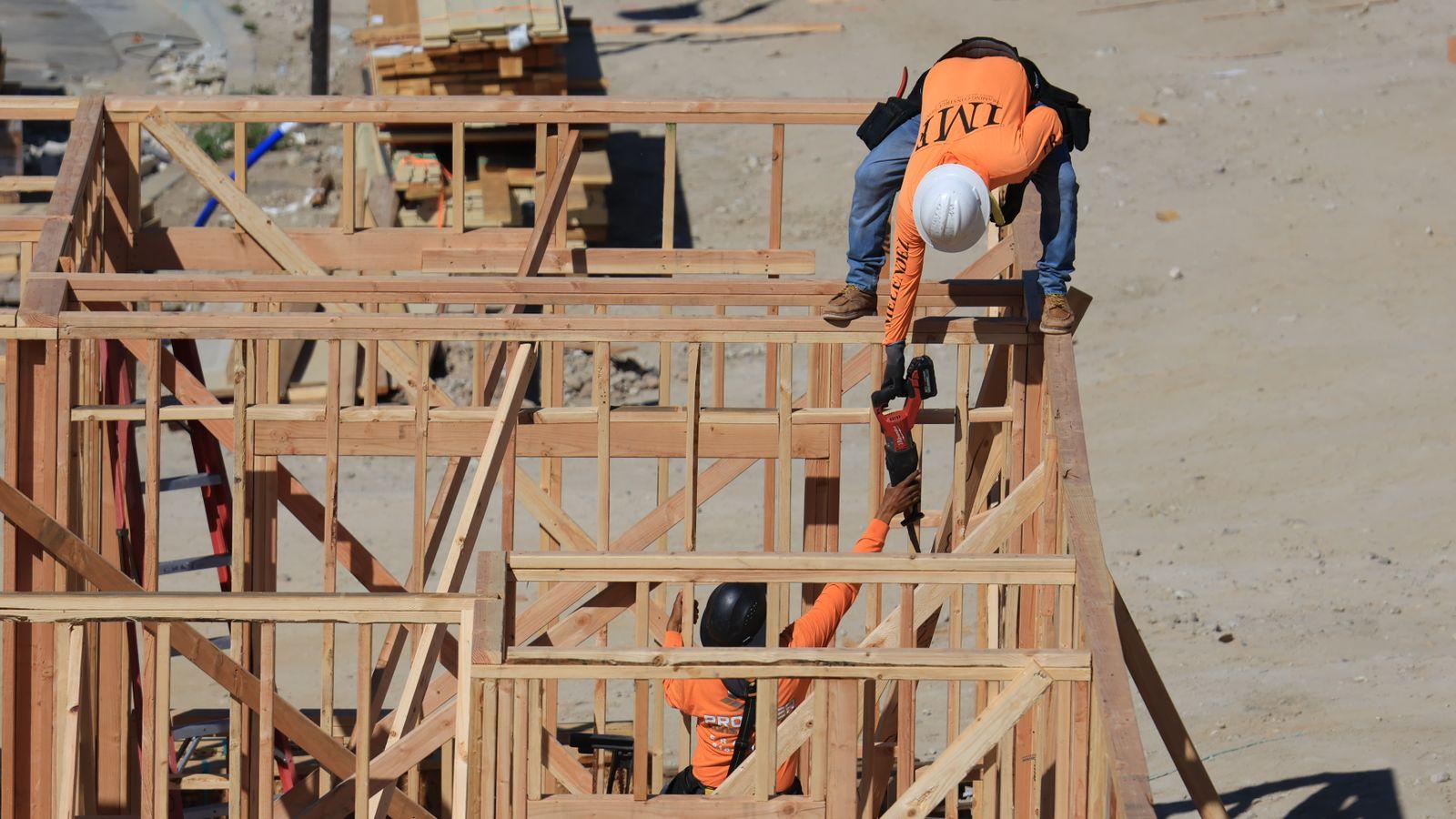
Rebuilding costs. A claim is paid at the cost to rebuild, not at the price the house sold for. Construction labor, materials and now tariff-affected imported inputs have all risen faster than general inflation.
Reinsurance. Insurers buy their own coverage, and reinsurance pricing has hardened globally. That cost passes directly into retail premiums.
The geography of the increases
The national average conceals enormous variation. Premiums are projected to rise 10% or more in several states, with California facing one of the steepest expected increases at roughly 16%.
The states seeing the largest increases are generally those where the insurance market has been under stress for years: wildfire exposure in the West, hurricane exposure along the Gulf and Southeast coasts, and severe convective storms across the middle of the country.
What it does to housing
Insurance is escrowed into the monthly mortgage payment. A premium that rises $500 raises the payment about $42 a month regardless of what the Federal Reserve does with interest rates.
For buyers at the edge of qualification, insurance quotes have started to determine whether transactions close. Lenders underwrite the full payment, and a quote that comes back higher than assumed can disqualify a borrower after an offer has been accepted.
For existing owners on fixed incomes, the increases compound. A retiree whose mortgage is paid off still faces rising premiums and rising property taxes, which is the arithmetic behind the property tax revolt now underway in a dozen state capitals.
What homeowners can control
Not much, but not nothing. Deductibles are the largest lever, and raising them shifts risk back to the household. Mitigation — roof replacement, defensible space, storm shutters — earns discounts in a growing number of states. Shopping the policy annually has become worthwhile in a way it was not when rates moved slowly.