The Tightest Real Estate Market in America Is for Computers
Colocation vacancy fell to roughly 1.2% in the first quarter, most new supply is pre-leased before it is built, and utility interconnection queues of two to four years now dictate site selection.
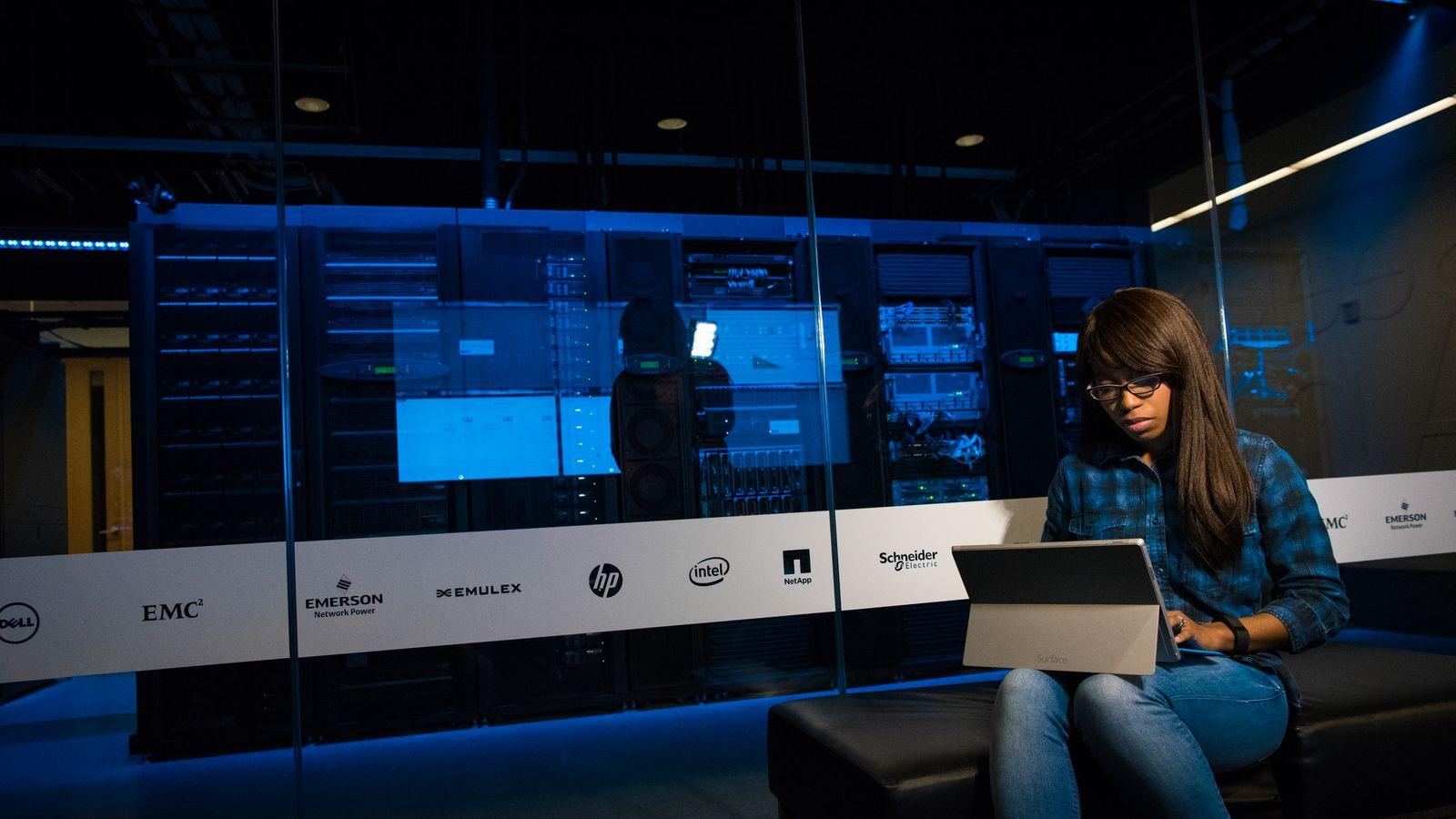
Every other category of American commercial real estate is negotiating with its tenants. Data centers are turning them away.
Colocation vacancy across U.S. markets fell to roughly 1.2% in the first quarter, the tightest level in at least a dozen years. Most new supply is leased before construction finishes, and pricing has reached records in nearly every major market.
Power is the asset now
The industry's constraint has shifted from land to electricity. Utility interconnection timelines of two to four years are standard in core markets, and a project requiring new high-voltage transmission or additional generation can wait considerably longer.
That has changed how development works. Site selection now begins with the utility rather than with the parcel, and developers increasingly secure power commitments before acquiring land. In practice, a data center developer is a power broker who also pours concrete.
The scale involved is difficult to convey. Campuses designed around 500 megawatts or more of capacity are now routine in the planning stage — a single project drawing as much electricity as a small city, on a construction timeline measured in years.
The pricing inversion
For most of the industry's history, large tenants received volume discounts. A commitment above 10 megawatts came with better economics per unit.
That has reversed. Tenants seeking large contiguous blocks — AI developers, GPU-as-a-service providers, model training operations — now pay premiums for scale, because contiguous capacity is the scarcest thing in the market.
Where it collides with everything else
Two conflicts follow directly.
The first is with ratepayers. Retail electricity prices reached records this year, and state commissions across the country are working through how much of the cost of serving very large new loads should be borne by those loads rather than spread across all customers.
The second is with the rest of commercial real estate. Office buildings sit at record delinquency rates in securitized pools while data center space is unobtainable. The temptation to convert one into the other is obvious — and, for most office buildings, physically impractical, because the power, cooling and floor-loading requirements are nothing alike.