California's Insurer of Last Resort Now Carries $700 Billion in Exposure
Residential policies at the state's FAIR Plan have risen roughly 151% since 2022 as private carriers retreat, though new enrollment slowed sharply in the first quarter.
California created its FAIR Plan as a narrow backstop for homeowners who could not buy coverage anywhere else. It has become one of the largest property insurers in the state.
Residential policies have risen roughly 151% since September 2022, and the plan's risk exposure has climbed about 234%, to something on the order of $700 billion. There is one sign of relief: policy growth slowed to about 2.4% in the first quarter of this year, down sharply from the 35,000 to 50,000 policies a quarter it was adding through 2024 and 2025.
How a backstop becomes the market
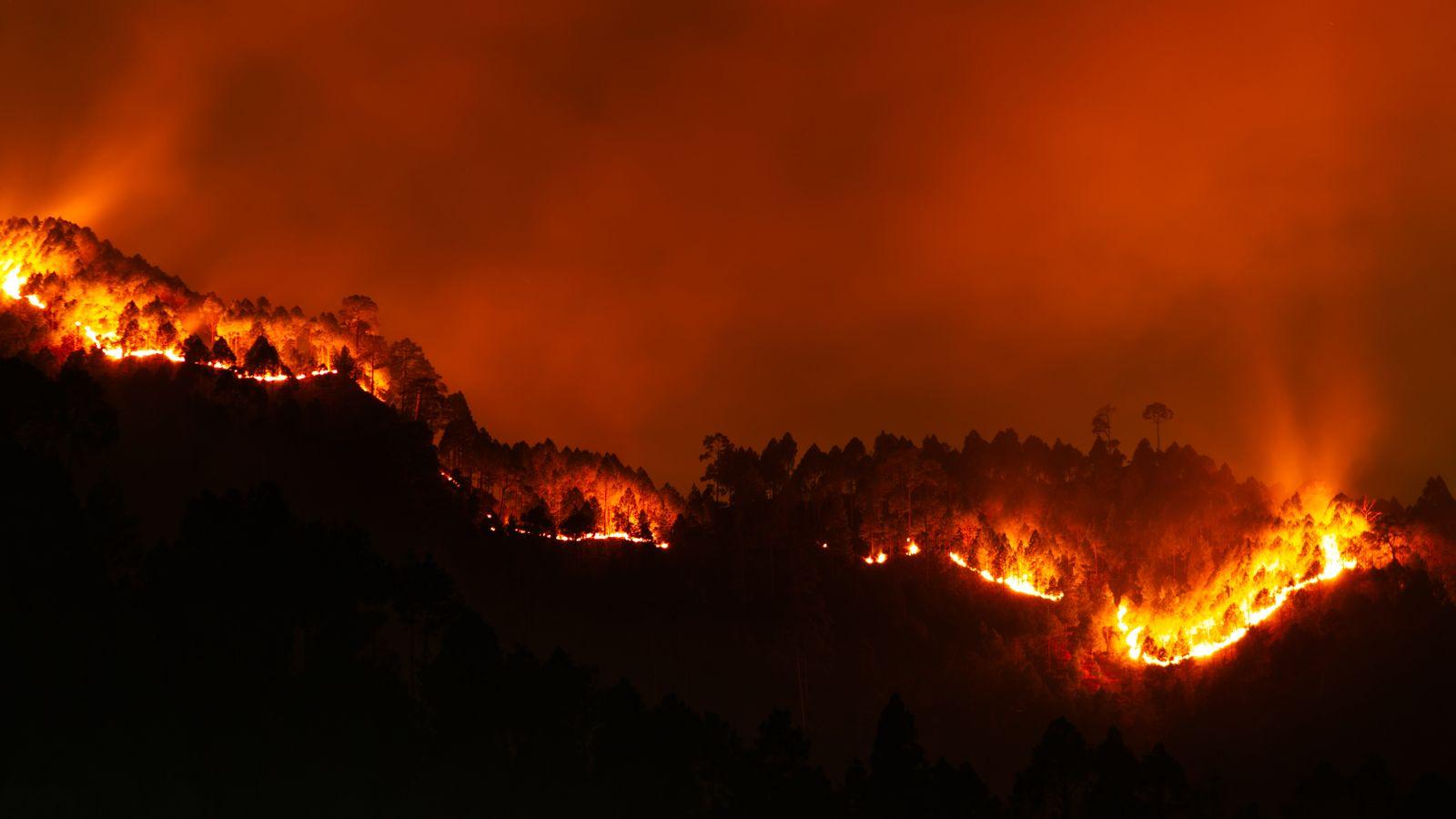
Insurers price risk. When the price they need exceeds what regulators will approve, they stop writing policies — first in the highest-risk areas, then in adjacent ones, and eventually in places whose wildfire exposure is modest.
That progression is what has happened. Coverage has been withdrawn from neighborhoods the state does not classify as high-risk, pushing homeowners with ordinary exposure into a plan designed for extraordinary cases. The result is expensive, limited coverage — the plan's basic policy excludes perils that a standard homeowner policy includes, requiring a supplemental policy to fill the gap.
The concentration problem
The plan's exposure is not evenly spread. Nine ZIP codes out of more than 1,700 account for roughly 7% of its liability — about $44 billion — and exposure in those areas has more than doubled since 2022.
Those are largely high-value coastal and canyon neighborhoods, which is what makes the arithmetic politically difficult. If the plan's losses exceed its resources, the shortfall is assessed on insurers operating in the state, who pass it through to every policyholder. Ordinary homeowners statewide can end up funding losses concentrated in a small number of expensive places.
The reforms
A bipartisan package signed in the autumn of 2025 gave the plan new financing mechanisms to pay claims faster, added oversight and expanded coverage to categories including manufactured homes. Regulators have also moved to let insurers use catastrophe models and reflect reinsurance costs in rates — the trade being that carriers must write more business in distressed areas in exchange.
Whether that trade brings private capital back is the central question in American property insurance, because the same dynamic — retreat, then a swelling public backstop — is now visible in Florida, Louisiana and, increasingly, in states where the peril is hail rather than fire.