Build-to-Rent Slows After Three Years of Expansion
Single-family homes built specifically to rent cooled at the start of the year, as the same cost pressures halting apartment construction reached the sector that had been absorbing priced-out buyers.
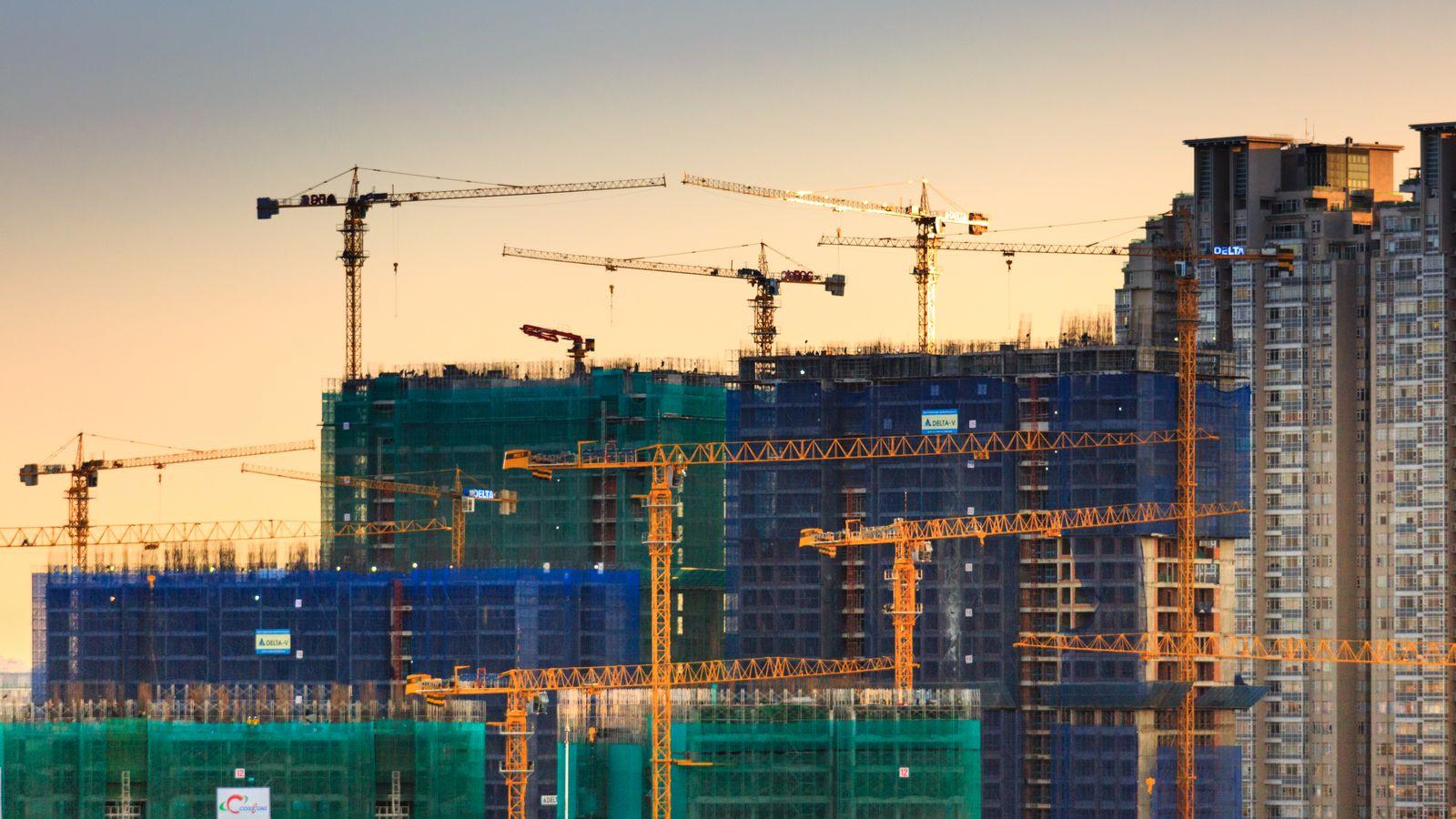
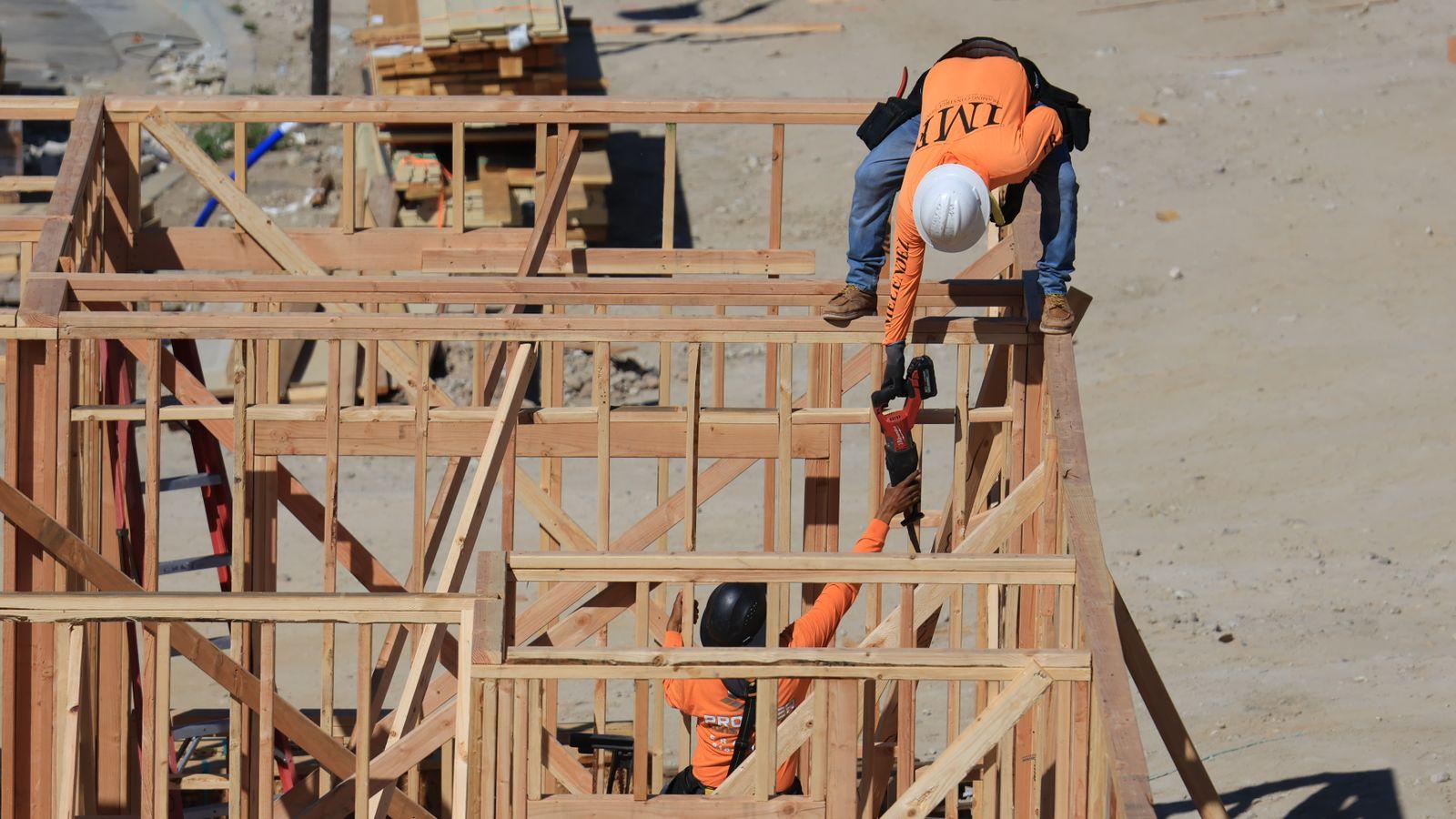
Single-family build-to-rent construction — houses built from the outset as rentals rather than for sale — slowed at the start of 2026, ending a run of expansion that had made it one of the fastest-growing segments of American housing.
The sector grew for a straightforward reason: it served households that wanted a house with a yard but could not qualify to buy one. With mortgage rates near 6.7%, median prices around $430,000, and insurance and tax costs rising sharply, that population has grown every year since 2022.
Why it is cooling now
The same arithmetic that stopped apartment construction. Land, materials, labor and construction financing have all become more expensive, while rents have flattened as the national rental vacancy rate climbed to roughly 7.3%.
A build-to-rent community works when projected rent supports the cost of construction plus a return on capital. When rents stop rising and costs keep climbing, the projects stop penciling — and developers move to the next market or stop.
The political dimension
Build-to-rent occupies a contested position. Supporters point out that it adds housing units, which is the only thing that durably improves affordability, and that it provides single-family living to households that cannot buy.
Critics argue that institutional ownership of single-family housing competes with first-time buyers for the same product and converts a wealth-building asset into a rent stream. Several state legislatures have considered restrictions on large-scale investor ownership of single-family homes.
The empirical answer is that new construction and the purchase of existing homes are very different activities. A company that builds 200 houses adds 200 houses. A company that buys 200 existing houses does not.
What the slowdown means
Fewer rental houses delivering in 2028, into a market where the population of would-be buyers who cannot qualify keeps growing.
That is the same pattern visible in apartments, in single-family construction and in the resale market: current conditions suppress the supply that would relieve future conditions, which is how housing shortages become chronic rather than cyclical.