Spot Bitcoin ETFs Post Their First Negative Half-Year
U.S. funds shed roughly $5.4 billion in the first six months of 2026 after two years in which they absorbed nearly $57 billion, reversing the demand channel that defined the last cycle.
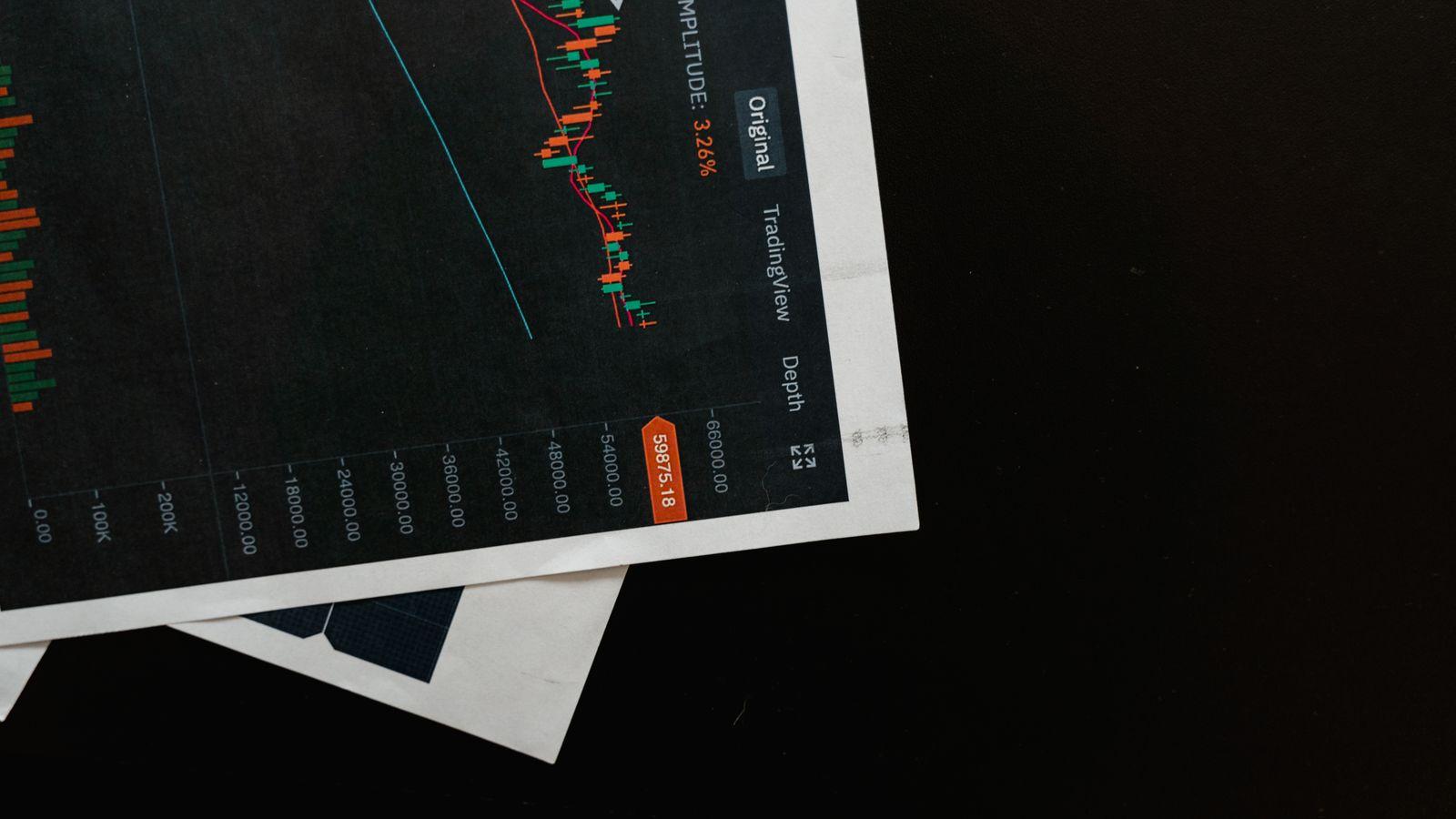
U.S. spot bitcoin exchange-traded funds recorded roughly $5.4 billion in net outflows during the first half of 2026 — the first negative half-year since the products launched in January 2024.
The contrast with their history is stark. Over their first two years, the same funds accumulated something on the order of $56.6 billion in net inflows, a demand channel that did more to drive the 2024 and 2025 rally than any other single factor.
Why the reversal matters more than the amount
Five billion dollars is not large relative to bitcoin's market value. Its significance is what it says about who owns the asset and why.
The ETF structure brought in allocators who size positions as a small percentage of a diversified portfolio and rebalance on a schedule. That was celebrated as institutional adoption. It also means the holder base now behaves like every other institutional holder base: it reduces exposure when volatility rises and when the asset underperforms.
Filings have shown that pattern in practice. One large trading firm cut its ETF holdings by roughly 70% in the first quarter; a major bank trimmed its position by about 10%.
The feedback loop
Research circulating this year estimates that ETF creations and redemptions now explain roughly 45% of weekly bitcoin price movement.
That is a remarkable concentration of price discovery in a product category that did not exist three years ago, and it creates a loop: outflows push the price down, the lower price triggers rebalancing and stop-losses, which produces further outflows.
The loop runs in the other direction too, which is what made 2024 and 2025 feel so relentless on the way up.
What would break the pattern
Renewed inflows, which require either a price catalyst or a change in allocation policy at the large wealth platforms. Several of those platforms only recently approved crypto ETFs for their advisers' clients, which means the potential buyer base continues to expand even as current holders sell.
That tension — expanding access into contracting demand — is the crypto market's central question for the rest of the year.