Kevin Warsh Sworn In as Fed Chair, With Powell Staying on the Board
The 17th chair of the Federal Reserve took the oath at the White House, ending Jerome Powell's eight-year run at the top of the central bank — though not his service as a governor.
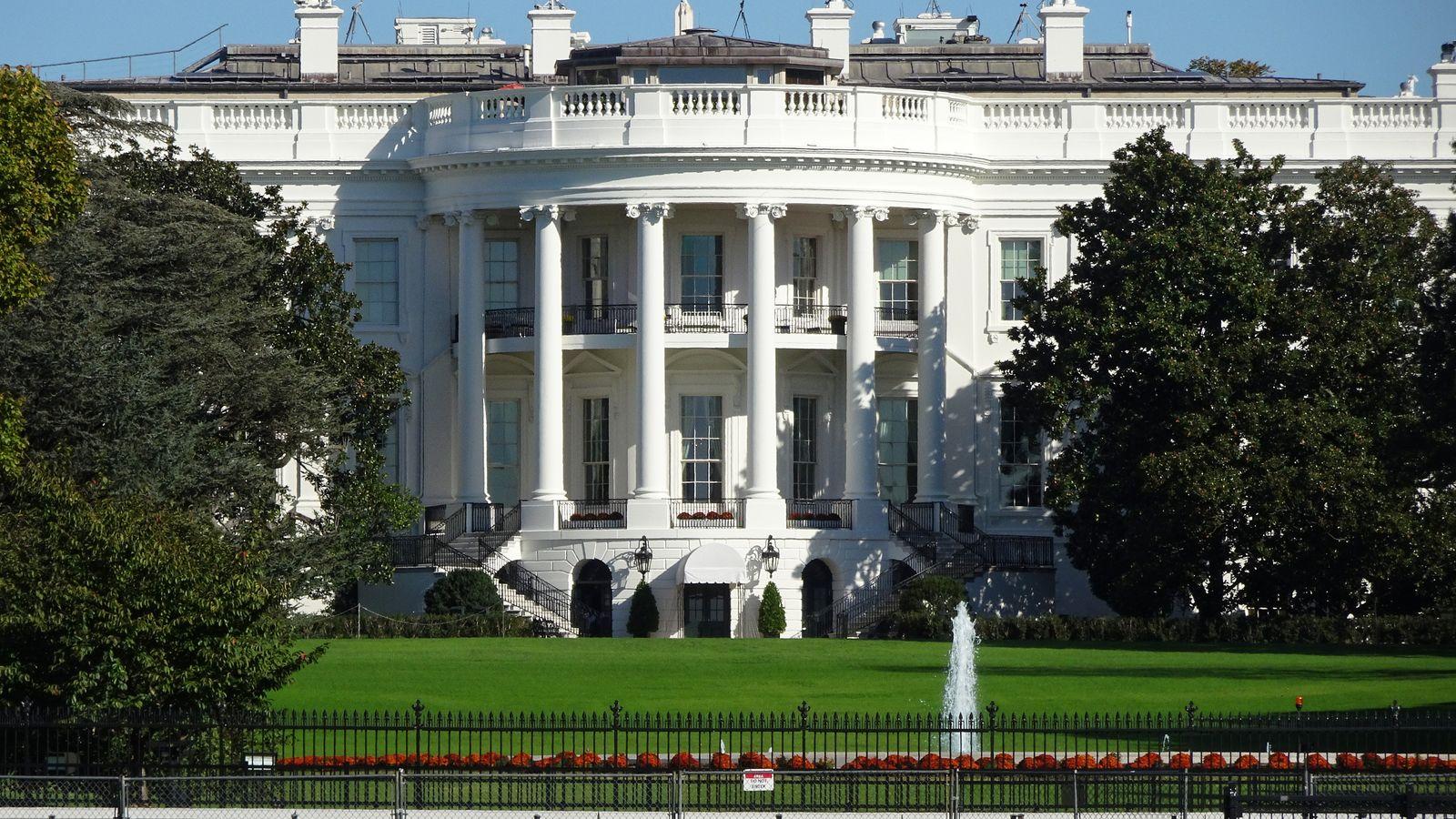
WASHINGTON — Kevin Warsh was sworn in Friday as the 17th chair of the Federal Reserve, taking the oath at a White House ceremony administered by Supreme Court Justice Clarence Thomas and formally ending Jerome Powell's tenure atop the central bank.
Warsh, 56, served as a Fed governor during the financial crisis before spending more than a decade outside government. His four-year term as chair runs to May 2030.
An unusual handover
The transition included two details without much precedent. For a week between the expiration of Powell's term as chair and Warsh's swearing-in, the Fed's board designated Powell as chair pro tempore so that the institution would not be without a presiding officer.
More striking, Powell is not leaving the building. His separate term as a governor extends beyond his time as chair, and he has chosen to serve it out — the first former chair to remain on the board in roughly three-quarters of a century.
That arrangement gives the committee a member with eight years of institutional memory sitting a few seats from a new chair appointed by a president who spent much of the past two years criticizing the Fed's decisions. How the two men divide the informal authority that comes with the chair's chair is one of the more interesting open questions in Washington economics.
The inheritance
Warsh takes over an institution in an awkward spot. The federal funds rate sits at 3.50% to 3.75% after three cuts in 2025. Inflation has re-accelerated on the back of an energy shock. The labor market is barely growing. And the Fed's own policymakers are openly split on which risk deserves priority.
He also inherits a communications problem. Markets have grown used to a chair who explained the committee's reaction function in granular detail at every press conference. Warsh has historically been more skeptical of forward guidance, arguing it can lock policymakers into commitments the data later contradicts.
What changes, what doesn't
The chair controls the agenda and the tone of the discussion but holds only one of twelve votes. The regional bank presidents who dissented at recent meetings will keep voting their own read of the data. Any durable shift in policy will have to be built, not announced.