Senate Confirms Warsh to Lead the Fed in the Closest Vote the Job Has Seen
The 54-45 tally made Kevin Warsh the most divisively confirmed Federal Reserve chair in the institution's history, with Pennsylvania's John Fetterman the only Democrat to vote yes.
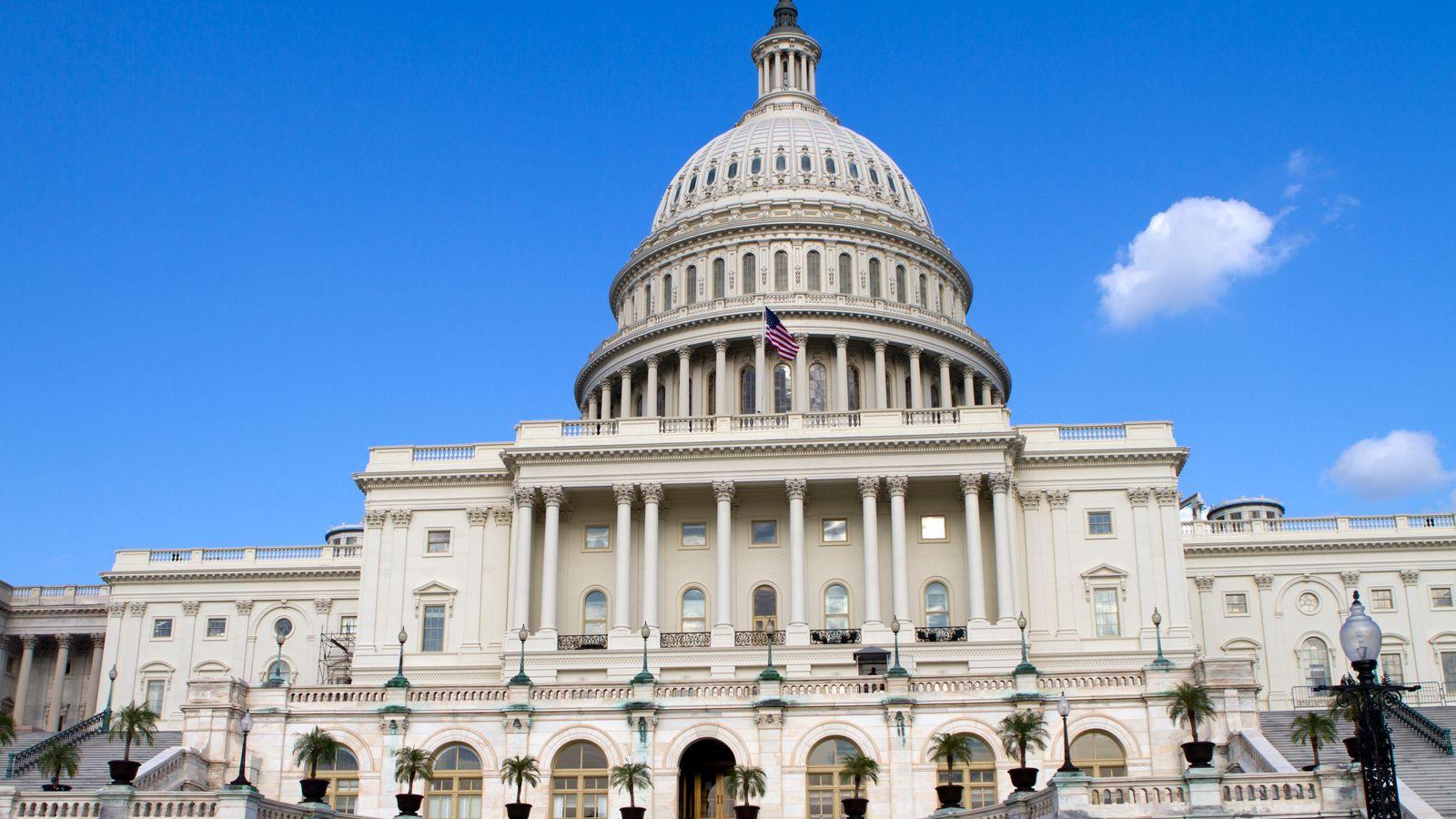
WASHINGTON — The Senate confirmed Kevin Warsh as the next chair of the Federal Reserve on Wednesday by a vote of 54 to 45, installing a longtime critic of the central bank's crisis-era balance sheet at its head and setting a record for the narrowest confirmation the position has ever received.
Senator John Fetterman of Pennsylvania was the only Democrat to join Republicans in supporting the nomination, which President Trump announced in late January.
Why the vote was close
Fed chairs have historically drawn wide bipartisan majorities, a reflection of the norm that monetary policy sits outside ordinary partisan combat. That norm has frayed. Democrats used the confirmation hearings to press Warsh on whether he would resist political pressure to lower rates, and on his past arguments that the Fed's asset purchases distorted markets and blurred the line between monetary and fiscal policy.
Republicans, in turn, framed the nomination as a corrective — an argument that the central bank misjudged the inflation of the early 2020s and needs leadership willing to say so.
What Warsh has argued
Warsh served as a Fed governor from 2006 to 2011, a stretch that covered the collapse of Bear Stearns and Lehman Brothers and the first rounds of quantitative easing. He left skeptical of the program he had helped approve, and spent the following decade writing that an oversized balance sheet made the Fed a permanent player in credit allocation.
He has also been consistently critical of forward guidance, arguing that detailed promises about future rates constrain a committee that should stay free to change its mind.
The immediate task
The incoming chair inherits a rate-setting committee that has been holding since January and a divided one at that. Inflation is running above target, hiring has slowed, and the energy shock that hit in the spring has scrambled the usual relationship between growth and prices.
Warsh's term as chair began the following week. Powell, whose term as chair expired in May, retained his separate seat as a governor.