Trade Court Orders Refunds of the Invalidated Tariffs, and the Government Signals an Appeal
The Court of International Trade held that all importers of record who paid the emergency-powers duties are entitled to the benefit of the Supreme Court's ruling, directing Customs to reliquidate entries that are not yet final.
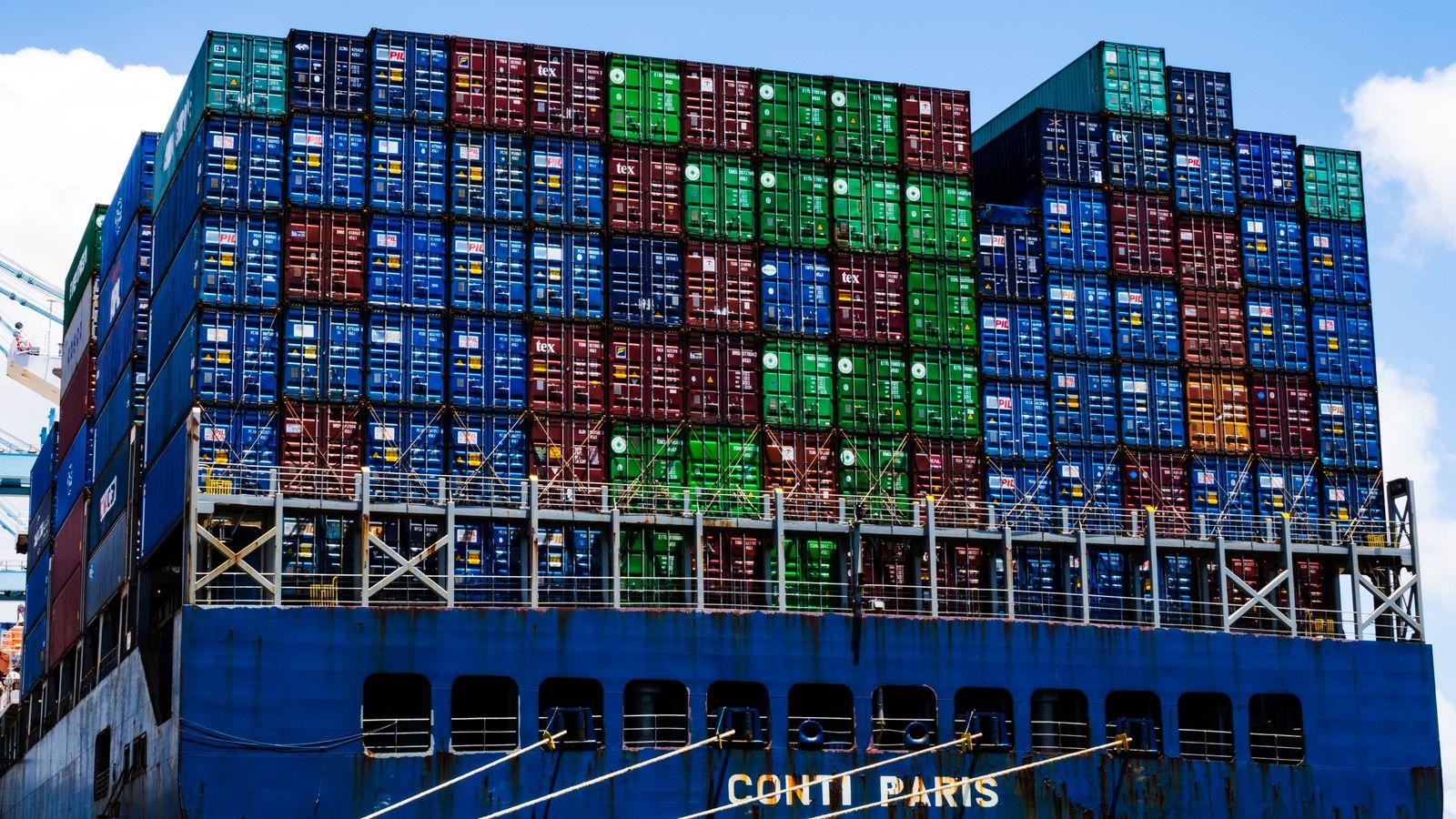
The Court of International Trade ruled on March 4 that all importers of record who paid tariffs under the emergency-powers statute are entitled to the benefit of the Supreme Court's February decision invalidating them, and directed Customs and Border Protection to process entries accordingly.
The order tells CBP to liquidate unliquidated entries without the invalidated duties and to reliquidate entries that have been liquidated but are not yet final. It does not resolve the treatment of entries where liquidation has become final — the category where the most money and the hardest legal questions sit.
The government has signaled that it will challenge the order.
Why "liquidation" is the whole fight
Liquidation is the customs term for the final computation of duties owed on an entry. Once an entry liquidates and the period for challenge expires, the calculation becomes final and, ordinarily, unreviewable.
Because the tariffs at issue ran for the better part of a year, importers' entries are scattered across every stage of that process. An importer who filed protests as it went has preserved rights that an importer who paid without objection may not have.
That is why customs brokers spent the week after the Supreme Court ruling filing protective claims, and why the practical value of the decision varies enormously between two companies that paid identical amounts.
The mechanics of getting paid
Refunds will be issued electronically through the automated commercial environment, to the importer of record or to a party designated on the applicable form. Paper checks are no longer issued.
For companies whose customs brokers have changed, or whose corporate entity has been reorganized since the entries were filed, matching the refund to the right recipient is a genuine administrative problem.
The fiscal side
Estimates of the total refund exposure run as high as $175 billion against roughly $160 billion collected. That is a meaningful number for a Treasury already borrowing heavily, and it is one reason long-term yields have risen this year.
What importers should do
Trade counsel have converged on the same advice: reconstruct the entry history, determine which entries remain open, file protests where the window is still available, and document the chain of payment. The refunds will follow the paperwork, and the paperwork was mostly created two years ago by people who did not know it would matter.