The Tariff Refund That Companies Cannot Book
Importers are carrying potentially enormous receivables from invalidated duties, but auditors are reluctant to let them be recognized while the government's appeal is pending.
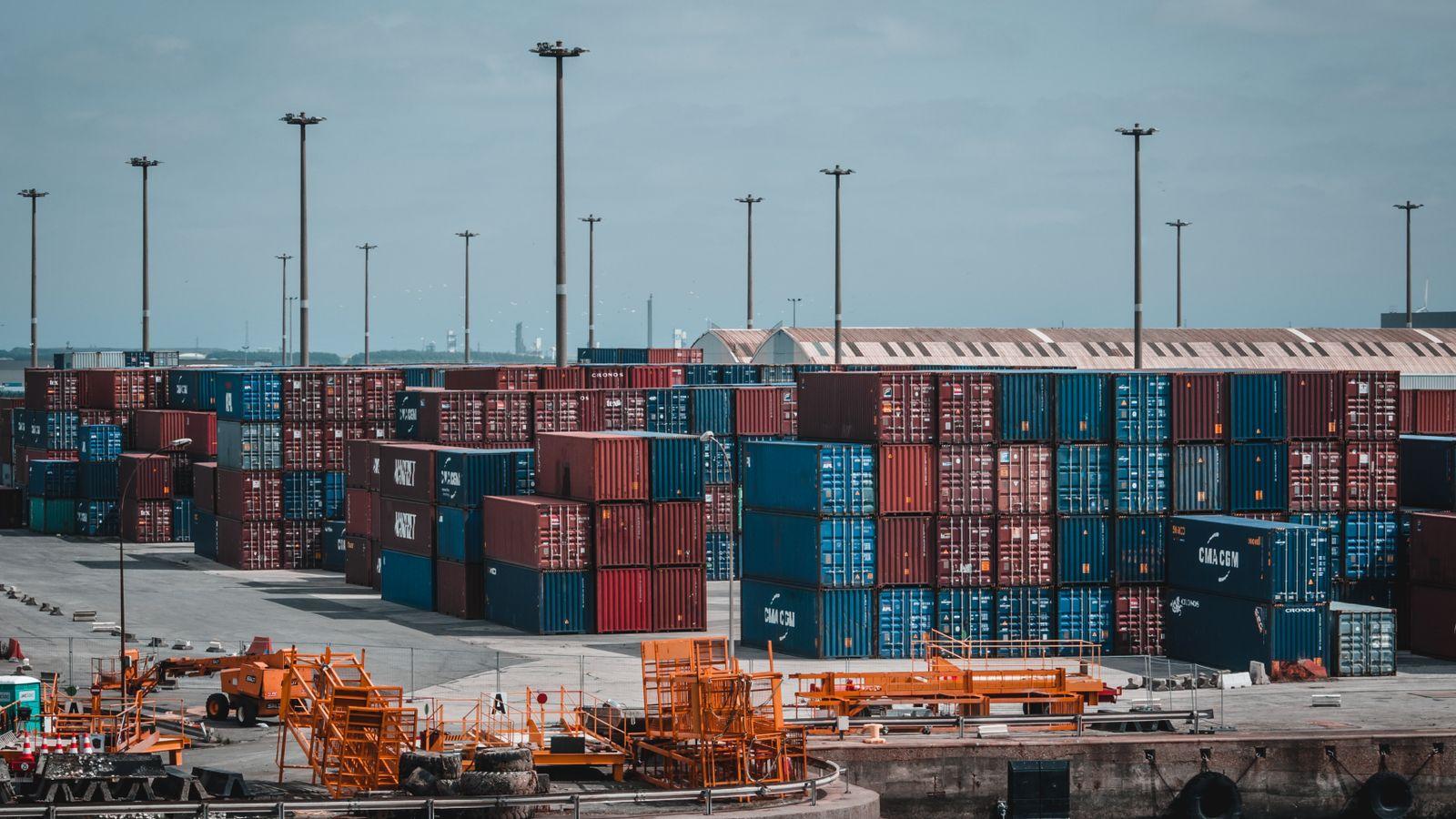
For companies that imported heavily during the year the emergency-powers tariffs were in force, the Supreme Court's February ruling created an asset. Their accountants are having a difficult time letting them show it.
The accounting question is whether a refund claim is probable enough and measurable enough to recognize. The legal picture makes both tests hard to satisfy: a trade court order directing refunds, a government appeal in progress, and an unresolved question about entries whose liquidation has become final.
Three buckets
Practitioners have converged on a rough taxonomy.
Open entries — not yet liquidated, or liquidated but still within the challenge window — carry the strongest claim. The court's order addresses them directly.
Protested entries — where the importer filed a protest preserving its rights — sit close behind, though the timing depends on how CBP works through the backlog.
Final entries, where liquidation became final without objection, are the hard case. The court did not decide their treatment.
Why disclosure varies so much
Comparing quarterly filings across importers this spring reveals wildly different approaches. Some disclose a range. Some describe the matter qualitatively without a number. A few have recognized receivables where their entries fall clearly into the first bucket.
The differences reflect auditor judgment more than differences in underlying facts, which makes cross-company comparison nearly impossible for investors.
The operational cost
Beyond the accounting, the refund process consumes real resources. Reconstructing entry-level records across a year of imports, matching them to payments, identifying which broker filed what, and determining the correct recipient of an electronic refund is months of work for a trade compliance team that is simultaneously implementing a third tariff regime in five months.
The strategic question
Several companies have said publicly that they are not counting on the money. That is prudent as accounting and revealing as commentary: the most sophisticated importers in the country regard a favorable Supreme Court ruling on $160 billion of collected duties as insufficient grounds to plan on receiving anything.