SpaceX Absorbs xAI in a $1.25 Trillion All-Stock Combination
The all-stock merger of Elon Musk's rocket company and his artificial intelligence startup created the most valuable private company ever assembled, with a stated ambition of building data centers in space.
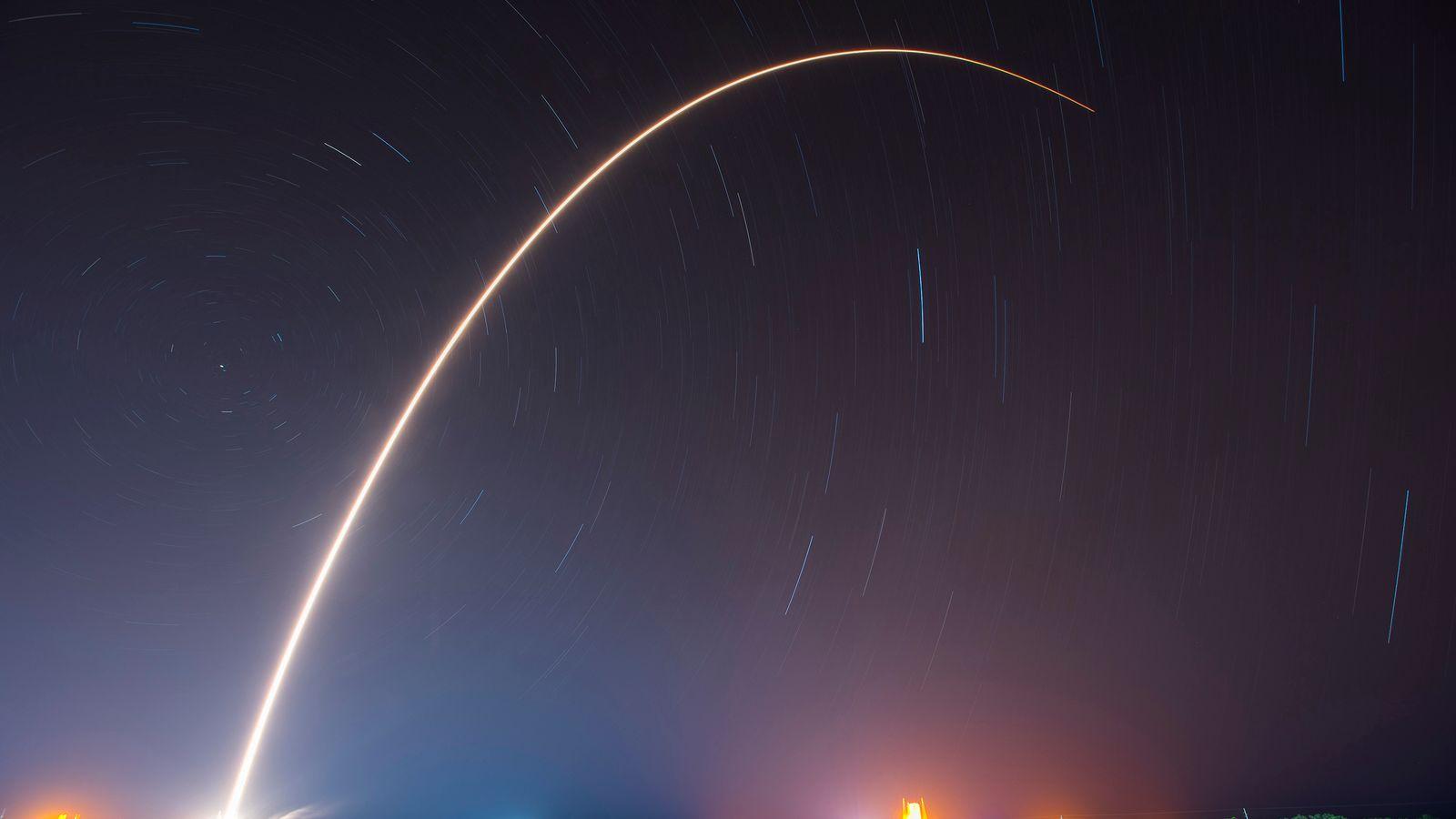
SpaceX has acquired xAI in an all-stock transaction that values the combined company at roughly $1.25 trillion — about $1 trillion for the rocket and satellite business and $250 billion for the artificial intelligence developer — in what is by a wide margin the largest private merger ever completed.
Investors in xAI receive shares of SpaceX at a fixed exchange ratio, with some executives able to take cash at a set price per share instead.
The stated logic
The rationale offered to employees centers on computing infrastructure placed in orbit. The argument runs that power and cooling are becoming the binding constraints on terrestrial data centers — a claim supported by the interconnection queues and record electricity prices now visible across American utility markets — and that a company which already manufactures and launches satellites at scale is unusually positioned to test an alternative.
Whether that is a serious engineering program or a framing device for a corporate reorganization is a question the merger does not answer. The nearer-term logic is more prosaic: shared engineering talent, shared capital, and a single balance sheet capable of funding both.
Why an all-stock deal
Combining two companies controlled by the same person through a share exchange avoids the need to raise cash, avoids a valuation negotiated with outside buyers, and consolidates ownership ahead of any public listing.
The structure also means the valuations attached to each side are assertions rather than prices set in a market — a distinction that matters when the combined figure exceeds the market capitalization of all but a handful of public companies.
What it means for the AI landscape
The transaction removes one of the largest independent AI developers from the field of companies raising money from outside investors. That has consequences for the private funding market, where valuations for AI developers have been rising at a pace that has drawn comparisons to previous technology cycles.
It also concentrates an unusual set of assets — launch, satellite communications, frontier AI models and a large defense contracting relationship — inside a single privately held company whose eventual public listing has been the most anticipated event on Wall Street's calendar for a year.