The Longest Shutdown in History Ends After 43 Days
Congress cleared a funding package by 68-32 in the Senate and 222-209 in the House, reopening the government and setting up another deadline at the end of January.
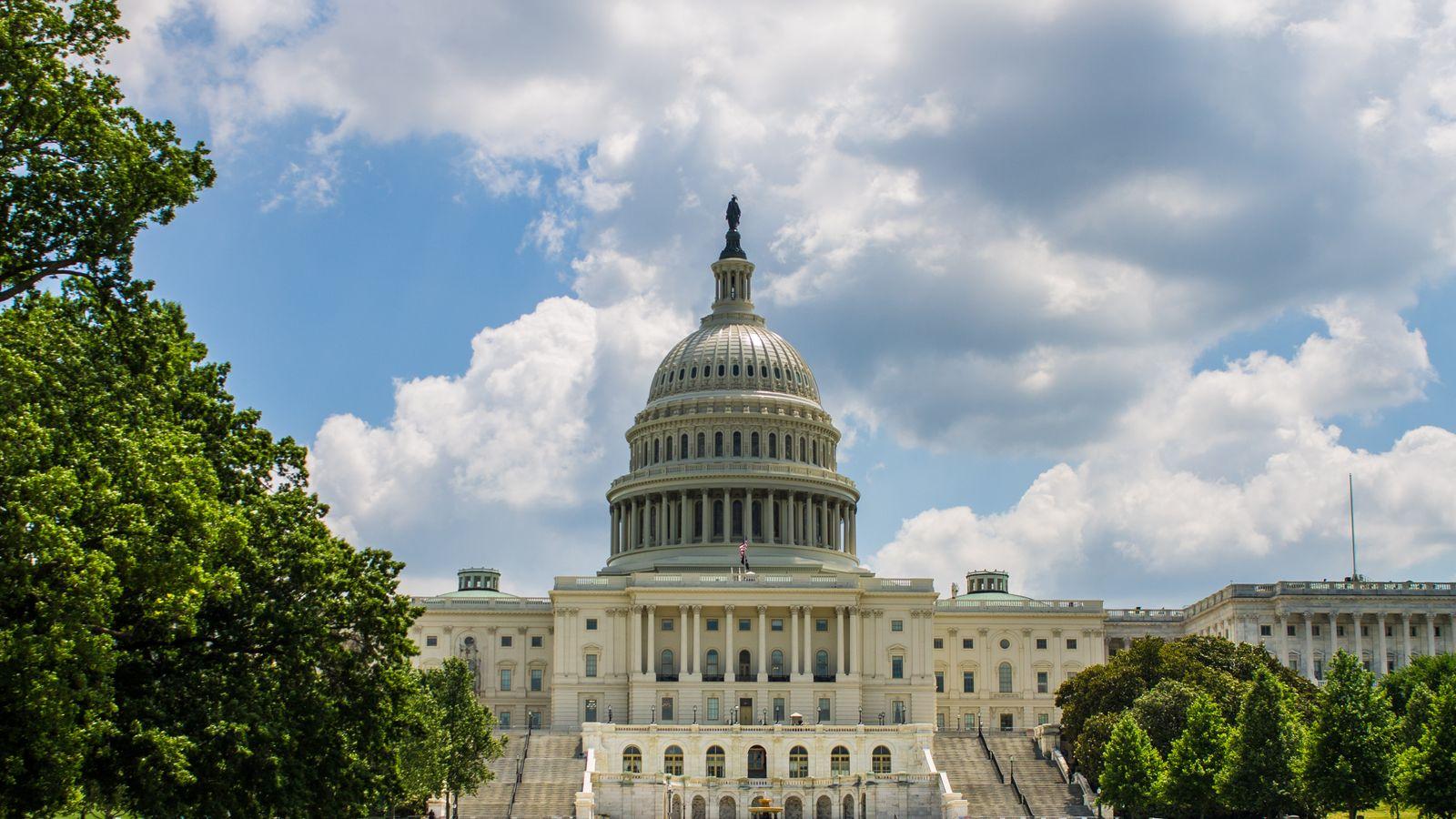
WASHINGTON — The federal government reopened this week after a 43-day shutdown, the longest in American history, ending a standoff that furloughed hundreds of thousands of workers, forced others to work without pay, and left the country's economic statistics in disarray.
The Senate approved the funding package 68-32 and the House followed 222-209 before the president signed it. The shutdown had begun on October 1 and passed the previous record of 35 days on November 5.
What the deal does
The package provides full-year appropriations for three areas — Agriculture, Military Construction and Veterans Affairs, and the Legislative Branch — and extends funding for everything else to January 30. That structure guarantees another confrontation in the winter, with a narrower set of bills still unresolved.
The economic damage
Shutdown costs come in two forms. The direct cost is the lost output of paused federal activity, much of which returns when workers are paid retroactively. The indirect cost is harder to recover: contracts not signed, permits not issued, small businesses that missed a loan approval window, and travel that never happened.
The most durable damage this time may be informational. The Bureau of Labor Statistics and the Bureau of Economic Analysis stopped collecting and publishing data for six weeks. Surveys that depend on being conducted during a specific reference week cannot simply be run later, and the gaps ripple through seasonal adjustment for months.
A Fed flying partly blind
The timing was awkward for the Federal Reserve, which met in December with an incomplete picture of the labor market and inflation. The committee cut rates by a quarter point anyway, to a range of 3.50% to 3.75%, over three dissents.
Policymakers described the decision as a risk-management judgment made with less information than they would prefer — a phrase that would look considerably more consequential three months later, when an energy shock sent inflation back up.