The 100% Drug Tariff Takes Effect, With Exemptions for Companies That Build Here
A proclamation signed in April set a default rate of 100% on patented pharmaceutical imports, with sharply lower tiers for companies that commit to U.S. manufacturing or reach pricing agreements with the government.
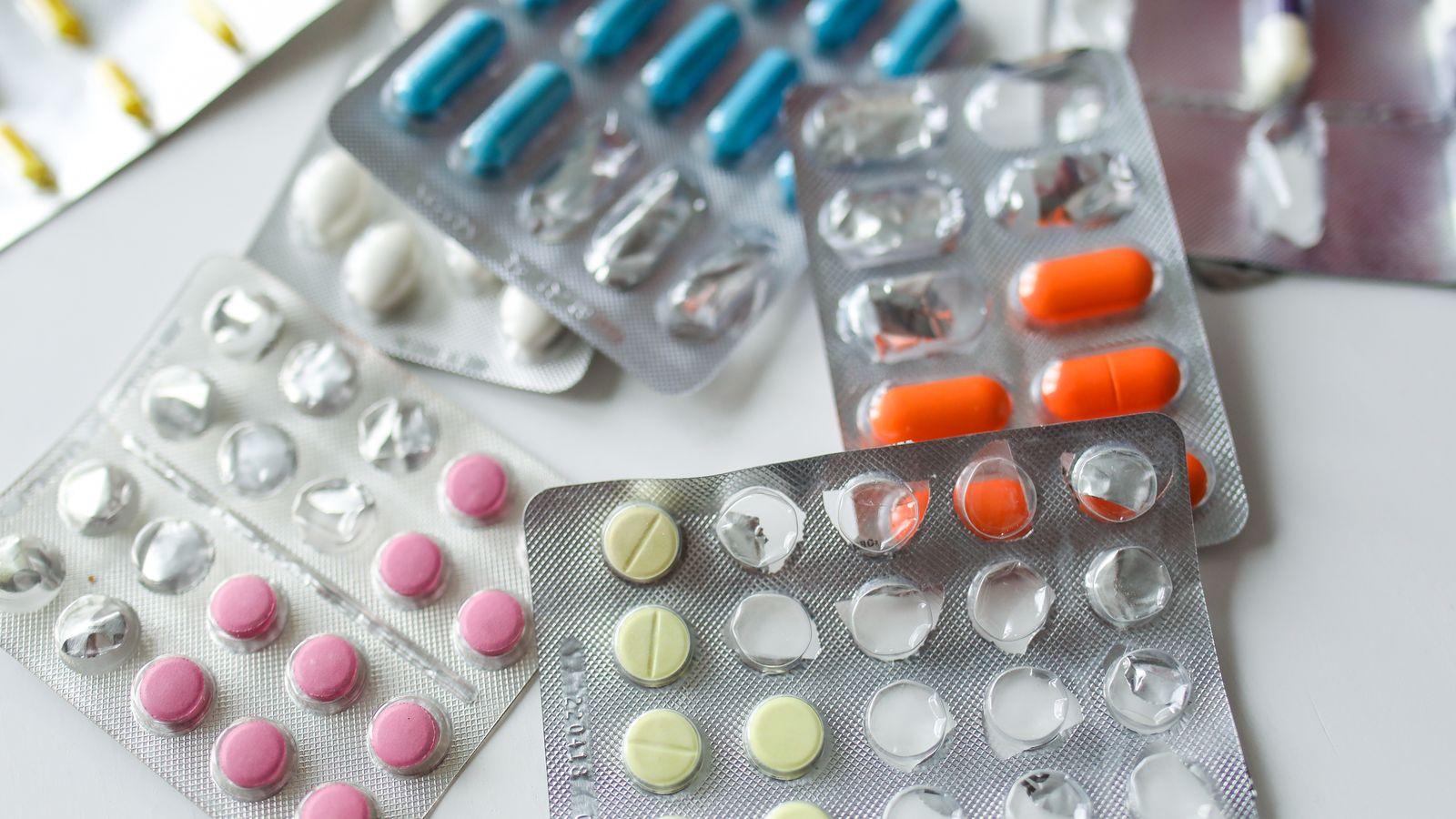
Tariffs on patented pharmaceutical imports and active pharmaceutical ingredients took effect this week for most companies, under a Section 232 proclamation signed in April that sets a default rate of 100%.
Very few companies will pay that rate. The structure is designed to be avoided: firms with approved onshoring plans face 20% for four years, products from the European Union, Japan, South Korea and Switzerland face 15%, and companies that reach pricing agreements with the Department of Health and Human Services face no tariff at all. A further group of companies has an implementation date in late September.
A tariff as a negotiating instrument
The design makes the policy's purpose explicit. The 100% headline rate is not a revenue measure; it is the penalty for declining to negotiate.
Two things are being negotiated. The first is manufacturing location — a long-running policy objective given how much of the world's supply of generic ingredients is produced in a small number of countries. The second is domestic drug pricing, where the zero-tariff tier is available to companies accepting most-favored-nation pricing arrangements.
What the industry has done
Manufacturers began announcing U.S. investment commitments in 2025, when the possibility of tariffs at this level was first raised, and the cumulative pledges now run into the hundreds of billions of dollars.
Whether those announcements represent new capacity or the relabeling of spending that was already planned is genuinely difficult to determine from outside. Facility construction takes years, and the announcements are typically framed over multi-year horizons that make verification difficult.
The cost question
Industry analyses argue that duties at these levels raise production costs by billions and the cost of imported finished medicines by tens of billions, and that money ultimately comes from somewhere: from list prices, from research budgets, or from margins.
The counterargument is that the exemption structure means very little product will actually enter at the headline rate, and that the pricing agreements available in exchange for a zero rate reduce costs to public payers by more than the tariffs add.
Why it matters beyond drugs
Section 232 tariffs rest on a national-security finding and survived the Supreme Court ruling that invalidated the emergency-powers duties in February. That makes them the most durable instrument in the current trade toolkit — and the pharmaceutical program is the clearest template yet for how it can be used to extract commitments rather than to raise revenue.