The Fastest Oil Spike in Four Decades Is Rewriting the Inflation Math
Crude surged roughly 66% in little more than a week after conflict disrupted traffic through the Strait of Hormuz, sending the national average for gasoline from under $3 to nearly $4 a gallon in a month.
The American inflation story that had been slowly resolving itself over two years was upended in the space of ten days.
After military strikes in the Middle East at the end of February, shipping through the Strait of Hormuz — the channel that carries roughly a fifth of the world's petroleum exports — was effectively closed. Crude prices rose about 66% in just over a week, from the mid-$60s to above $110 a barrel, the fastest spike in more than 40 years.
From the tanker to the pump
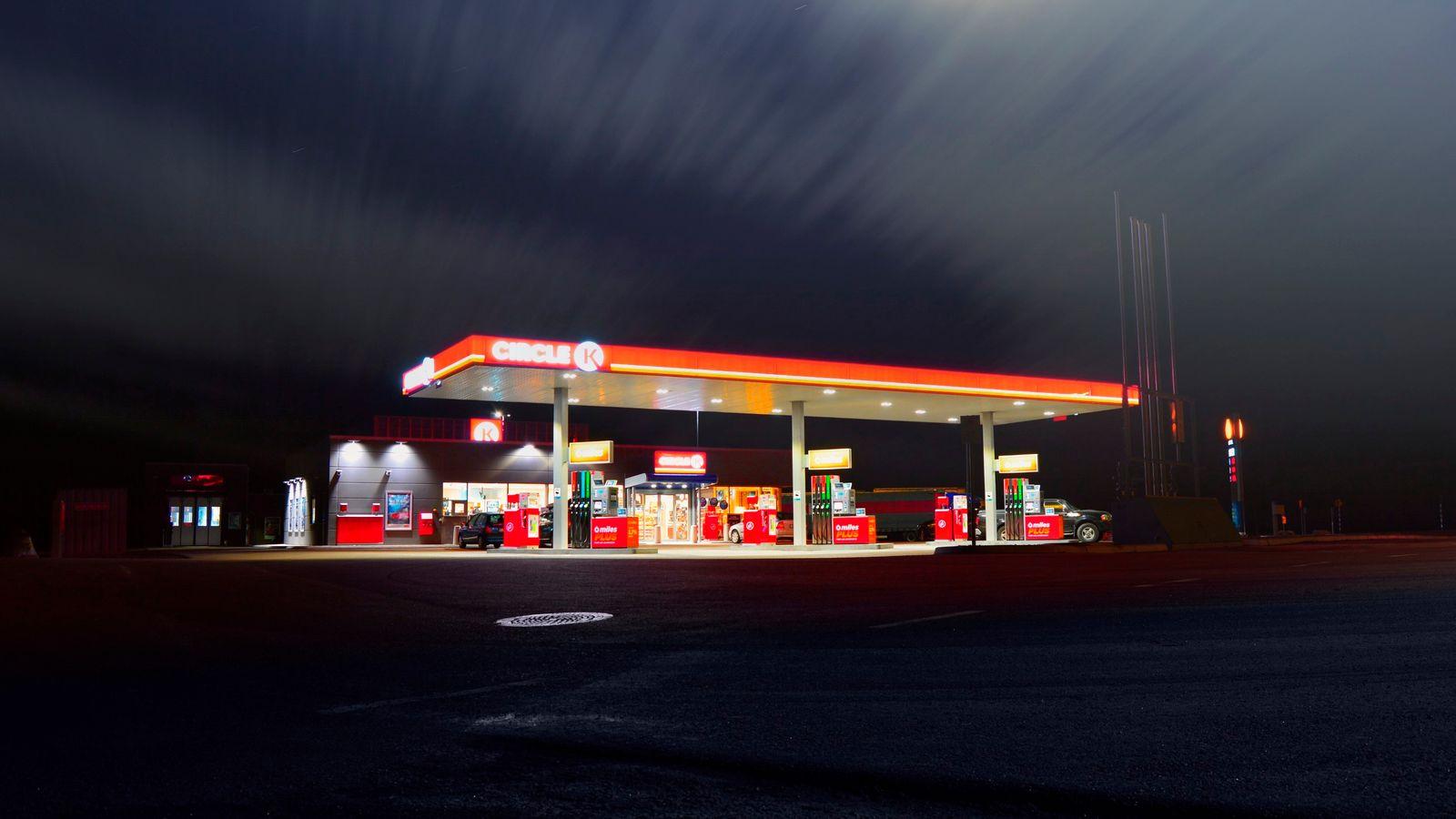
The pass-through was quick. The national average price of regular gasoline climbed from $2.98 in late February to $3.98 by mid-March. Diesel, which matters more for freight costs than for household budgets, rose faster still.
Energy shocks travel through the economy in stages. Fuel prices move within days. Airfares, delivery surcharges and food prices follow over weeks. Utility bills adjust over months, and in some regulated markets over quarters.
Why this one lands differently
Two features make the 2026 shock harder to absorb than earlier episodes.
The first is the starting point. Inflation had not fully returned to target before the shock hit; the Federal Reserve was still describing the last mile as unfinished work. A supply shock that lands on top of an incomplete disinflation risks resetting expectations rather than producing a one-off jump.
The second is electricity. Retail power prices were already climbing at their fastest pace in years, driven by data-center demand growth that utilities did not plan for a decade ago. Households are now absorbing higher fuel and higher power costs simultaneously.
The policy problem
Central banks have a standard playbook for supply shocks: look through them, because raising rates does not produce oil. The playbook assumes inflation expectations stay anchored, and it assumes the shock is temporary.
Neither assumption is safe to make casually in an economy where prices have run above target for five straight years. That is why the argument inside the Fed this spring has been less about the forecast than about the risk of being wrong — and why three regional bank presidents would eventually dissent in favor of raising rates into a slowing economy.