Boeing's Deliveries Are the Highest Since 2018, and the FAA Has Loosened Its Grip
Second-quarter deliveries rose 14% to 171 aircraft, the backlog stands near $695 billion, and regulators restored the company's authority to issue final airworthiness certificates in July.
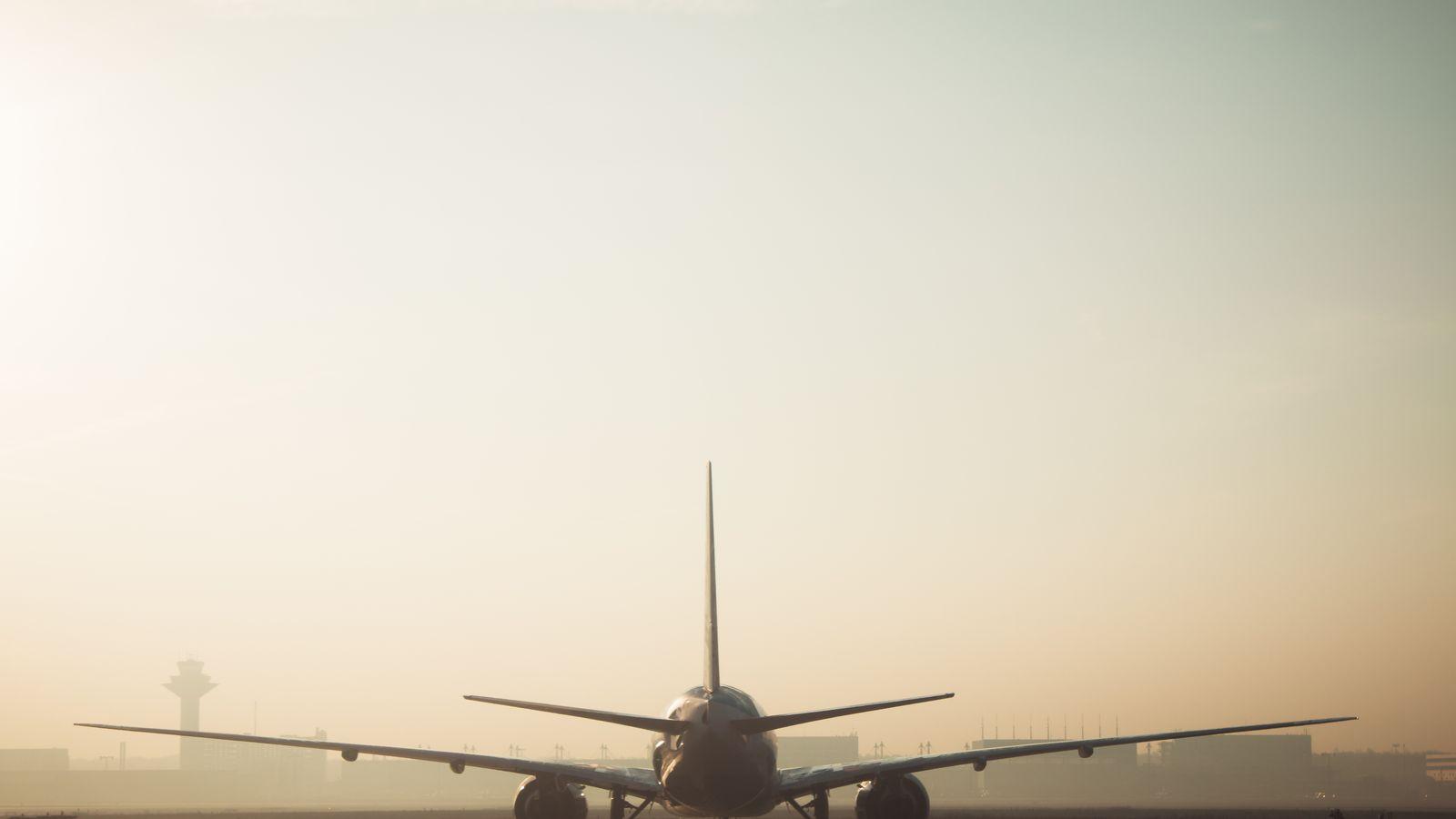
Boeing delivered 171 commercial aircraft in the second quarter, a 14% increase from a year earlier, following 143 in the first quarter. Combined with a comparable ramp at its European competitor, first-half industry deliveries reached their highest level since 2018.
Revenue rose about 8% to roughly $24.56 billion in the quarter, and free cash flow turned positive, though the company still recorded a net loss of about $428 million.
The regulatory milestone
The most consequential development was administrative. Effective July 20, the Federal Aviation Administration restored the company's authority to issue final airworthiness certificates for newly built 737 MAX and 787 aircraft.
That authority had been held by the regulator itself since the quality escapes of recent years, and its absence functioned as a throughput limit: every finished aircraft waited for a government inspector. Returning the function to the manufacturer removes a bottleneck between the end of the production line and the customer's balance sheet — which is where deliveries convert into cash.
The backlog, and its meaning
The order book stands near $695 billion, covering more than 6,100 commercial aircraft. At current production rates that represents years of work, and it is the reason the company's recovery has always been a manufacturing problem rather than a demand problem.
The risk in a backlog that large is composition. Orders placed years ago at prices negotiated in a different cost environment must be delivered at today's costs, in an inflationary period that has raised the price of materials, labor and energy.
The demand question
Air travel growth has slowed this year. Elevated fuel prices following the disruption of Middle East oil flows and the broader consumer pullback have both weighed on traffic, and the company trimmed its expected growth rate in its long-term forecast while maintaining its projection that airlines will need more than 43,000 additional aircraft over twenty years.
For a manufacturer with a multi-year backlog, near-term demand matters less than execution. The question that has defined this company for seven years remains whether it can build aircraft on schedule and to specification — and the past two quarters are the strongest evidence in some time that it can.