Inflation Hit 3.8% in April, the Hottest Reading in Nearly Three Years
Gasoline prices up more than a quarter from a year earlier drove the headline index to its highest annual rate since May 2023, and core prices picked up too.
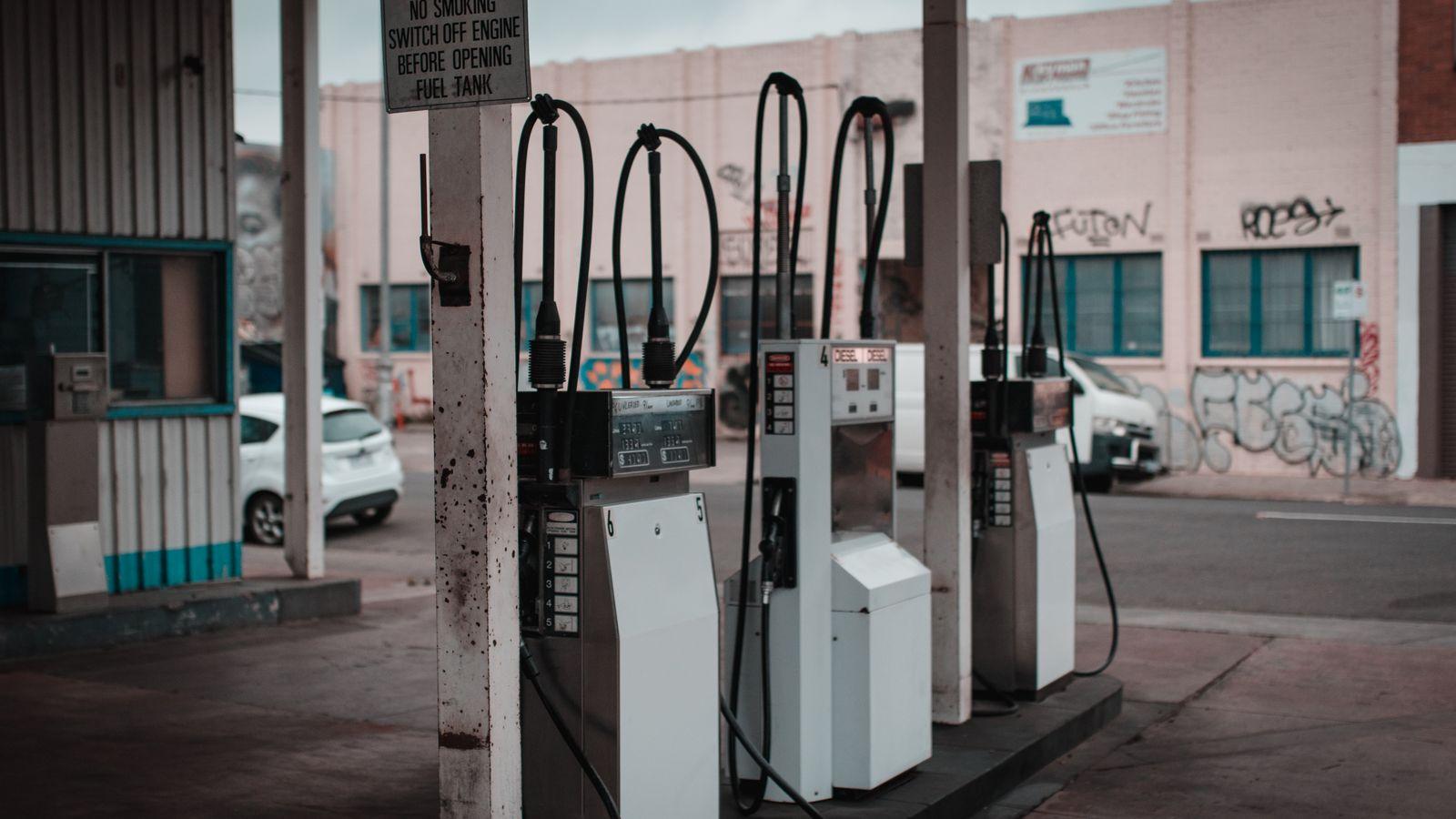
WASHINGTON — Consumer prices rose 3.8% in the year through April, the fastest annual pace since May 2023, as the energy shock that began in late February worked its way fully into household budgets.
Gasoline was the single largest contributor, up roughly 28% from a year earlier. Core prices — which strip out food and energy and are meant to capture the underlying trend — also accelerated, a signal that higher fuel and freight costs were beginning to show up in the price of goods that have nothing to do with oil.
The second-round problem
Economists distinguish between the first-round effects of an energy shock, which are mechanical, and second-round effects, which are behavioral. The first shows up at the pump. The second shows up when a delivery company raises its rates, a restaurant reprints its menu, or a union bargains for a cost-of-living clause.
April was the month the second-round effects became visible in the data. Airline fares, delivery services and food away from home all firmed.
What it did to the rate debate
The report effectively closed the door on further rate cuts in the first half of the year. Markets that had entered 2026 pricing one reduction moved to pricing none, and by summer some were pricing increases.
It also arrived in the middle of a leadership transition at the Federal Reserve, with Kevin Warsh's nomination moving through the Senate. The incoming chair inherited an inflation rate accelerating away from target rather than converging on it.
The path since
April proved to be the peak. Crude prices eased from their March highs as shipping found workarounds, and by July the annual inflation rate had come back down to 3.4%. But the level of prices does not fall when the rate of increase does. Households that paid roughly a quarter more for fuel in the spring are still paying substantially more than they did in 2025 — a distinction that shows up in every consumer sentiment survey taken since.